What Should You Look for in an Executive Desk That Actually Works All Day?
If you spend your day juggling meetings, calls, files, and deep-focus work, the desk quietly becomes your command center. Executive desks are more than oversized furniture—they blend work surface, storage, and presentation in one setup. Today’s office furniture trends, even in Indianapolis, Indiana, lean toward cleaner lines, better cable management, and flexible layouts. In this guide, we’ll compare desks, chairs, tables, seating, reception pieces, and storage. What actually makes one executive desk worth the investment?
What Makes an Executive Desk Feel Premium?
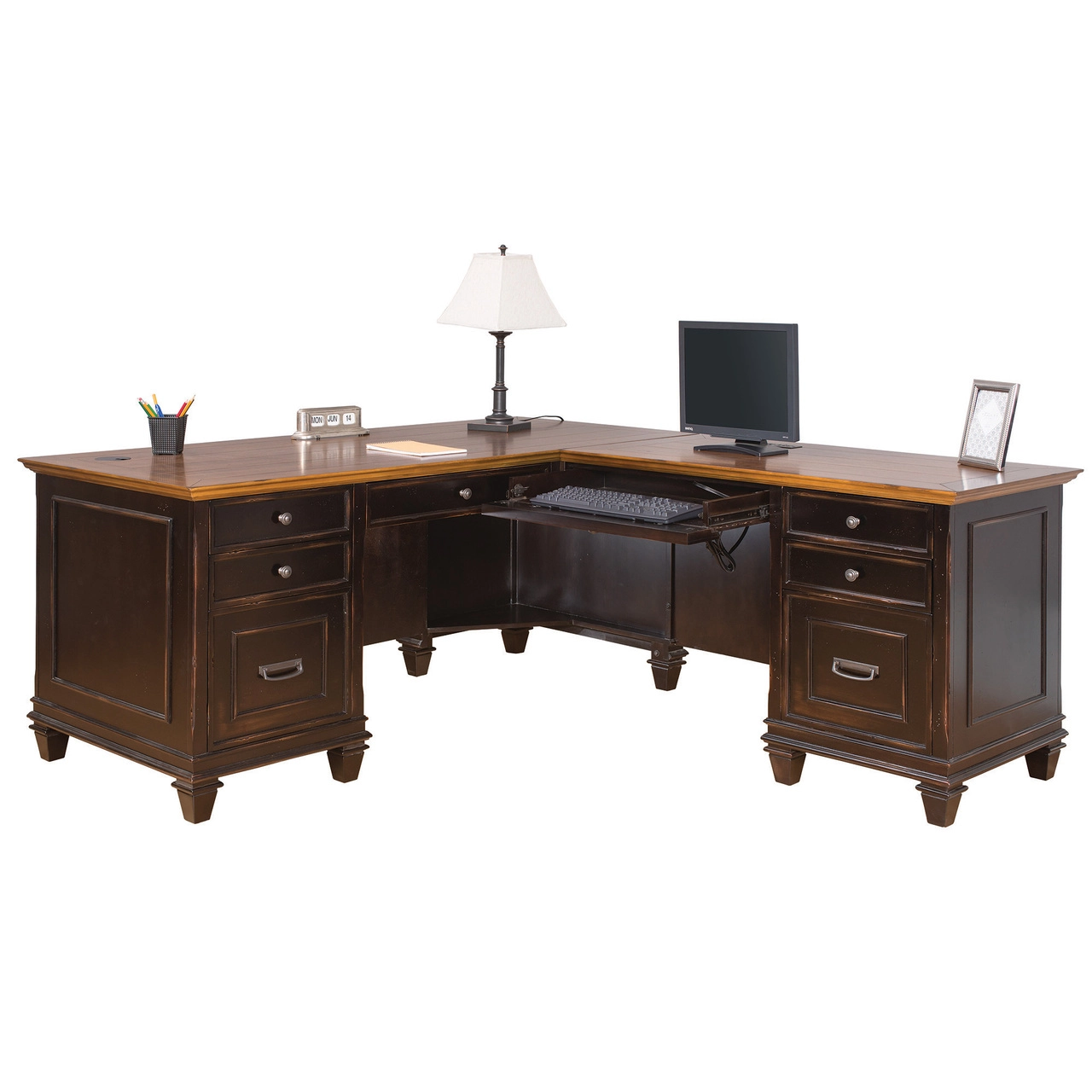
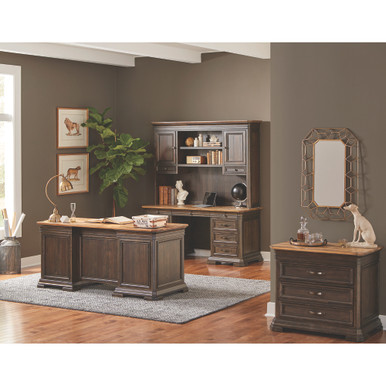
When you first walk up to an executive desk, the premium feel usually comes from the basics done well: surface size, pedestal storage, material quality, finish, and layout. A larger worktop gives you room for a monitor, notebook, and the random stack of papers that seems to appear by lunch. Integrated drawers, modesty panels, and return surfaces add structure without making the desk feel heavy.
Laminate, veneer, and wood-look finishes each have their place. Laminate is often the easiest to clean and usually offers the best scratch resistance for the money. Veneer can look richer, while solid wood brings warmth but may need more care and a bigger budget. In my experience, the best desk isn’t always the most expensive one—it’s the one that supports daily workflow without constant fuss. That means thinking about cable routing, drawer placement, and whether the desk coordinates with chairs, tables, and nearby storage. If the pieces fight each other visually or physically, the whole office feels less organized. A good executive desk should feel like part of a system, not a solo act. That’s where browsing a focused executive desk category helps.Why Function Usually Beats Flash
A showroom-worthy executive desk is nice, sure, but the real question is whether it makes work easier. That’s where function usually wins. A smart desk improves organization, gives you more usable surface area, and helps support better posture when paired with the right chair. It also creates a cleaner client-facing impression, which matters more than people admit.
Premium finishes can be tempting, but they’re not always the best value. For a busy office, a durable laminate desk may outperform a glossy high-end surface because it handles daily wear, quick cleanups, and constant use with less drama. I’ve seen managers running budgets, administrators handling reception calls, and hybrid workers toggling between laptops and paper files all benefit from a sturdy executive desk that just works. Storage matters too. Drawers, pedestals, and modesty panels keep the room from feeling cluttered, especially in smaller offices or shared spaces. That said, style still matters… a little. The best offices usually balance utility with a polished look. If you’re comparing options, it helps to think about how the desk fits into the broader setup discussed in this office furniture planning guide.Where Executive Desks Fit in Real Offices
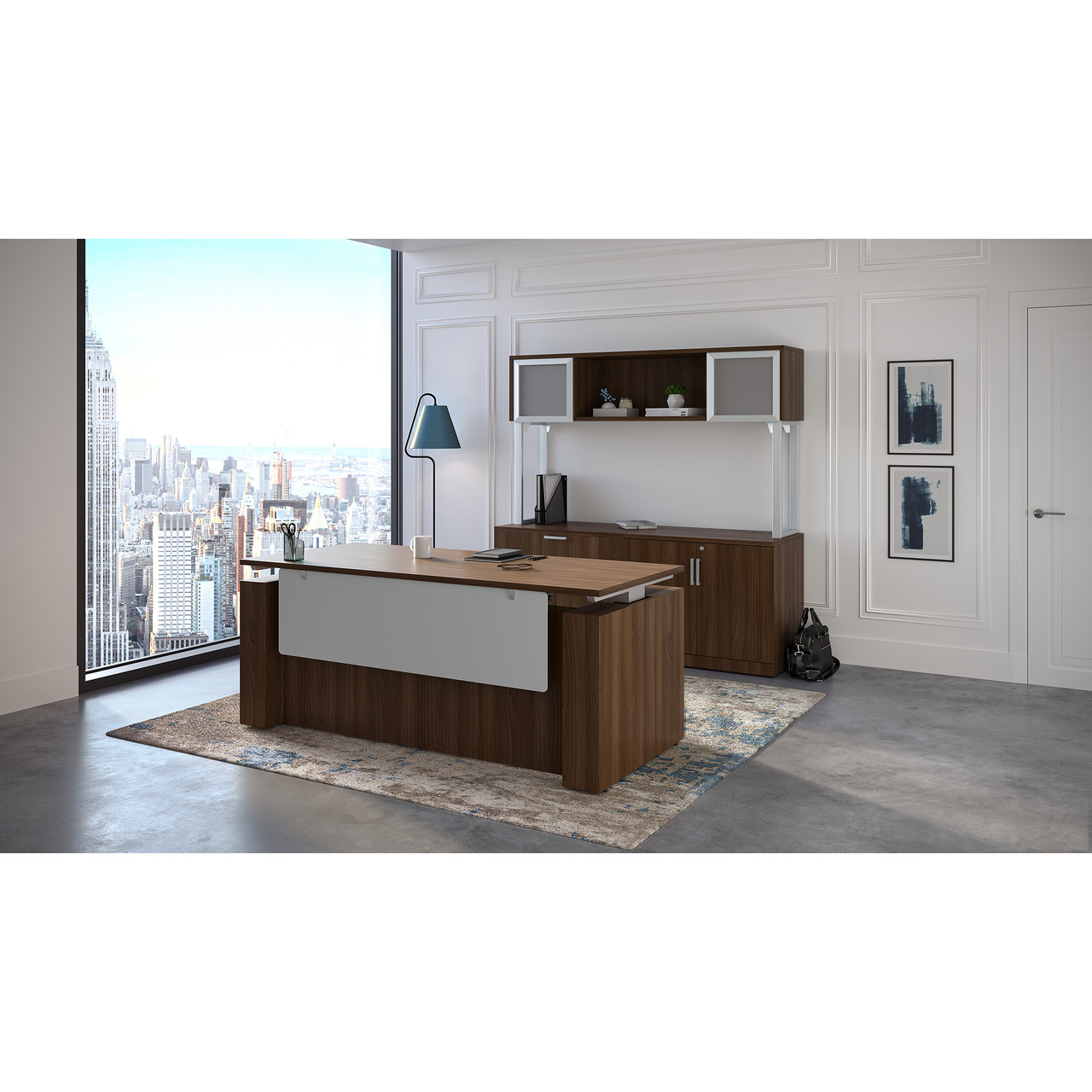
Executive desks shine in private offices, leadership suites, client-facing spaces, and multipurpose work zones. You’ll see them in law firms, real estate offices, growing startups, and professional service businesses that need a polished but practical setup. In those settings, the desk often anchors the room the way a good server rack anchors an IT closet—it defines the workflow and sets the tone.
The right executive desk also needs to coordinate with reception areas, seating, storage cabinets, and conference tables so the whole space feels intentional. Current trends lean toward modular furniture, reversible returns, and flexible office layouts that can adapt as teams grow or space gets reconfigured. That flexibility is a big deal when hiring picks up or a seasonal office refresh rolls around. From what I’ve seen, timing can affect both budget and availability, so planning a purchase before a renovation or new hiring cycle is usually smarter than waiting until the last minute. If your project includes broader layout choices, a category page for coordinated office solutions can make the selection process much easier. The desk is important, but it should still fit into the room’s bigger ecosystem.How to Choose the Right Size and Layout
Start with the room, not the catalog photo. Measure the office, map traffic flow, and decide how much surface area the user actually needs. A desk that looks great online can feel awkward in person if it blocks a doorway or swallows the room.
1) Measure the room. 2) Account for seating and storage. 3) Check monitor and equipment placement. 4) Confirm drawer and cable access. 5) Compare finishes and maintenance needs. That checklist sounds simple, but it saves a lot of regret. Left- or right-handed return placement matters more than people think, especially for daily filing or dual-monitor work. Clearance for chair movement and guest seating is another easy-to-miss detail. Common mistakes? Buying a desk that overwhelms the office, forgetting space for file cabinets, or ignoring the path people walk when they enter. My honest opinion: smaller, smarter layouts often outperform oversized desks. A quick win is taping the desk footprint on the floor before ordering. That one trick usually tells you more than any spec sheet. And if you’re comparing layouts with other office planning resources, the room almost always reveals the answer first.OfficeSource OS Laminate Collection vs. OfficeSource Artisan: Which Fits Better?
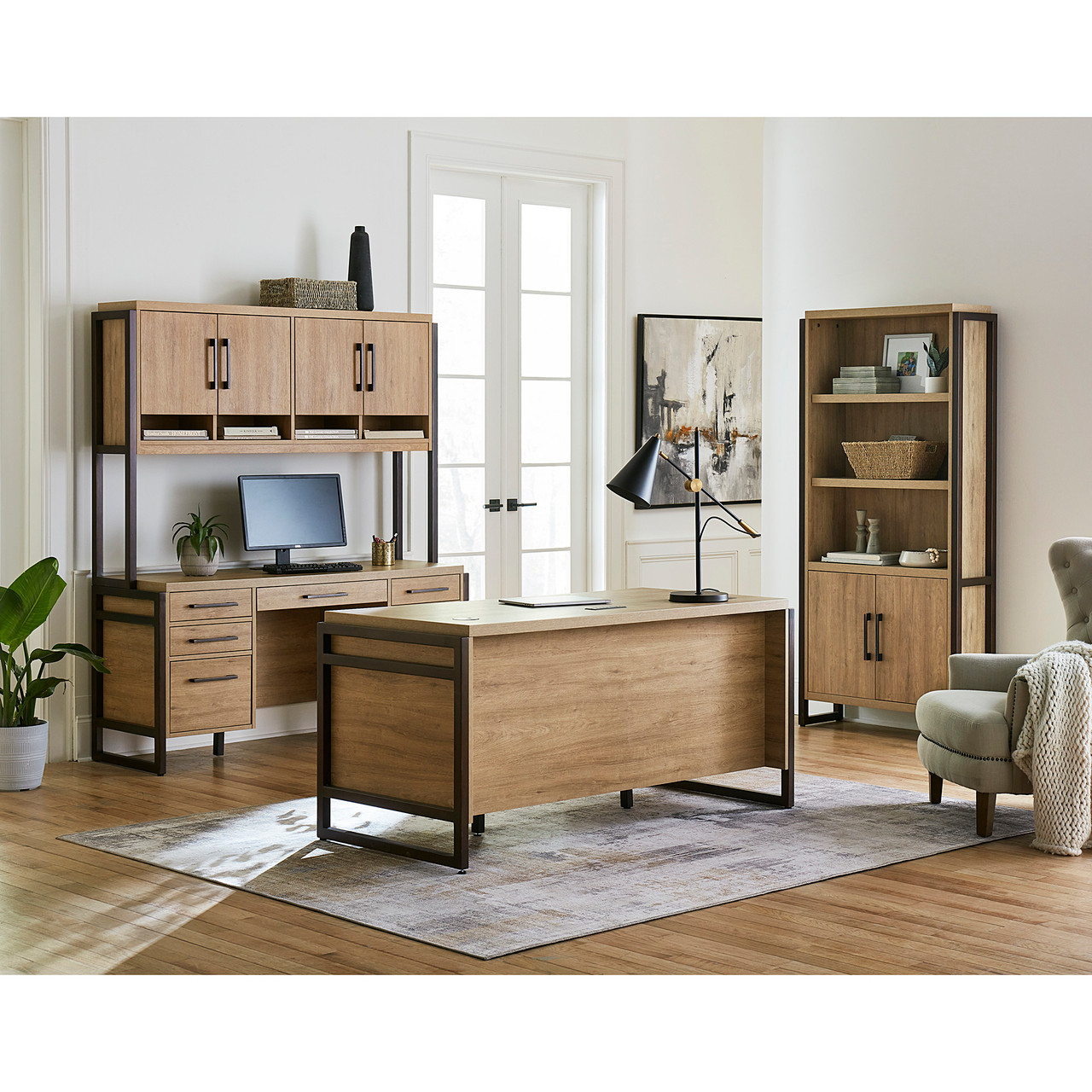
If you’re comparing the OfficeSource OS Laminate Collection Double Full Pedestal "L" Desk with the OfficeSource Artisan Executive Typical, the difference comes down to priorities. The OS Laminate model leans practical: durable laminate, a reversible return, and a finish that’s usually easier to maintain in busy offices. That makes it a strong fit for operations managers, administrators, and high-traffic workspaces where the desk gets used hard every day. The Artisan, on the other hand, feels more design-forward and executive in presentation. It’s the one I’d expect to see in leadership suites or polished private offices where visual impact matters as much as utility.
Both can work well, but they serve slightly different buyers. If you want flexibility, lower maintenance, and a straightforward workhorse, OS Laminate is probably the smarter call. If your goal is a richer first impression, Artisan has the edge. Budget, room size, and maintenance expectations should drive the final decision.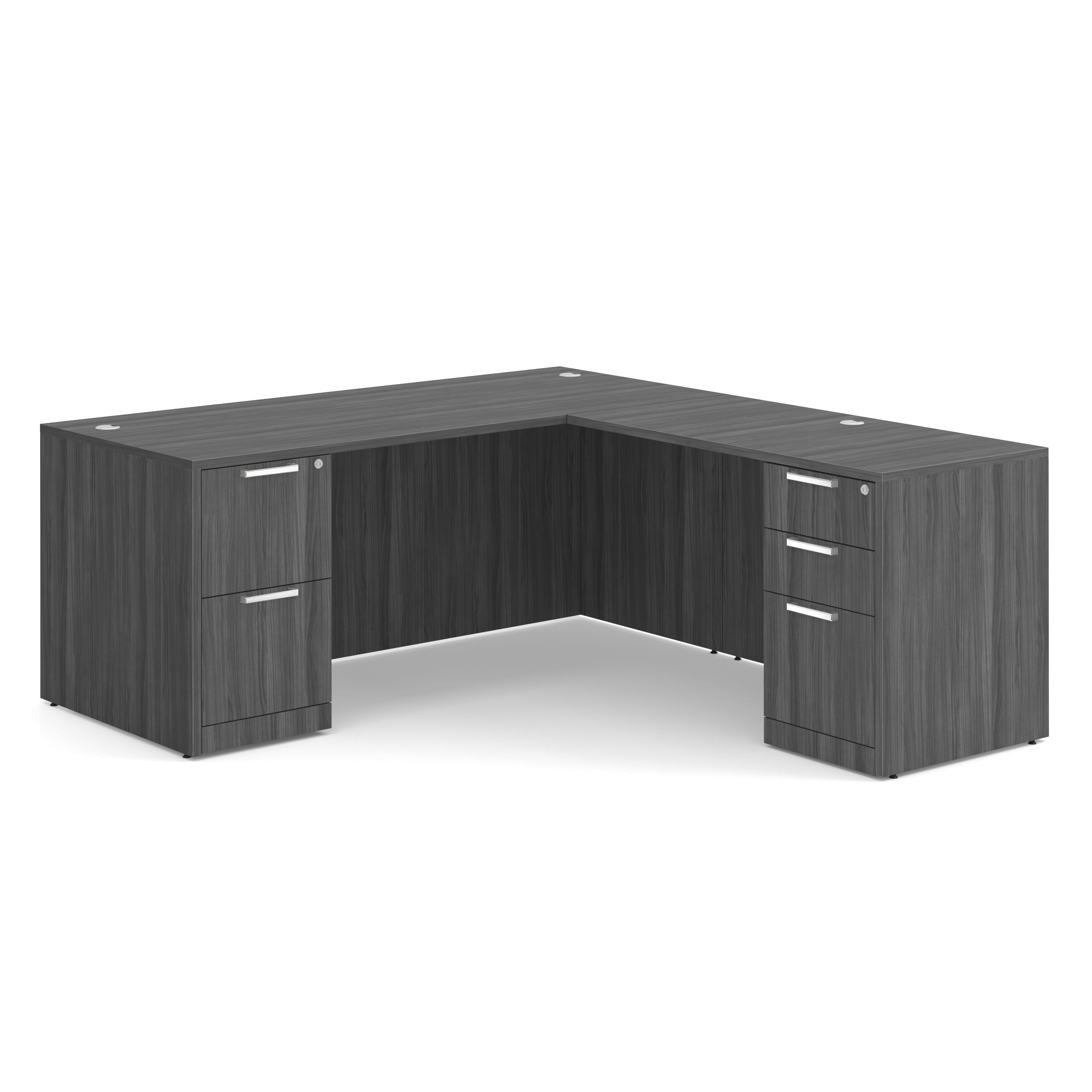
How to Set Up an Executive Desk the Smart Way
Start with placement. Position the executive desk so natural light helps without bouncing glare onto your monitor. Next, assemble and level the desk carefully; if the surface is even a little off, drawers can bind and the whole setup feels cheap. Place the return and pedestal storage where the workflow feels natural—paper in, paper out, done.
Then route power cords and data cables neatly so the worktop doesn’t turn into a nest of adapters and charging bricks. That little detail pays off every single day. Keep printers, docking stations, and file trays within easy reach, and pair the desk with supportive seating that fits under the return without a fight. If the office doubles as a meeting space, leave room for guests to pull up a chair. A quick troubleshooting note: if drawers stick, check the level first. If the chair won’t fit, recheck the clearance before blaming the desk. I’d also suggest reviewing dimensions and finish notes on the OfficeSource official website before buying, just to avoid surprises.Conclusion
At the end of the day, a good executive desk is doing three jobs at once: it’s a workflow tool, a presentation piece, and a long-term furniture investment. That’s why the best choice usually comes from balancing features, benefits, and real-world use—not just chasing the fanciest finish.
Whether you’re comparing options for a growing workplace, a refresh project, or a private office upgrade, the desk should fit the room, support daily habits, and coordinate with chairs, tables, reception areas, and storage. Premium doesn’t always mean practical, but cutting corners can get expensive later if the desk wears out or feels awkward to use. I’ve seen that happen more than once. So take a minute, measure the space, think through the tasks, and choose the desk that makes work feel easier, not harder. If you’re ready to compare styles, sizes, and finishes, start with the right executive desk category and plan for the future—especially if hybrid work or expansion is on the horizon.Frequently Asked Questions
Common questions about Executive Desks