Guest Seating for Offices: How Do You Choose Comfort, Style, and Durability That Actually Last?
Guest seating is usually the first thing clients, candidates, and partners notice when they step into an office. It does more than fill a corner; it supports first impressions, comfort, and room flow. In office planning, desks, chairs, tables, and storage all matter, but seating gets overlooked. If you're browsing OfficeSource’s official seating options, it helps to know what features matter most before you buy. For Indianapolis businesses, style, durability, and budget usually have to work together. Here’s how to compare, place, and choose well.
What Guest Seating Needs to Do in a Real Office
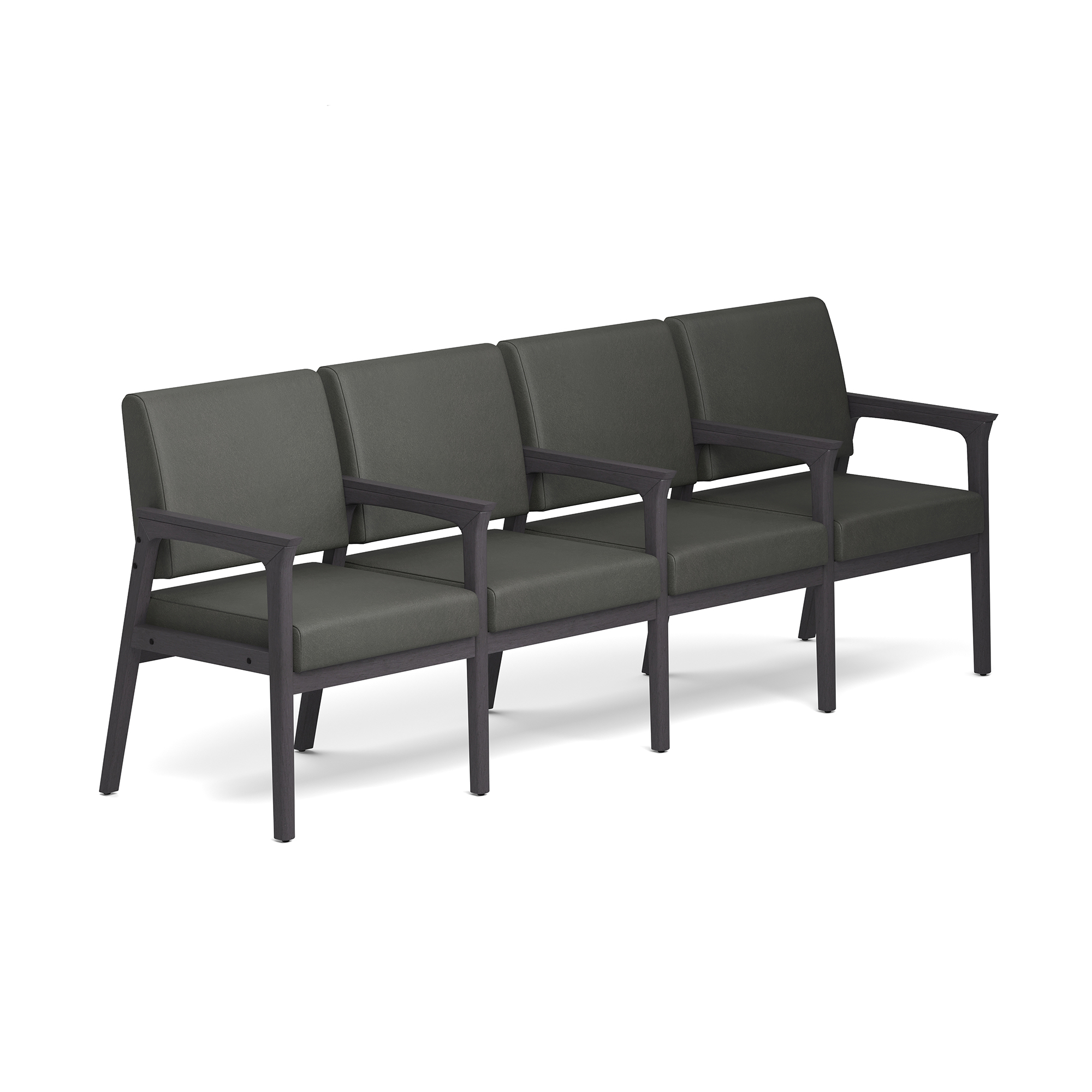
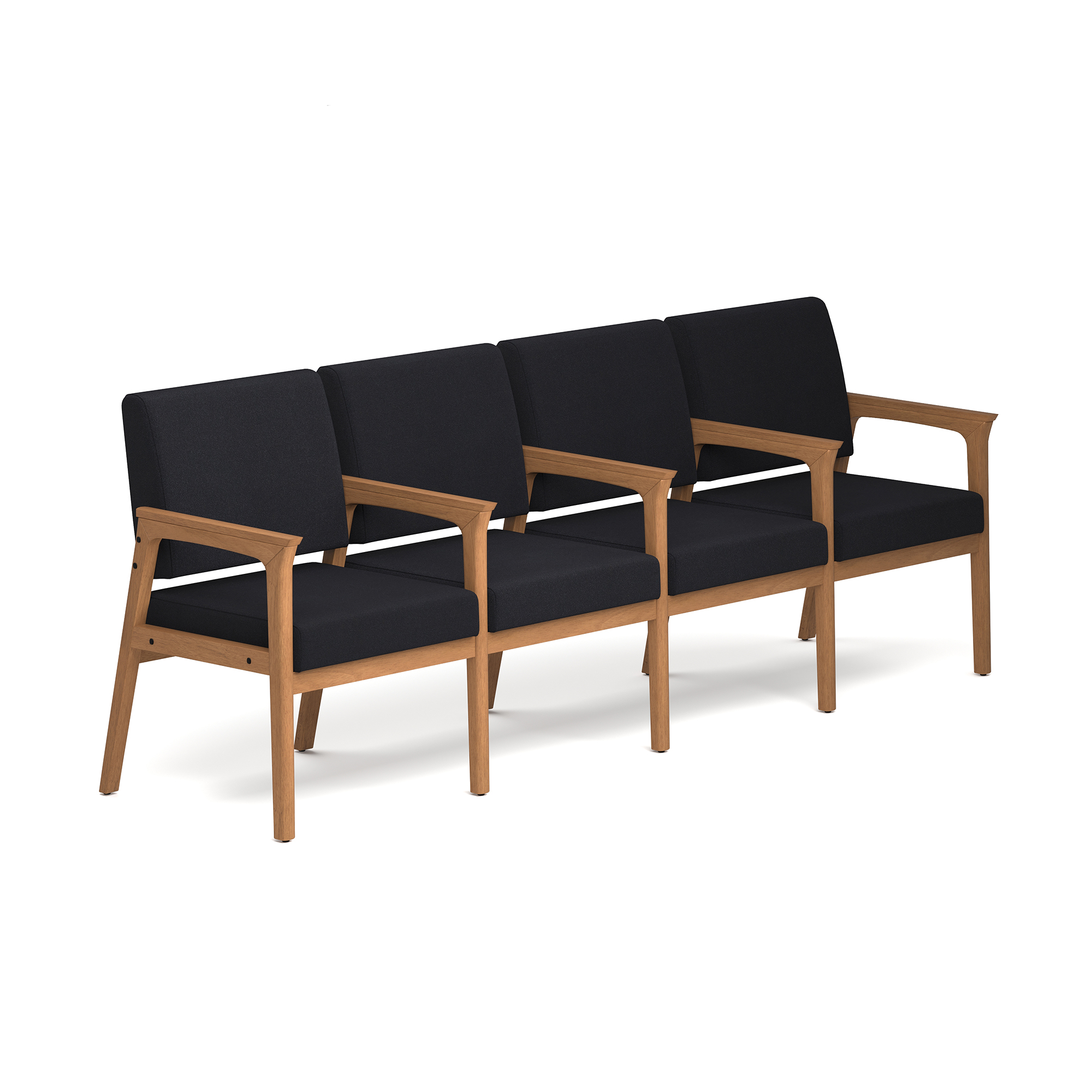
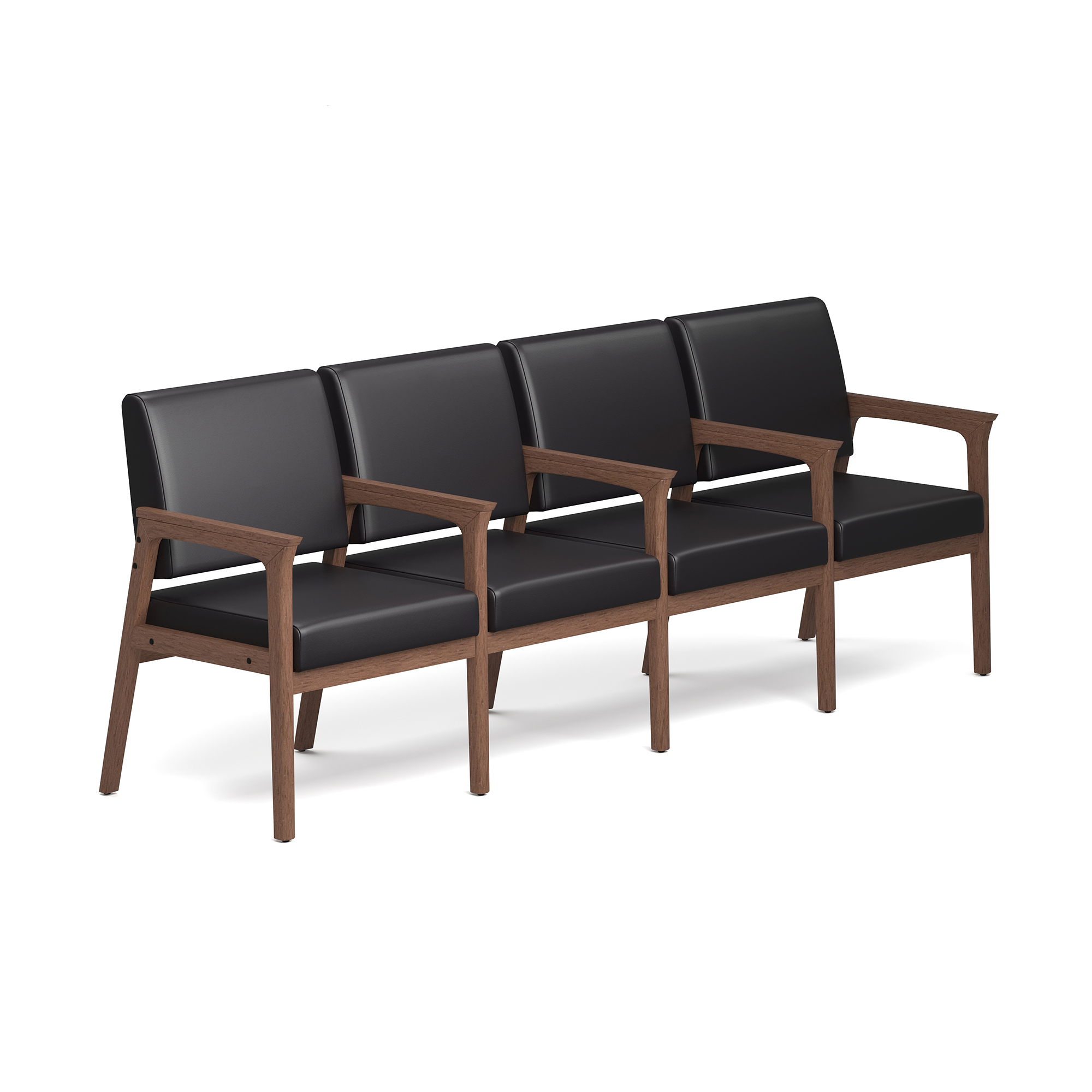
Guest seating has one main job: keep visitors comfortable without making the office look improvised. It should handle short-to-medium wait times, feel intentional, and still fit the room. Look for padded seats, sensible arm style, durable frames, clean upholstery, and a footprint that doesn’t bully the space. In guest seating categories, those details separate everyday winners from pieces that just photograph well.
In reception areas, waiting rooms, and collaborative zones, the chair has to survive frequent use and still look professional. I think of it like solid network hardware: you don’t want to think about it every day because it simply works. Material choice matters too. Vinyl and coated fabrics usually wipe down faster; tighter weaves can hide wear better; and sturdier cushions keep their shape longer in high-traffic offices. Common mistake? Buying for looks alone, then realizing the chair is too bulky, too shallow, or a pain to maintain. Premium options are nice, sure, but they’re not always worth the spend if traffic is light or the budget is tight. The best guest seating usually balances comfort, durability, and space efficiency without overcomplicating the setup.How Design, Arm Style, and Layout Change the Whole Room
Design changes everything. Guest seating affects traffic flow, visual balance, and how usable a room feels the second someone walks in. Full-arm and half-arm styles can both work, but they send different signals. Full arms often feel more grounded and supportive, while half arms look lighter and can fit tighter layouts better.
That difference matters in real spaces. Reception areas often need a polished, professional look. Shared office spaces usually need chairs that slide in and out easily. Conference-adjacent waiting zones tend to work best when flexibility matters more than formality. Desks and tables set the work tone, but seating is what people touch first, so it carries a lot of the mood. More buyers also want modular, versatile furniture that can shift with staffing changes or a redesign—especially in growing markets like Indianapolis, Indiana. That trend makes sense to me. Offices change fast. A layout that worked last year may feel awkward now. Just keep spacing in mind: guests shouldn’t feel cramped, chairs shouldn’t block walkways or storage, and the sleekest option isn’t always the smartest one. The right fit depends on how people actually move through the room, not just what looks good in a catalog.Why Comfort and Durability Drive Long-Term Value
Guest seating is a value purchase, not just a style purchase. Comfort starts with seat padding, back support, arm support, and proportions that let people settle in without feeling sunk. Those features do more than improve the wait; they usually calm the reception experience and make the whole office seem more professional. In my experience, that matters a lot when first impressions are on the line.
Durability is the other half of the story. Strong frames, wear-resistant fabric, and construction that stays stable after repeated use all add real ROI. Offices often underestimate traffic until hiring season, client visits, or another busy stretch suddenly fills the waiting area. Then every wobble, stain, and sag becomes obvious. Easy-to-wipe surfaces and vacuum-friendly upholstery tend to last longer because people actually keep up with them. Office furniture planning works best when chairs, tables, and storage all meet the same durability standard. Premium doesn’t always mean better value, either. A well-built mid-range option often performs just as well in general office spaces. Honestly, I’d rather see a smart, durable choice than a flashy one that ages badly. Comfort and durability usually matter more than decorative details, and that’s where guest seating earns its keep.When Guest Seating Works Best in Reception, Meeting, and Break Areas
Guest seating shows up in more places than people expect. In reception, it should create a calm waiting experience and support the brand image. In conference-adjacent areas, it bridges formal meeting furniture and more casual conversation zones. In break areas or flexible collaboration spaces, the seating needs to stay sturdy without feeling oversized, because the room may need to change fast.
A small law office may want a cleaner, more polished look. A creative agency might prefer a lighter setup that feels open. A growing tech team often needs seating that can handle client walkthroughs without looking overused. I’ve seen offices get this right, and I’ve seen them get it very wrong—usually because they forgot to think about room size, traffic level, cleaning routines, and nearby storage or tables. Pairing the right chairs with complementary office tables can improve flow and reduce clutter. There’s also a sustainability angle here. Furniture that lasts longer usually means less replacement waste, which is a quiet win for both budgets and the environment. That said, the best guest seating is the one that fits daily operations, not just the floor plan on paper. If it helps the room work better every day, it’s probably the right call.OfficeSource Aiden Full Arm vs. OfficeSource Aiden Half Arm: Which Fits Your Space?
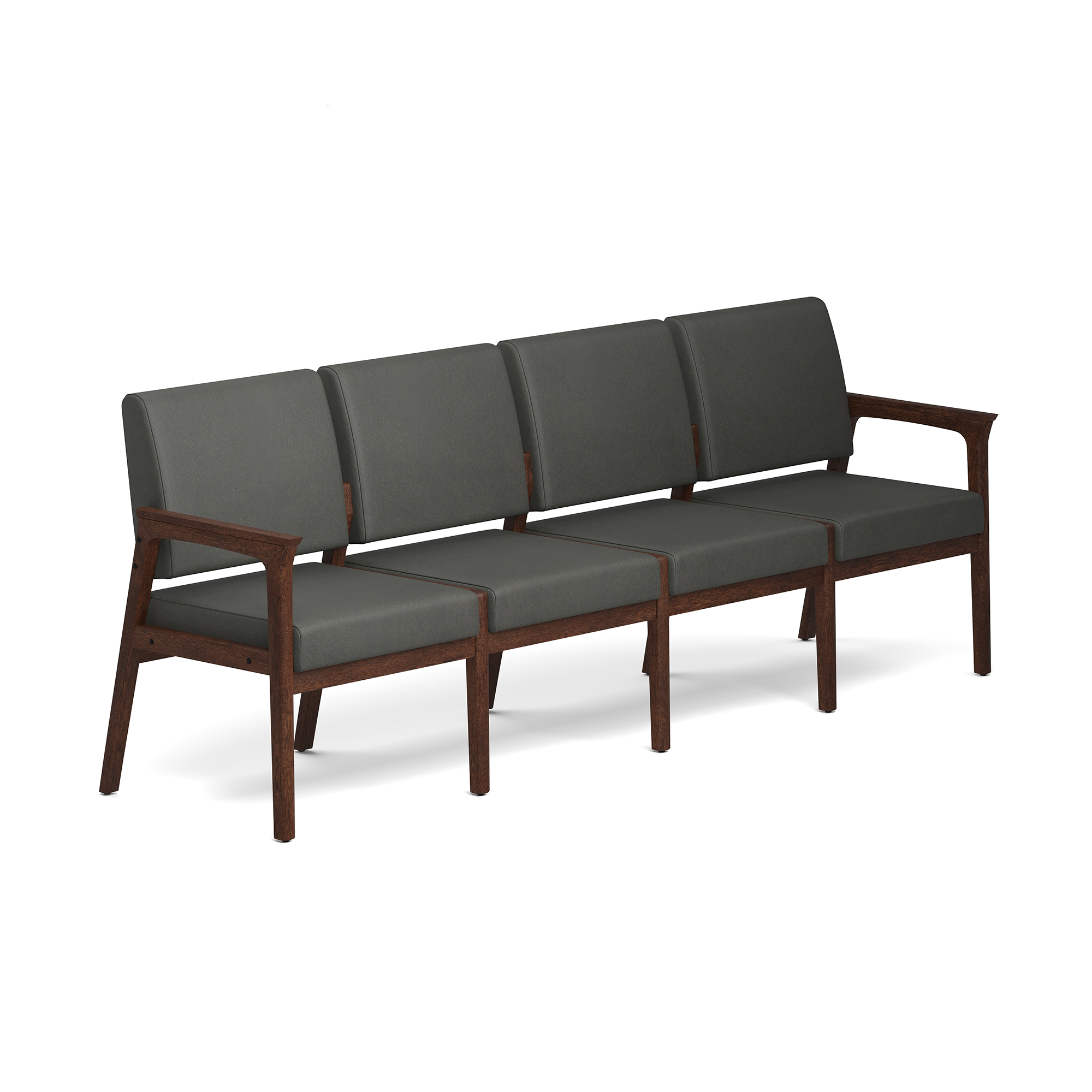
Both of these OfficeSource Aiden 4-seat options are built for modern office and reception use, and both bring generously padded seats plus a flexible four-seat format. The big difference is the arm style, which changes the feel of the whole piece. The OfficeSource Aiden 4-Seater with Full Arm usually feels more substantial and supportive, so it’s a strong fit for reception areas where visitors may sit a little longer or where the office wants a more anchored, executive look. By contrast, the OfficeSource Aiden 4-Seater with Half Arm can feel visually lighter and may work better in tighter spaces, higher-traffic waiting areas, or layouts where people need easier side access. In practical terms, full arms can boost perceived comfort and presence; half arms often improve flexibility and make the room feel less crowded. That same space-planning logic shows up in conference table layouts and broader office setup decisions, too. For medical offices, administrative lobbies, and client-facing spaces, the choice usually comes down to room size and how much movement the area needs.
How to Choose Guest Seating Without Guessing
Start with the room itself. Measure walkways, door swings, and the space around desks, tables, and storage so the seating doesn’t fight the layout. Then decide what the chairs must do: short waits, longer reception use, or occasional overflow seating. Next, compare arm style, seat depth, and upholstery finish to match comfort and maintenance needs. After that, think about traffic level and choose a build that can handle daily use without constant upkeep.
Before you order, test the layout on paper or with painter’s tape. It sounds simple, but it saves a lot of frustration. Quick wins: pick easy-clean materials, keep the color palette consistent with nearby office furniture, and leave enough room for people to sit down and stand up comfortably. Common mistakes? Buying something too large for a small reception or choosing a style that looks great but can’t handle frequent use. In my experience, the best setup usually feels almost obvious once it’s in place. Guest seating should complement the whole office, not compete with it.Conclusion
Guest seating is one of those office choices that quietly shapes how people experience your space. Comfort, durability, layout fit, and visual style all matter, but the right answer depends on how the room is actually used day to day. Premium seating can be worth it in busy, high-traffic settings, yet a well-designed mid-range option often delivers better value for smaller teams or lighter reception use. When desks, chairs, tables, and storage all have to work together, guest seating has to earn its place. In Indianapolis, Indiana, and beyond, the smartest office updates usually start with the basics and build from there. Thoughtful furniture choices save time, reduce maintenance headaches, and make the whole environment feel more polished. If you're ready to improve the first impression your office gives, compare styles, measure your space, and explore the right guest seating options for a setup that supports both people and the room itself.
Frequently Asked Questions
Common questions about Guest Seating