Which Modular Desk Setup Fits Your Office Best: Flexibility, Function, or Front-Desk Impact?
Office furniture has changed fast, especially with hybrid work, reception updates, and growing teams. Modular desks sit in the practical middle ground between fixed desks and custom millwork, giving you flexibility without a huge commitment. In my experience, the best office furniture setups balance desks, tables, chairs, seating, reception, and storage with a clean look. And honestly, not every premium option is worth it—sometimes simpler is smarter. Let’s find the modular desks that fit your space, budget, and workflow anywhere, including Indianapolis, Indiana.
What Makes a Modular Desk Actually Work?
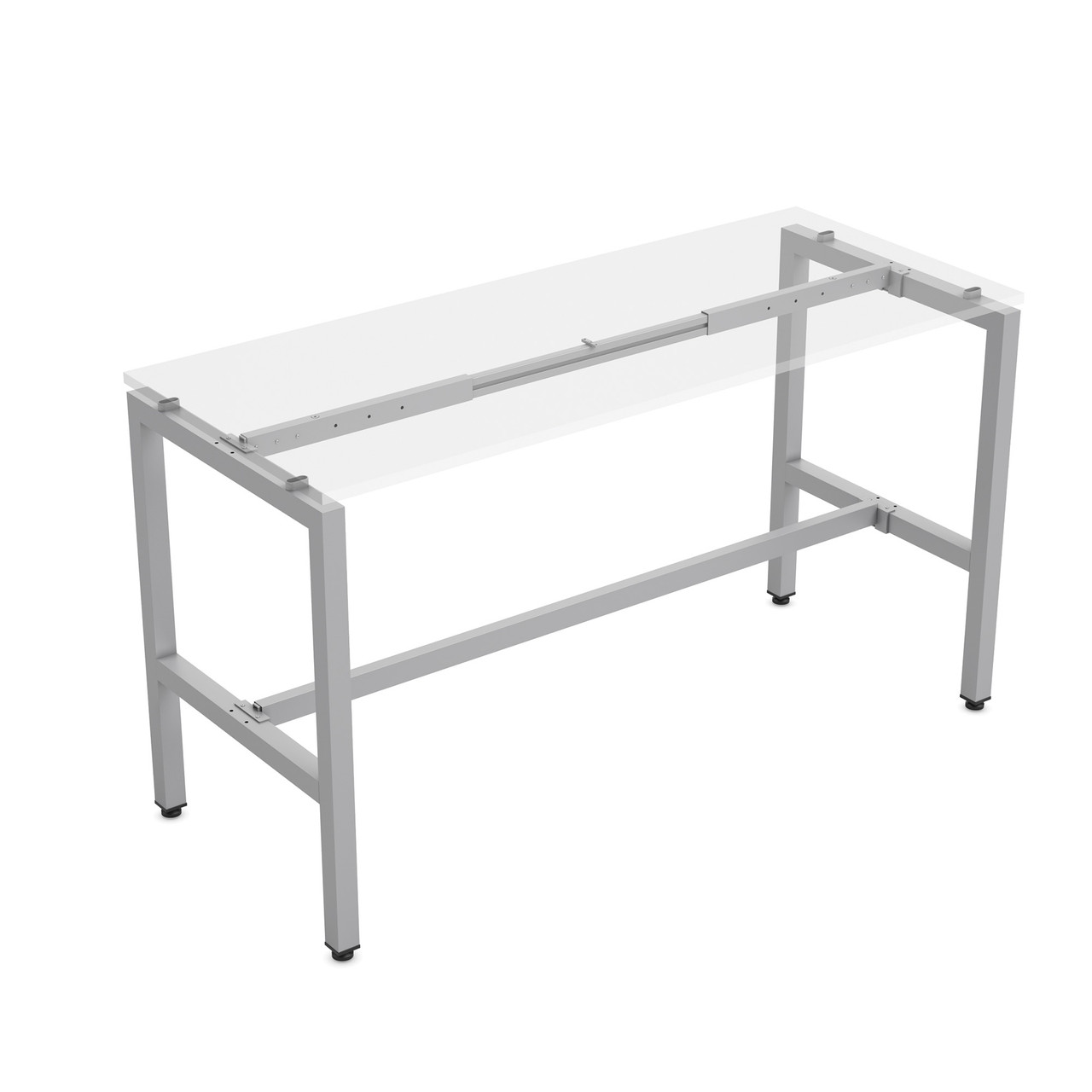
A modular desk works because it’s built from interchangeable parts. You can mix leg bases, work surfaces, corner pieces, and transaction tops to create a layout that fits today’s team and tomorrow’s changes. Add cable management, storage, and compatible chairs or tables, and the whole system feels organized instead of patched together. Most buyers care about width, depth, height, surface durability, and stability—and they should. Those specs decide whether the desk feels solid or wobbly after a few weeks.
In today’s workplace, that flexibility matters. Companies are juggling hybrid schedules, shifting headcounts, and rooms that do double duty. I once saw an IT team start with four desks and later add seating, storage, and a reception zone without replacing the whole setup. That kind of growth is exactly why modular systems are gaining ground. They also align with sustainability trends, since expansion usually means adding pieces instead of tossing everything out. If you want a broader overview, the modular desk benefits and workspace planning ideas in our related guide are a helpful next step. At the end of the day, the best modular desk is the one that solves a real workflow problem, not just the one that looks sleek in a catalog. If you’re browsing a modular office furniture category, start by thinking about function first, then finish.Why Modular Desks Often Beat One-Piece Solutions
The big advantage of modular desks is value over time. You can buy in phases, repair one component instead of replacing the whole unit, and expand as the office grows. That usually beats fixed desks or built-in furniture, which can lock you into one layout for years.
Installation is often simpler too, and space planning gets easier when you can move pieces around for different users or departments. Think about a small business moving into a bigger suite, a reception area that needs a sharper first impression, or a team that gets reorganized after a merger. Modular desk systems handle those changes without a full reset. And here’s the thing: premium doesn’t always mean better. Sometimes the best ROI comes from durable standard components, not expensive custom finishes that look nice but don’t add much function. Quick Wins: choose neutral finishes, standard sizes, and pieces that can also work as tables or collaboration surfaces. That approach keeps the office adaptable and easier to furnish over time. For a deeper look at the broader advantages, this modular office desk guide pairs well with the planning process. If you’re comparing manufacturers, it can also help to review OfficeSource’s official catalog for specs and finish options. In the end, modular desks help office furniture work harder when budgets, space, and staffing keep changing.Where Modular Desks Fit Best in Real Offices
Modular desks shine in places where the layout has to do more than one job. Open-plan workstations, hot-desking areas, reception counters, admin stations, small conference nooks, and back-office support zones all benefit from pieces that can be rearranged without drama.
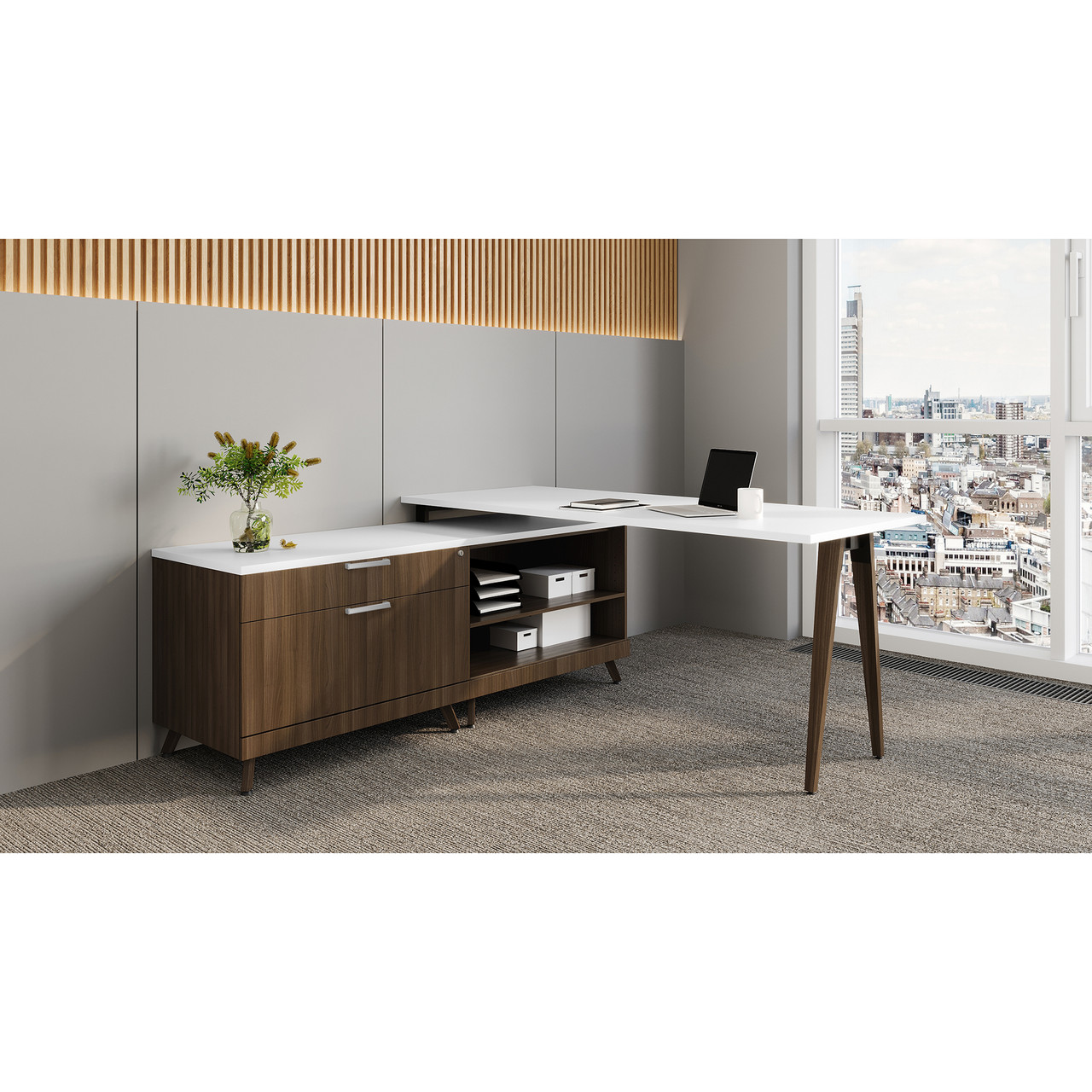
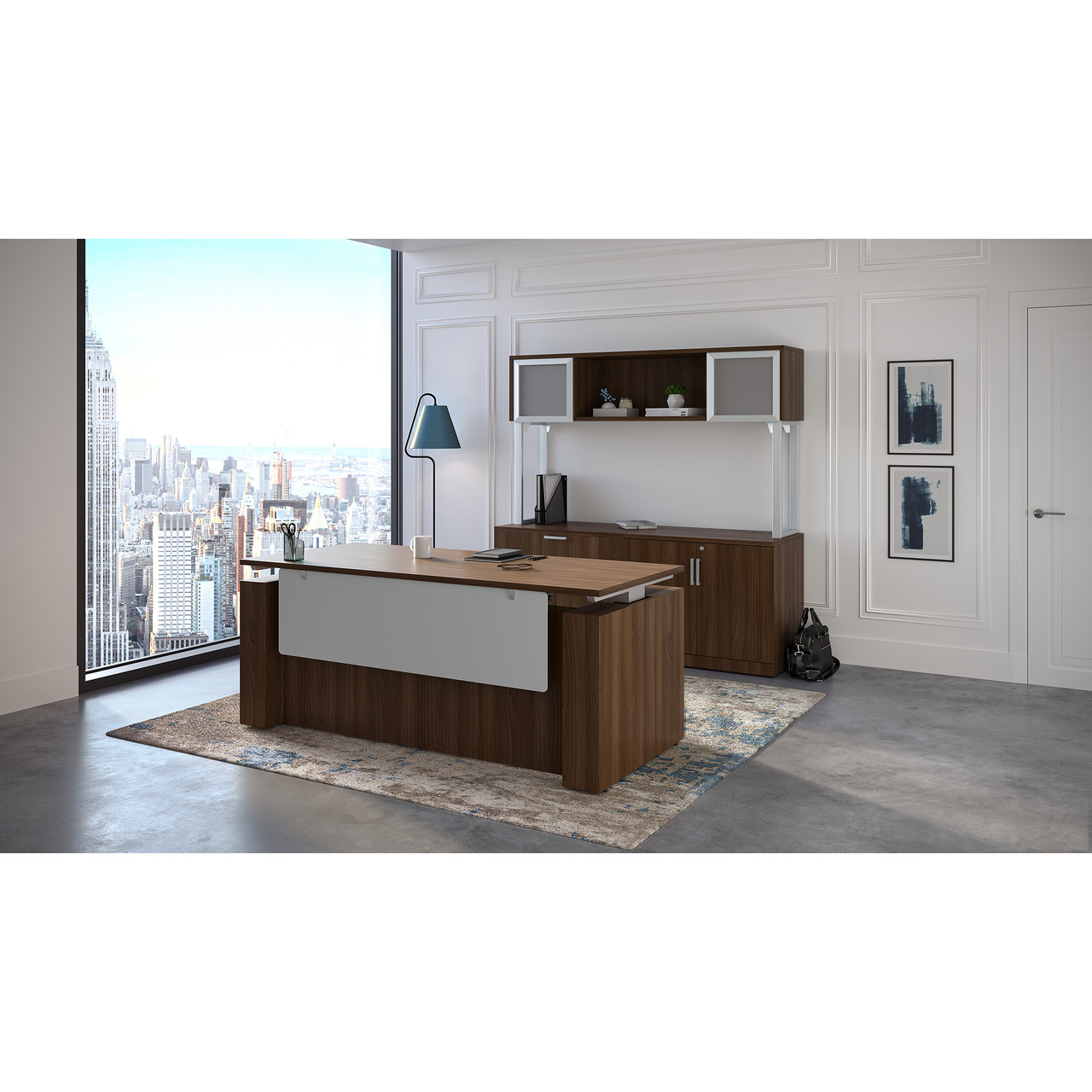
They support focused solo work, quick client handoffs, and those in-between moments when a desk becomes a collaboration spot. Pair them with coordinated chairs, seating, tables, and storage, and the office feels polished instead of pieced together. That matters for service businesses, medical offices, and professional firms, where the space has to look calm and run smoothly. In many offices, the desk isn’t just a desk—it’s a command center, a customer touchpoint, and sometimes a temporary meeting table. I’ve seen that play out in Indianapolis, Indiana, where growing businesses often need flexible furniture that can scale with demand. A modular desk makes that easier. Still, not every environment needs full modularity. If the layout never changes, a simpler desk may be enough, and that’s okay. But when space efficiency and presentation both matter, modular systems usually win. If you’re narrowing your options, a modular office furniture category is a smart place to compare styles, sizes, and use cases before you buy.How to Choose the Right Modular Desk Parts
Start by measuring the room. Then ask the basics: How many users? How much surface area do they need? Will the desk support monitors, paperwork, or client interactions? What finish matches the rest of the office furniture? Those questions sound simple, but they save money and headaches.
Look closely at leg base width, countertop depth, corner configurations, and surface material. A 30-inch leg base may work for one setup, while a wider support system makes more sense for larger runs. Common mistakes? Buying parts before measuring, forgetting cable paths, ignoring traffic flow, and choosing a style that clashes with reception or storage pieces. Pro Tips: prioritize durable materials and universal dimensions, especially if the office may expand later. Matching desks, chairs, and tables visually can make the environment feel more polished without overspending. In IT-heavy spaces, I usually check for docking stations, power access, and clean cable routing before I even worry about the finish—because ugly cable spaghetti ruins a good setup fast. The right modular parts should simplify the office, not complicate it. If you want a helpful starting point, browse a modular office furniture category and compare component specs side by side.Unite Leg Base - 30" vs. Borders II Corner Transaction Top: Which One Solves the Bigger Problem?
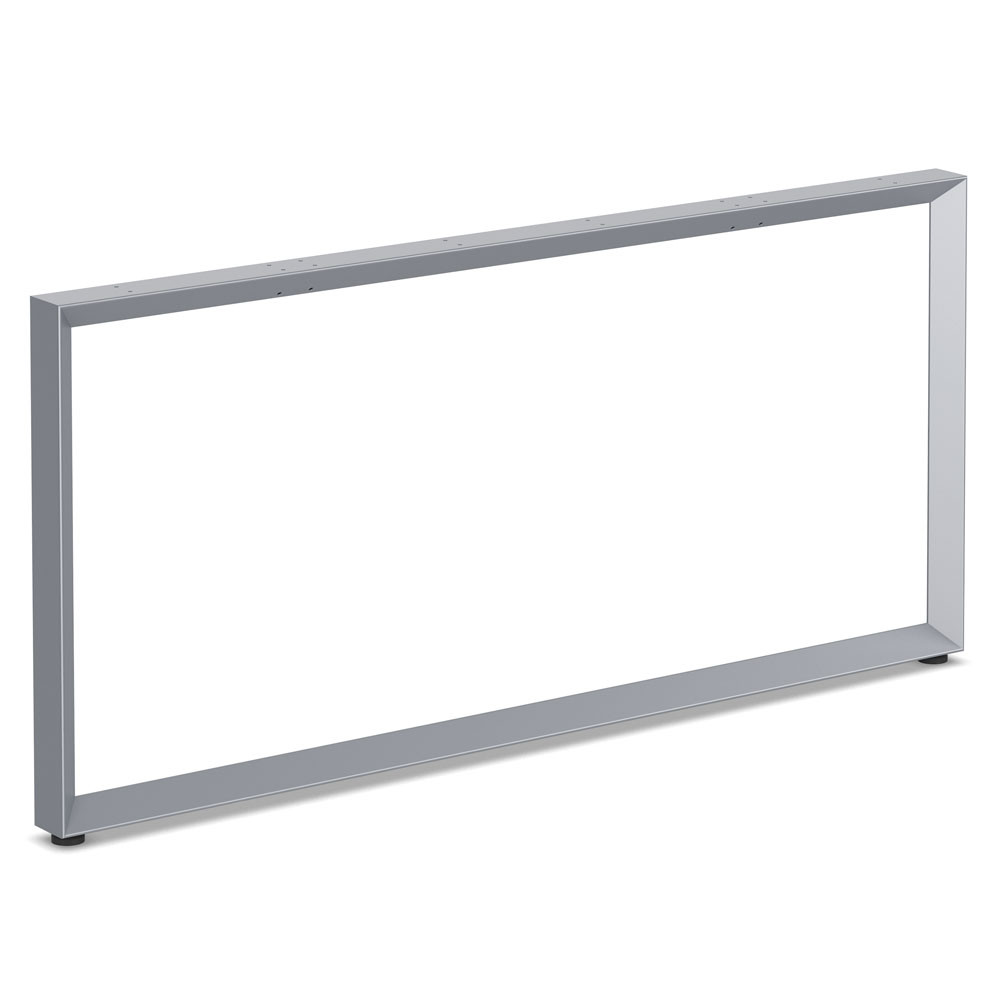
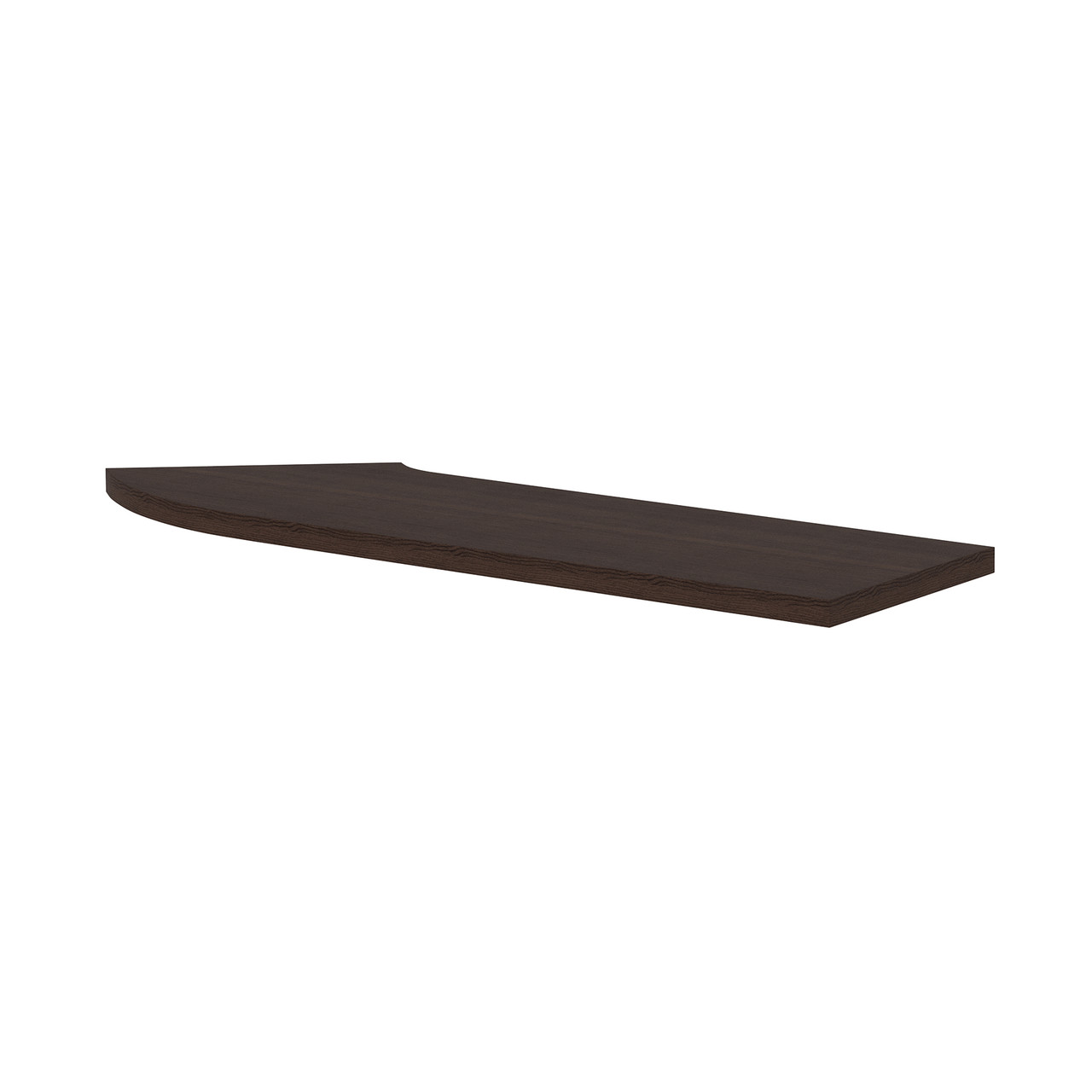
When comparing the Unite Leg Base - 30" with the OfficeSource Borders II Corner Transaction Top 36"W x 12"D (Right), you’re really comparing support versus presentation. The Unite Leg Base - 30" is a foundational component, ideal when you’re building or extending a modular desk system and need stable support for a work surface. The Borders II Corner Transaction Top is more about front-facing usability—creating a smooth corner for exchanges, reception interactions, or a more polished client-facing setup. The leg base prioritizes structural flexibility and integration, while the transaction top prioritizes usability and first impressions.
In a growing office, the leg base makes sense when you need a desk that can change later. The transaction top makes sense for reception, service counters, and customer-facing desks where the visible touchpoint matters most. So which solves the bigger problem? That depends on the job. If you need a framework, choose the base. If you need a better interaction surface, choose the top. I’d say both are useful—but for different reasons. Pick based on workflow, not just appearance.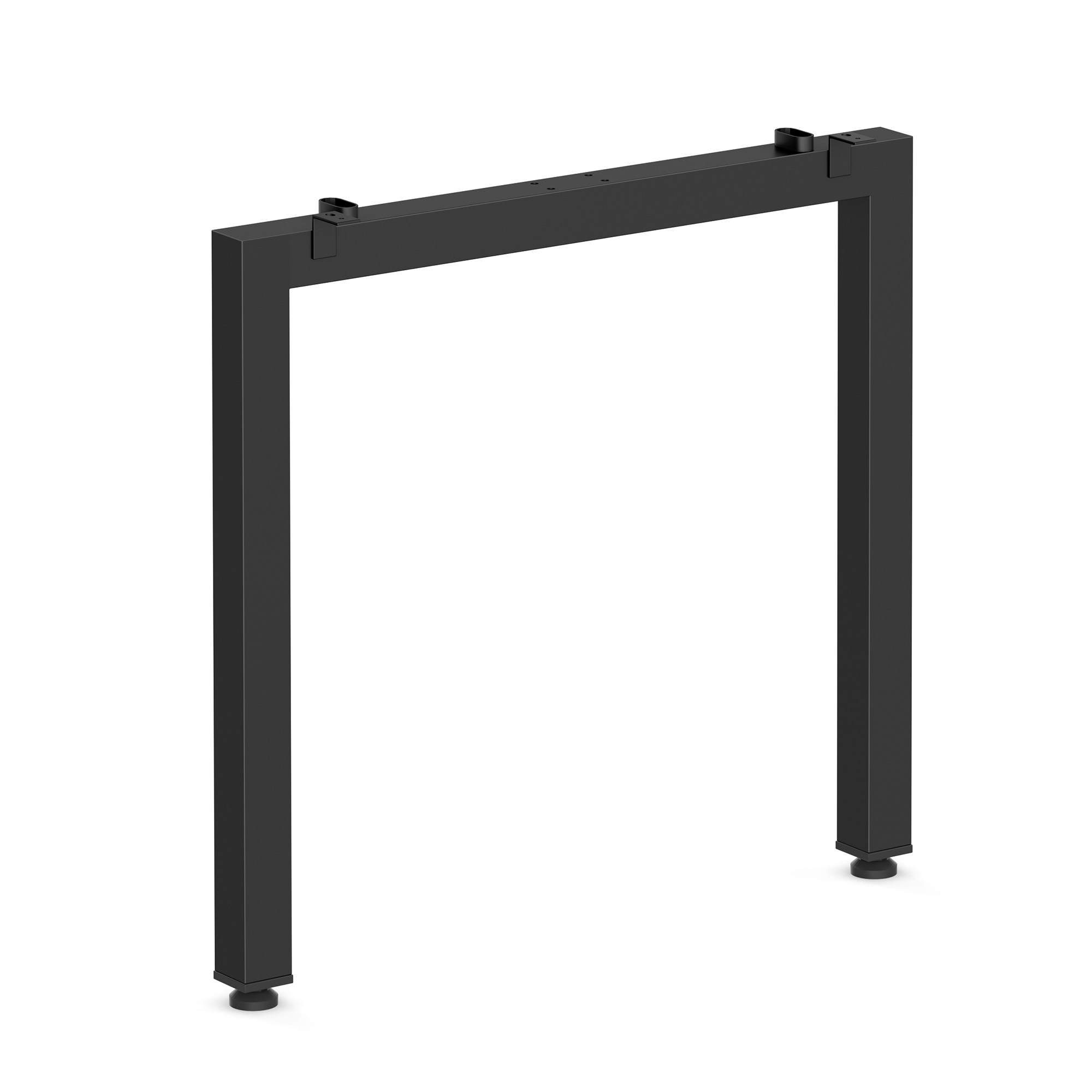
How to Set Up a Modular Desk Without the Headaches
Step 1: measure the room and map traffic flow, including doors, outlets, and storage access. Step 2: decide the desk function—workstation, reception, meeting overflow, or shared desk—and match the components to that job. Step 3: assemble the base structure first, making sure the leg system is level and stable before adding surfaces.
Step 4: attach tops, corner pieces, or transaction surfaces, then test reach, clearance, and ergonomic positioning. Step 5: route cables early so monitors, phones, and docking stations don’t create clutter later. Step 6: add chairs and nearby storage, then do a final walk-through to see how the setup feels in real use. Common mistakes are usually easy to spot: ignoring wall clearance, blocking pathways, or overbuilding the layout before you know the workflow. That said, leave a little room to grow if the space may evolve. I’ve found that small buffer space can save a surprising amount of money and frustration later, especially when teams or equipment change.Conclusion
Modular desks are valuable because they adapt to changing office needs, support better space planning, and often deliver stronger long-term value than fixed furniture. Across this article, the main themes were clear: features matter, benefits matter more, and use cases should guide the final choice. Whether you’re building a reception area, upgrading workstations, or planning for future expansion, the right modular system can improve workflow without forcing you to replace every piece of furniture. In my experience, the most successful office upgrades solve today’s problem while leaving room for tomorrow’s changes. That’s the real win.
If you’re ready to compare options, review your layout, and look for pieces that fit both budget and growth plans, start with our modular office furniture category. A well-chosen modular desk setup can make a workspace feel more professional, more efficient, and a lot less cramped—now and later.Frequently Asked Questions
Common questions about Modular Desks