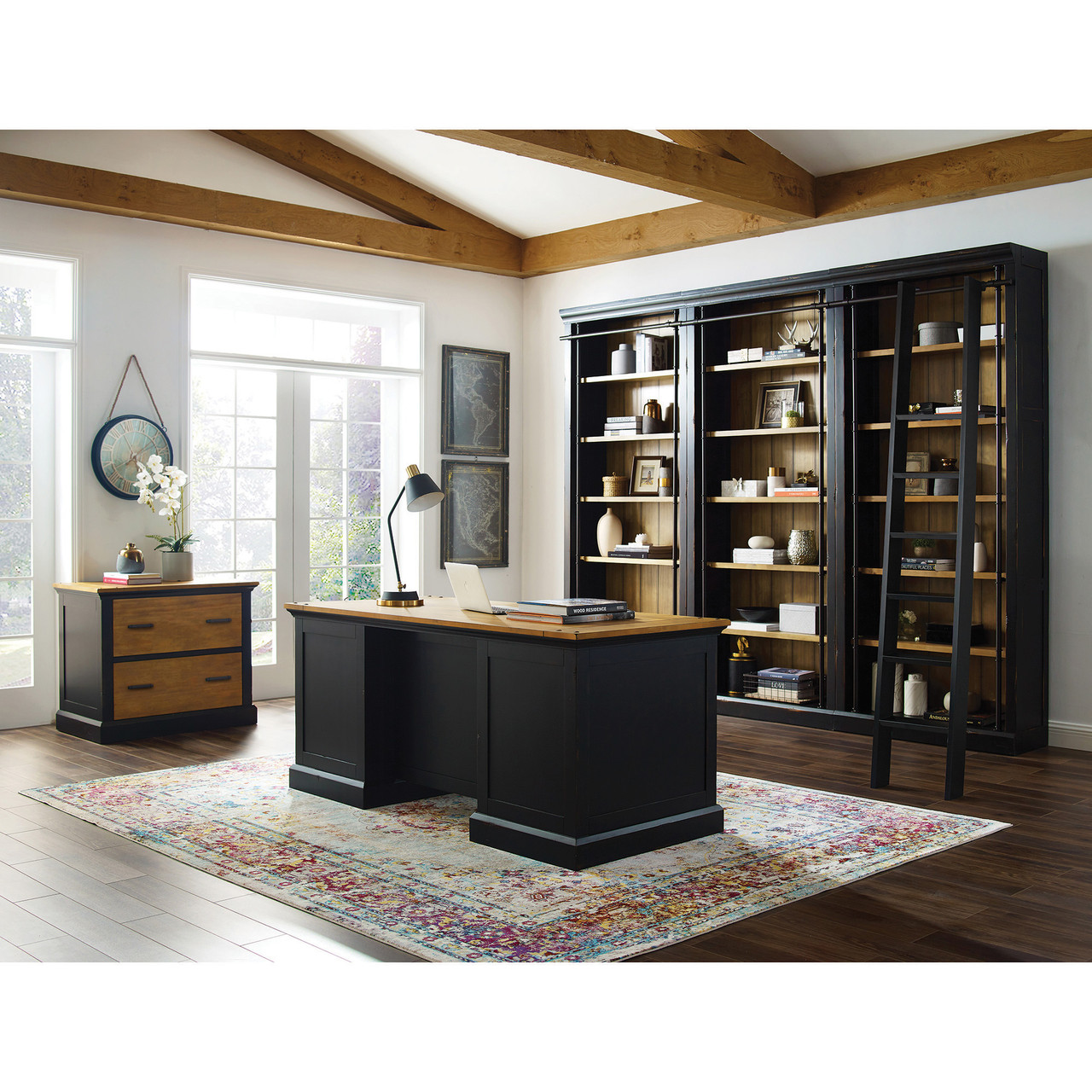
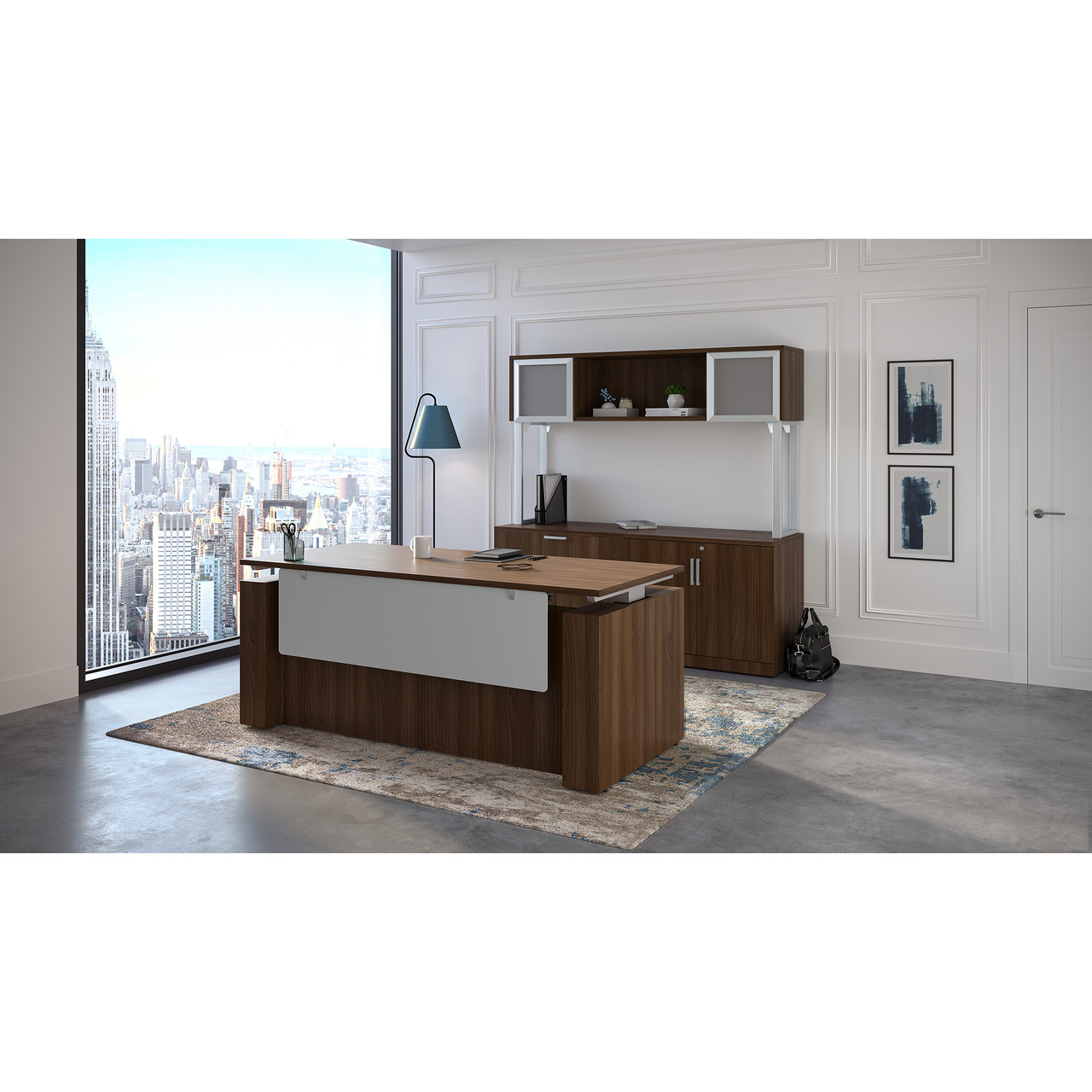
Office Suites for Modern Workspaces: Which Desk Setup Gives You the Best Value?
Office suites aren’t just for big corporate towers anymore—they’re popping up in Indianapolis, Indiana offices, home offices, reception areas, and shared workspaces because they simplify planning and create a cleaner, more professional look. In my experience as an IT professional, the right desk layout can make day-to-day work feel smoother almost immediately. This post breaks down features, value, common use cases, and comparison so you can choose confidently. Premium furniture isn’t always necessary; sometimes the smartest buy balances durability, storage, and workflow for the room at hand.
What Makes a Good Office Suite Desk Setup?
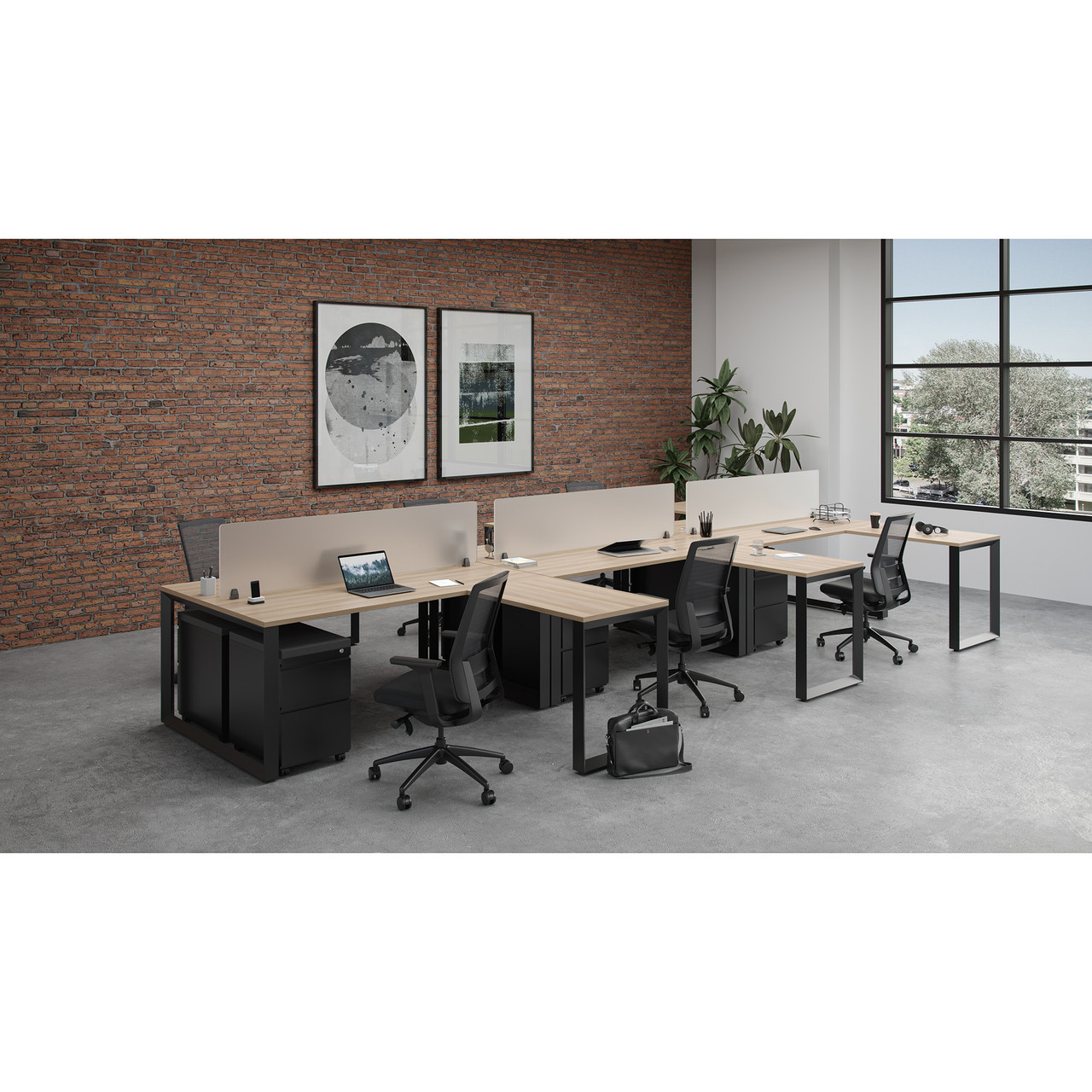
A solid office suite desk setup usually starts with the basics: desk shells, leg bases, connector beams, support panels, storage, and seating. But the real strength is in how those parts work together. Think of it less like buying one desk and more like building a system that keeps the whole room consistent. That matters when you need multiple desks, chairs, tables, and storage pieces to look and function like they belong together.
Good office furniture should match real work habits, too—monitor placement, cable management, file access, and enough surface area for laptops, notebooks, and the occasional paper stack. I’ve noticed many buyers overbuy on style and underbuy on function, and that usually shows up after the first week. Laminate surfaces are popular for a reason: they’re easier to clean and they hold up well in busy environments. A mid-range suite can sometimes outperform a premium one if it gives you the right configuration and simpler maintenance. For a deeper planning guide, what a good office suite desk setup really needs is worth a look, and the broader office furniture category can help you compare styles. At the end of the day, prioritize flexibility, durability, and visual consistency.How Office Suites Improve Everyday Work
The biggest benefit of office suites is simple: they improve workflow by reducing clutter and making it easier to organize equipment, seating, and storage in one coordinated layout. In fast-moving environments like administrative offices, reception areas, and small business workstations, that’s a big deal. A good suite keeps essentials within reach and cuts down on unnecessary movement—small thing, big impact. In my experience, when a workstation feels cramped, people waste time hunting for files, re-adjusting chairs, or fighting cable mess. That friction adds up over a day.
Comfort and ergonomics matter, but not in a luxury-hotel way; this is about usable furniture that supports long workdays without getting in the way. Current trends lean toward modular designs, neutral laminate finishes, and multi-user configurations that make scaling easier later. Office suites also improve the look of a space, which matters in client-facing areas where first impressions count. From a sustainability angle, durable furniture often means fewer replacement cycles, which is usually better for budgets and the environment. Honestly, that’s one reason I like office suites: they often deliver better value than random individual desks because they create consistency, save setup time, and simplify future expansion.Where Office Suites Work Best in Real Life
Reception spaces are usually the easiest place to see the value of office suites. A cohesive layout makes a business look organized, welcoming, and credible right away. Private offices are another strong fit, because desk suites help managers and professionals balance surface area, storage, and guest seating without turning the room into a junk drawer. Shared work areas benefit too—teams often need coordinated desks and tables that support collaboration but still leave room for individual focus.
From an IT perspective, if a workspace houses multiple monitors, docking stations, printers, or network gear, a structured suite makes cable routing and equipment placement much easier. I’ve seen growing offices in Indianapolis, Indiana need something polished for visitors but still practical for staff handling admin work, scheduling, and document management. Storage is a big part of the value; it keeps paper files, supplies, and backup items out of sight, and that’s usually where the suite earns its keep. Common mistakes? Buying before measuring, ignoring chair clearance, and forgetting future growth. That said, a premium suite isn’t always the answer. If the team is small or the layout changes often, a simpler modular setup can be smarter. The best office furniture fits the real workflow, and the office suites category makes it easier to compare options with that in mind.Features Worth Paying Attention To Before You Buy
When you’re comparing office suites, start with dimensions. Desk width, depth, and height should match both the room and the way people work. A 30-inch depth is common because it usually leaves enough room for monitors, documents, and accessories without making the space feel crowded.
Next, look at materials and finish options. Laminate surfaces often offer the best balance of durability, easy cleaning, and cost control, especially in busy offices. Then check the structure: leg bases, connector beams, and support panels all affect stability and long-term performance. Storage matters too—pedestals, credenzas, and integrated file solutions still earn their keep in offices that handle paper, supplies, and personal items. Don’t forget seating compatibility. A desk suite should allow chairs to pull out smoothly and let users sit comfortably for long sessions. Quick wins? Measure twice, check monitor clearance, and confirm the suite supports today’s tech plus whatever you may add later. If you want to review specs directly, the manufacturer’s catalog at OfficeSource official website is a useful place to start. In my opinion, the best purchase is usually the one that solves several problems at once instead of just looking impressive.OfficeSource | Variant | Typical OSTYP347 vs. OfficeSource | OS Laminate | Typical OSTYP343
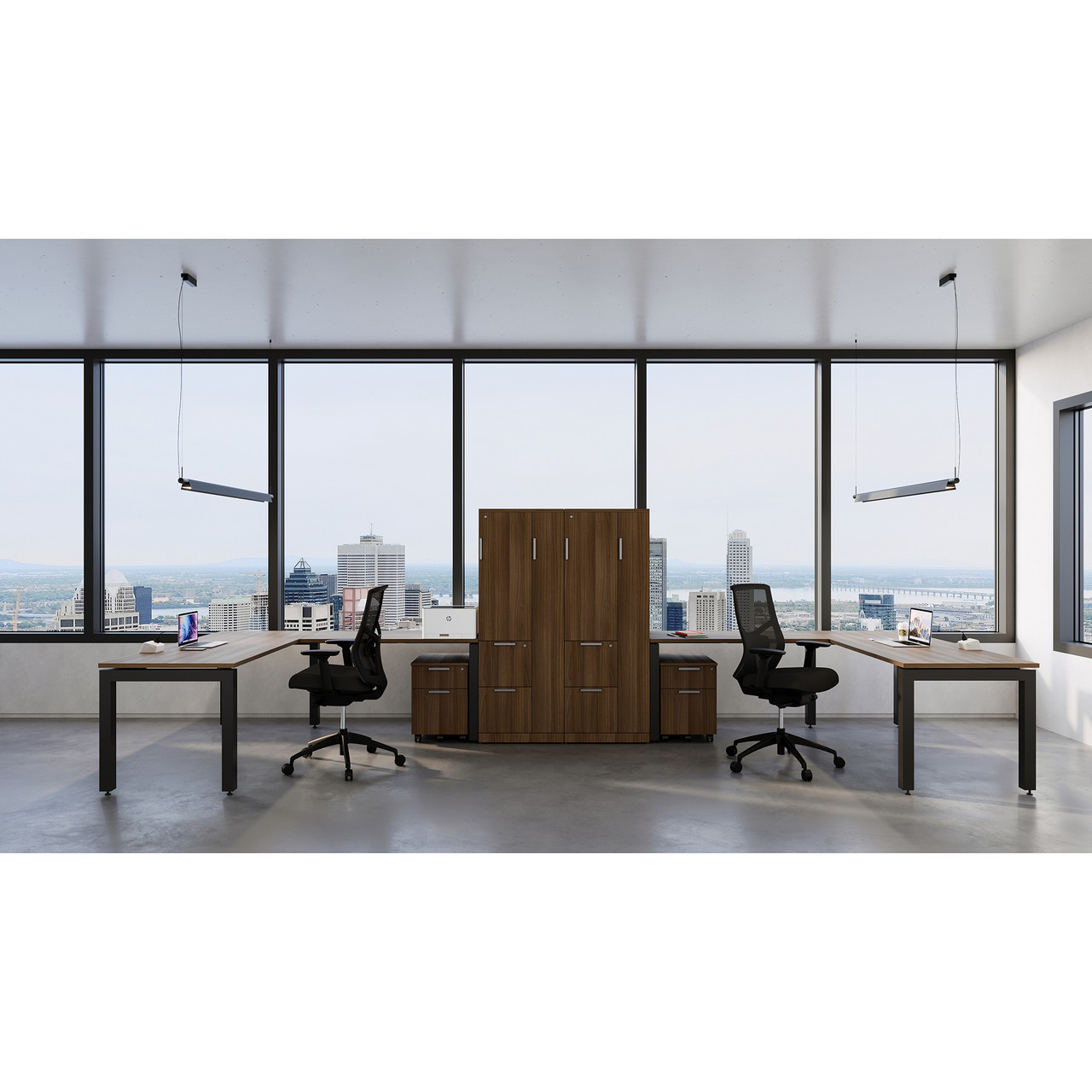
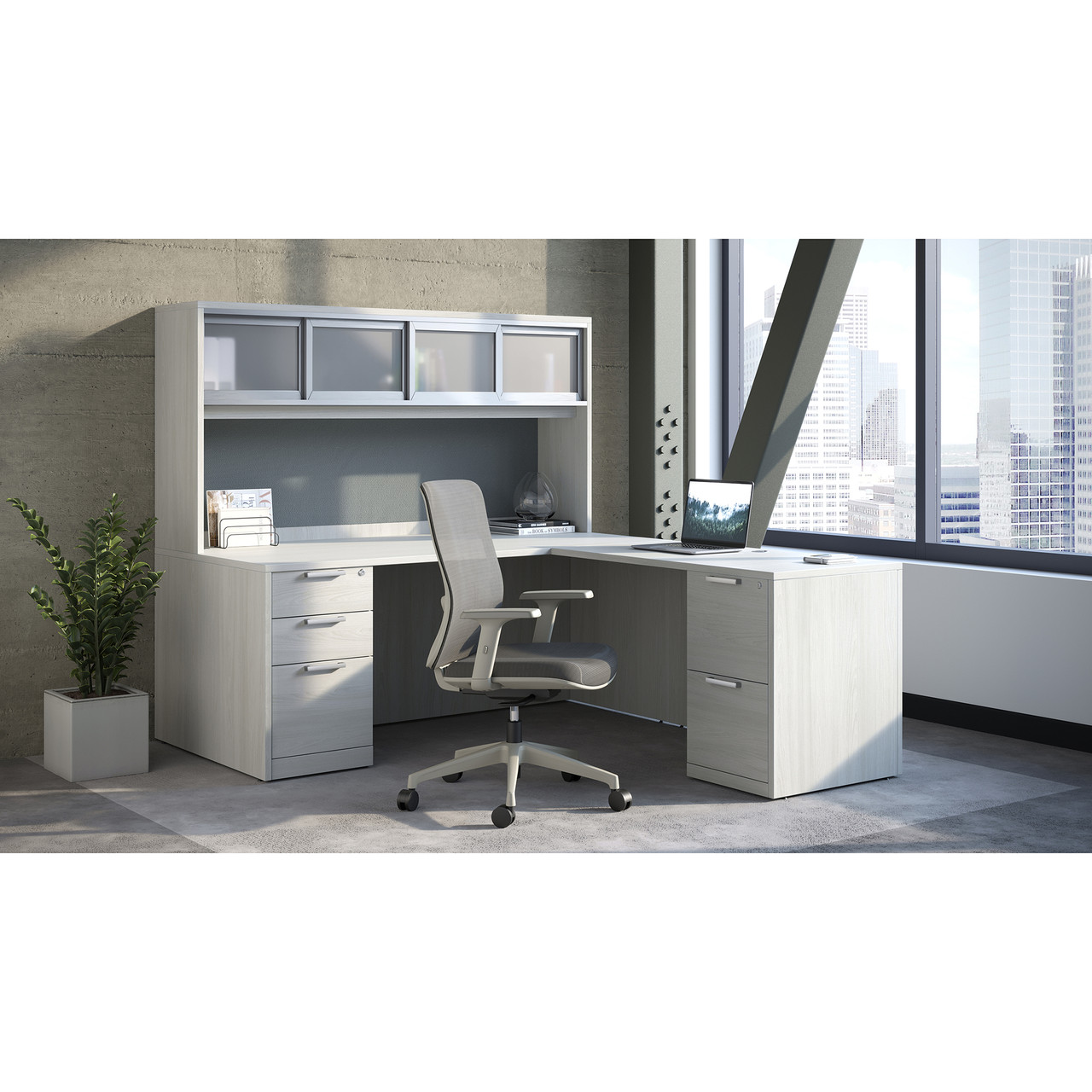
When comparing OfficeSource | Variant | Typical OSTYP347 with OfficeSource | OS Laminate | Typical OSTYP343, the main difference is flexibility versus simplicity. OSTYP347 is more modular, with Unite Leg Bases, connector beam pieces, and coordinated components that make it easier to build a flexible workstation layout. That makes it a strong choice for growing offices, multi-user environments, or spaces that may need reconfiguration later. By contrast, OSTYP343 takes a more traditional laminate desk suite approach. It includes a 71-inch wide desk shell and matching components, which work well in a private office or reception-style setup where a clean, polished appearance matters. Both are solid office furniture solutions, but they serve different needs. I’d lean toward OSTYP347 for collaborative areas or offices expecting change. OSTYP343 usually fits executive offices, administrative stations, or client-facing rooms better. Premium isn’t always better if the extra pieces won’t get used, and that’s worth remembering.
How to Choose and Set Up the Right Office Suite
Start with measurement. Check the room size, wall clearances, walking paths, door swings, and space for chairs and storage. Then define the main use case—private office, reception, shared work zone, or admin area—because the right suite depends on how people actually work. Next, list the equipment that has to fit: monitors, docking stations, printers, phones, and file storage.
After that, pick a configuration that leaves enough working surface without crowding the room. Material and finish come next, and laminate is often the practical go-to for durability and easy maintenance. When you assemble the suite, keep cable management in mind; messy cords are one of the most common mistakes I see. Put frequently used items within arm’s reach and move less-used storage farther away. Finally, check seating clearance and traffic flow, especially in reception or shared spaces. If the mock layout feels awkward, it probably will feel awkward after installation too—so adjust before you buy. That simple test has saved me from a few headaches over the years.Conclusion
Office suites make it easier to build a workspace that looks professional, works efficiently, and stays organized over time. The biggest takeaways are pretty clear: durable laminate, stable support structures, and useful storage all matter; value comes from better workflow and fewer replacement cycles; and the best fit depends on the room and the people using it. If you’ve ever dealt with a cramped desk, tangled cables, or a reception area that just didn’t feel right, you already know why a thoughtful office suite can make such a difference. In today’s market, modular and adaptable furniture often wins because businesses need flexibility. So compare layouts, measure carefully, and choose the office furniture that matches your day-to-day needs—not just the prettiest option. When you’re ready, explore desks, chairs, tables, seating, reception pieces, and storage together as one system through the office furniture category.
Frequently Asked Questions
Common questions about Office Suites