What Makes Reception Lounge Chairs Worth Buying for Modern Office Spaces?
When someone walks into your reception area, the chairs start shaping the first impression before anyone says hello. In office furniture planning, reception seating often gets less attention than desks or storage, but it affects comfort, brand image, and how long guests are willing to wait. In Indianapolis, Indiana, I’m seeing cleaner lines, durable materials, modular layouts, and reception lounge chairs that balance style with daily use. Honestly, offices often notice seating only after a chair looks worn or feels awkward—then it’s urgent. This guide shows what to look for, how to compare options, and how to choose seating that fits budget and space.
What Should Reception Lounge Chairs Actually Do?
Reception lounge chairs have one main job: make visitors feel welcome while supporting short-to-medium wait times and reinforcing the office’s tone.
Practically, that means paying attention to seat depth, back support, arm style, cushion density, upholstery, and frame construction. Reception seating is not the same as task chairs, and that’s a good thing—comfort here is about relaxed posture, not all-day ergonomics. A law office may want polished lines and a more formal finish, while a medical lobby usually benefits from easy-clean surfaces. A tech startup, on the other hand, might want something modern without feeling cold. Pro Tips: if guests often arrive with coffee, snow, or outdoor wear, choose stain-resistant materials. Premium chairs can be worth it, but not always; sometimes a mid-range option with strong build quality is the better value. Good office furniture should make the reception area feel intentional, not accidental. If you’re comparing styles and upholstery, OfficeSource’s official seating selection is a solid reference point, and the broader reception seating category can help you narrow the field. I’d also pair this decision with insights from office suite desk planning and guest seating comfort basics so the whole front office feels coordinated.Which Features Make the Biggest Difference in Daily Use?
When you shop for reception lounge chairs, the features that matter most are the ones people notice after the first week, not the first five minutes.
Frame materials are a good place to start: steel usually feels sturdier and more commercial, while wood brings warmth and a softer visual profile. Upholstery changes maintenance too—fabric feels inviting, PU leather and vinyl are easier to wipe down, and bonded leather can look good at first but may not age as gracefully. Weight capacity matters, as does whether the chair is modular or standalone. Tall arms can make a chair feel more supportive, while low-profile designs help a room stay open. Quick Wins: 1) measure the lobby, 2) map traffic flow, and 3) check seat height against nearby tables. In my experience, offices often underestimate chair scale; oversized seating crowds a small reception, while tiny chairs can look cheap in a larger one. Darker tones hide wear better, and wipeable surfaces are smart for high-traffic areas. Reception lounge chairs should also visually coordinate with desks, tables, and storage, especially in client-facing spaces. The most expensive choice isn’t always the smartest one if wait times are short and traffic is moderate. A balanced mix of durability, comfort, and appearance usually wins, and that’s where thoughtful office furniture planning pays off.How Do Style and Layout Change the Whole Reception Experience?
Style does more than decorate a lobby; it changes how people read the entire business.
Color, leg profile, arm shape, stitching, and silhouette can soften a hard-edged office or reinforce a modern, efficient brand identity. Reception lounge chairs with rounded forms usually feel more welcoming, while sharper lines suggest structure and precision. Layout matters just as much. Two lounge chairs with a small table can work beautifully in boutique offices, a row of coordinated chairs often suits busier reception areas, and a mixed arrangement with a sofa and accent chairs fits larger lobbies. In Indianapolis, Indiana, I see this a lot in healthcare waiting rooms, coworking spaces, and professional services offices where reception seating has to look sharp and hold up under steady use. Common Mistakes to Avoid: ignoring aisle clearance, forgetting cleaning needs, or choosing trendy furniture that clashes with the rest of the space. If you want a more cohesive front office, browse the reception seating category and compare it with modular desk layout ideas or guest seating design guidance. Durable chairs often mean fewer replacements, which helps your budget and cuts waste. That’s a win on both sides. Reception seating should feel welcoming, but it also needs to be easy to maintain and easy to live with every day.What’s the Best Way to Budget for Reception Lounge Chairs Without Regret?
A smart buying plan starts with more than sticker price.
Think in terms of cost per year, because a reception lounge chair that lasts longer often costs less over time. In a high-traffic lobby, stronger upholstery, commercial-grade foam, and a more robust frame can be worth the extra spend. In a quieter office, you may not need the heaviest-duty build. A simple way to budget is to look at three tiers: economy, mid-range, and premium. Honestly, mid-range is often the sweet spot for office furniture buyers because it balances durability and value. I’ve seen offices rush purchases, then pay twice—once for the chair, then again for the replacement. That said, don’t overbuy either. A premium look can come from the right proportions, finish, and layout, even if the chair itself isn’t top-tier. Reception lounge chairs should also fit with desks, tables, and storage so the whole area feels planned, not pieced together. Before you finalize anything, compare warranty terms, lead times, and delivery requirements. Those details matter more than people expect, especially when you’re trying to keep a reception area functional and professional.OfficeSource Saxon Typical vs. OfficeSource Mason: Which Reception Style Fits Your Space?
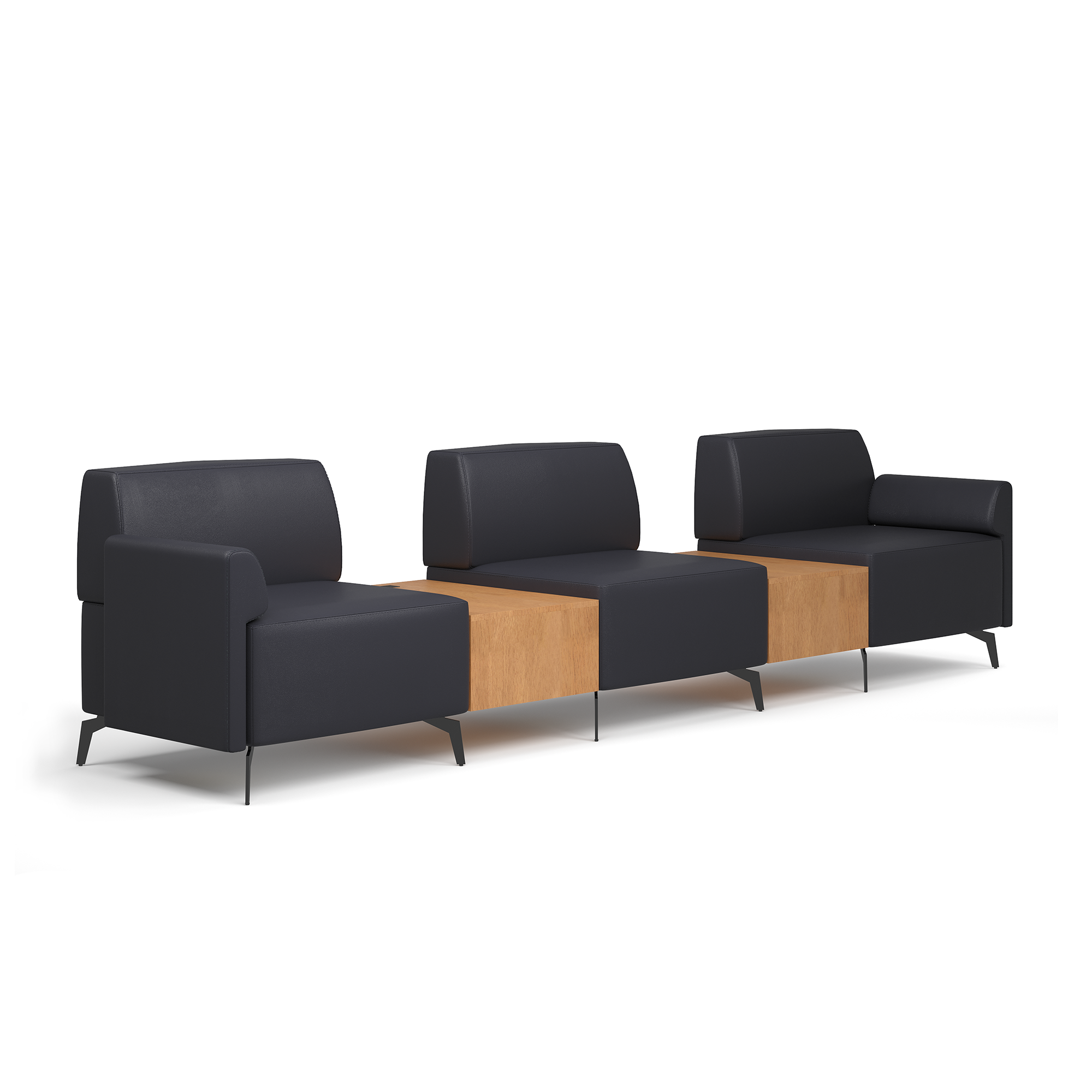
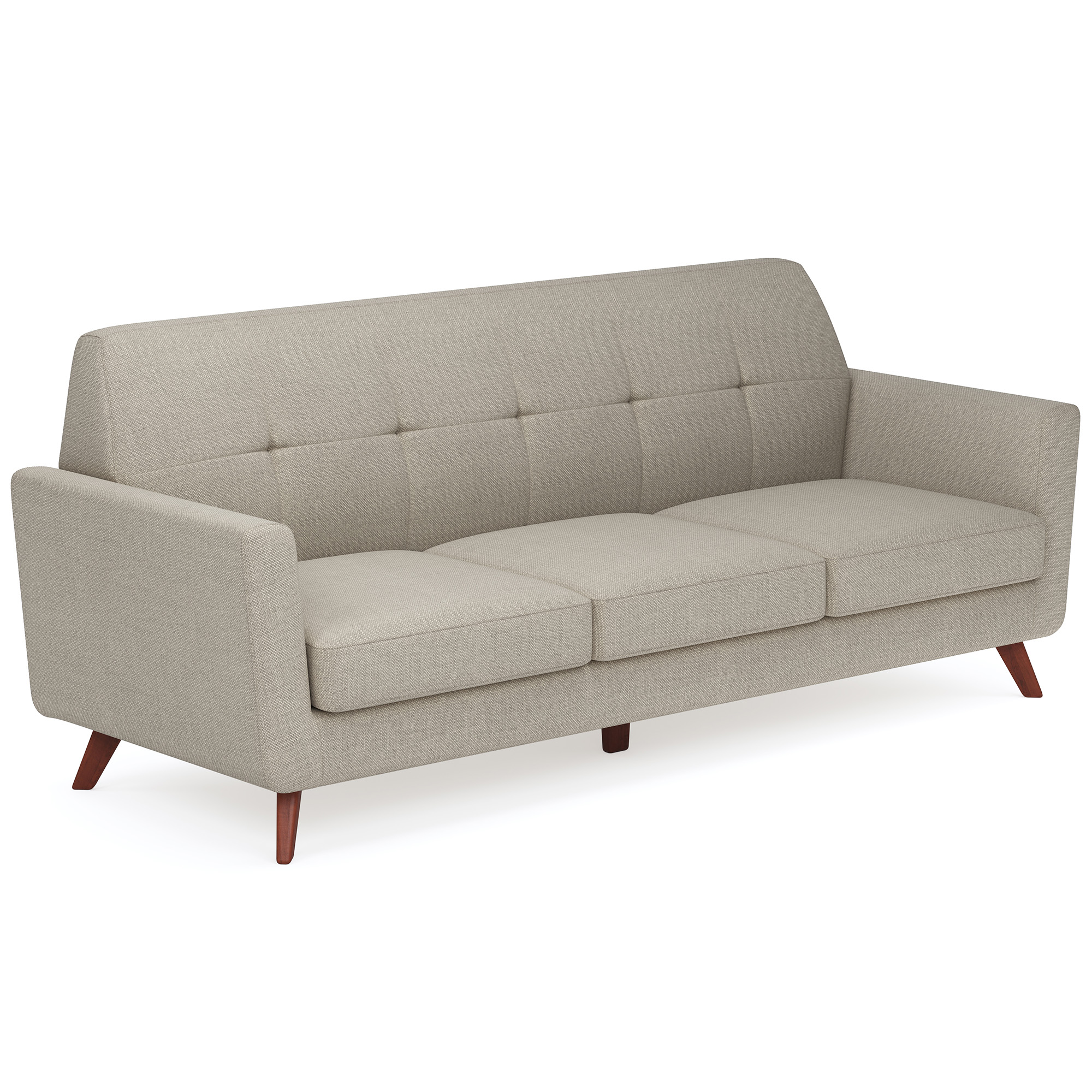
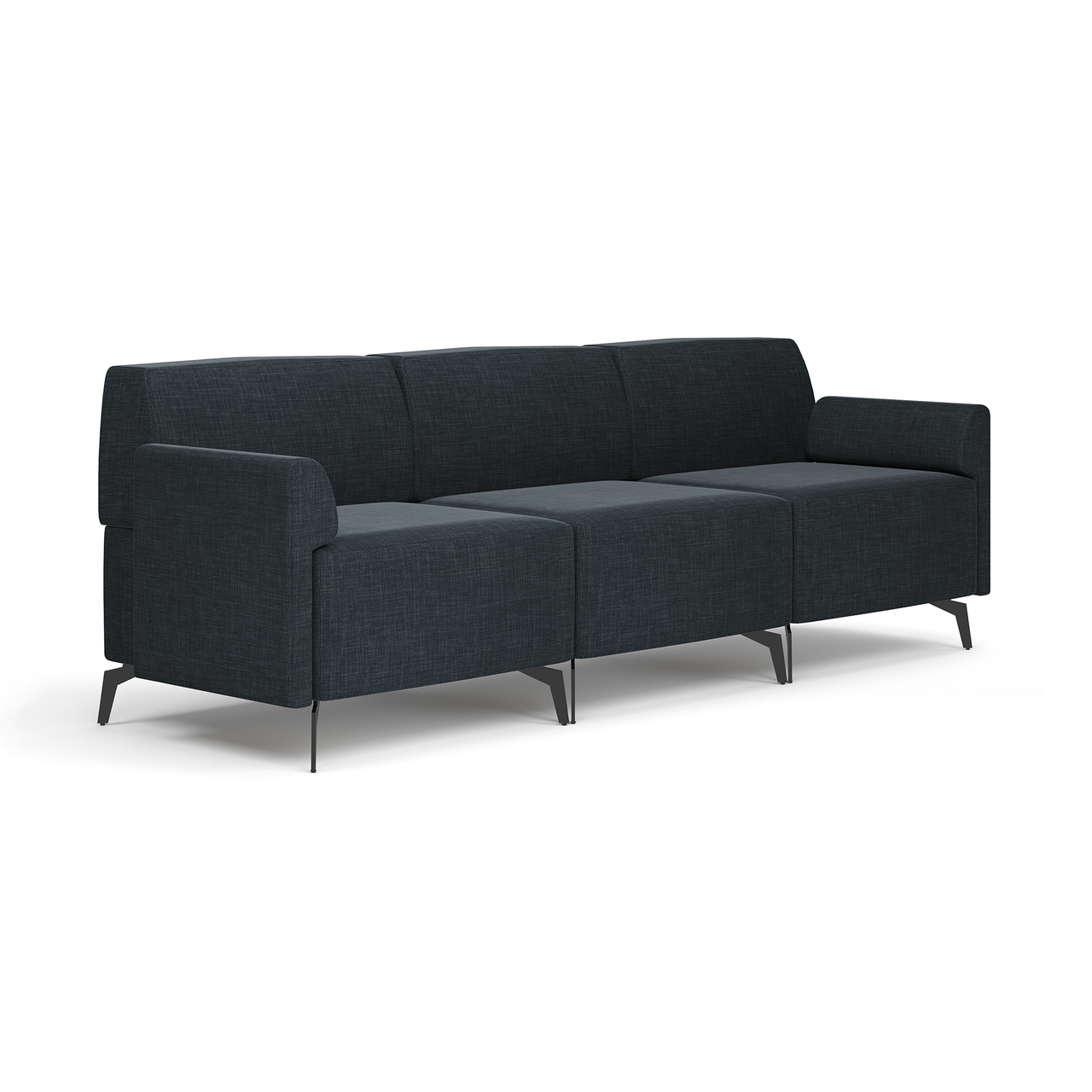
When comparing the OfficeSource Saxon Typical with the OfficeSource Mason Sofa, the difference is mostly about mood and visual language. Saxon leans classic and cushioned, with tall arms and a softer lounge feel that works well in reception areas where warmth matters. Its fabric or PU leather upholstery gives buyers flexibility, whether the priority is easier maintenance or a more branded finish. Mason, meanwhile, feels more contemporary and minimalist, with clean lines and a chic profile that suits modern lobbies, tech offices, or executive waiting areas.
Saxon is usually the better pick for professional services or hospitality-style reception spaces; Mason tends to shine in design studios and sharper client-facing environments. If you want something softer and more inviting, Saxon makes sense; if you want a sharper visual statement, Mason usually wins. Both can work, but they solve different problems. The right choice depends on how your reception lounge chairs need to support comfort, maintenance, and brand image without overcomplicating the room.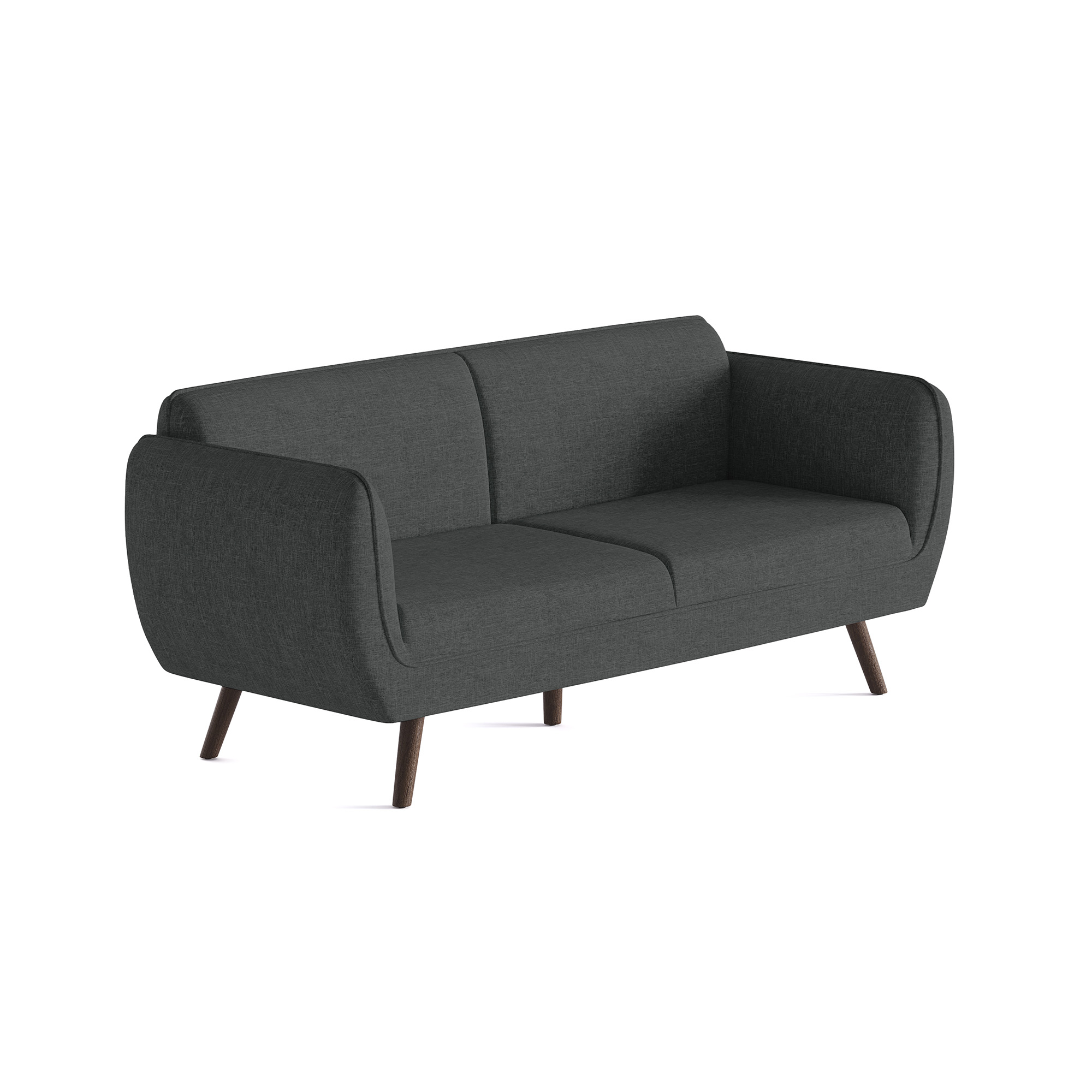
How Do You Choose the Right Reception Lounge Chairs Step by Step?
A practical selection process keeps you from guessing. Start by measuring the reception space and noting traffic flow, door swing, and nearby desks or tables.
Next, define the main goal: comfort, durability, style, or a balance of all three. Then review material options based on usage—fabric for warmth, PU leather or vinyl for easier cleaning, and commercial-grade frames for heavier traffic. After that, match chair scale to the room so the seating doesn’t overwhelm the layout. It sounds basic, but it’s where a lot of people miss. Compare warranty, lead time, and delivery setup, because those details can affect the real cost and timeline. Test how the chair works with side tables, storage, and other office furniture in the area, since reception lounge chairs should fit the whole environment, not just the catalog photo. I usually recommend narrowing it to one or two options, then comparing them against daily use instead of showroom looks alone. What looks great for five minutes should still feel right after five years. That’s the standard that keeps buyers happy.Conclusion
Reception lounge chairs are more than decorative pieces—they shape comfort, client perception, and the flow of your office furniture plan.
The biggest decision points are material, frame strength, cushion support, layout, and maintenance. The best choice depends on how the reception area is used, how often guests wait, and what kind of brand experience the office wants to create. Premium chairs can be worth it in busy environments, but a well-chosen mid-range option often delivers the best value. In Indianapolis, Indiana, offices also have to think about seasonal wear, snow, salt, and daily traffic, which can make durability a bigger deal than buyers first expect. If the chairs feel welcoming, fit the room, and make cleanup simple, you’re probably on the right track. Compare options carefully, coordinate them with the rest of the space, and choose seating that helps the whole area feel intentional. If you’re ready to get practical about your front office, explore the reception seating category and build a setup that works on day one and day 1,000.Frequently Asked Questions
Common questions about Reception & Lounge Chairs