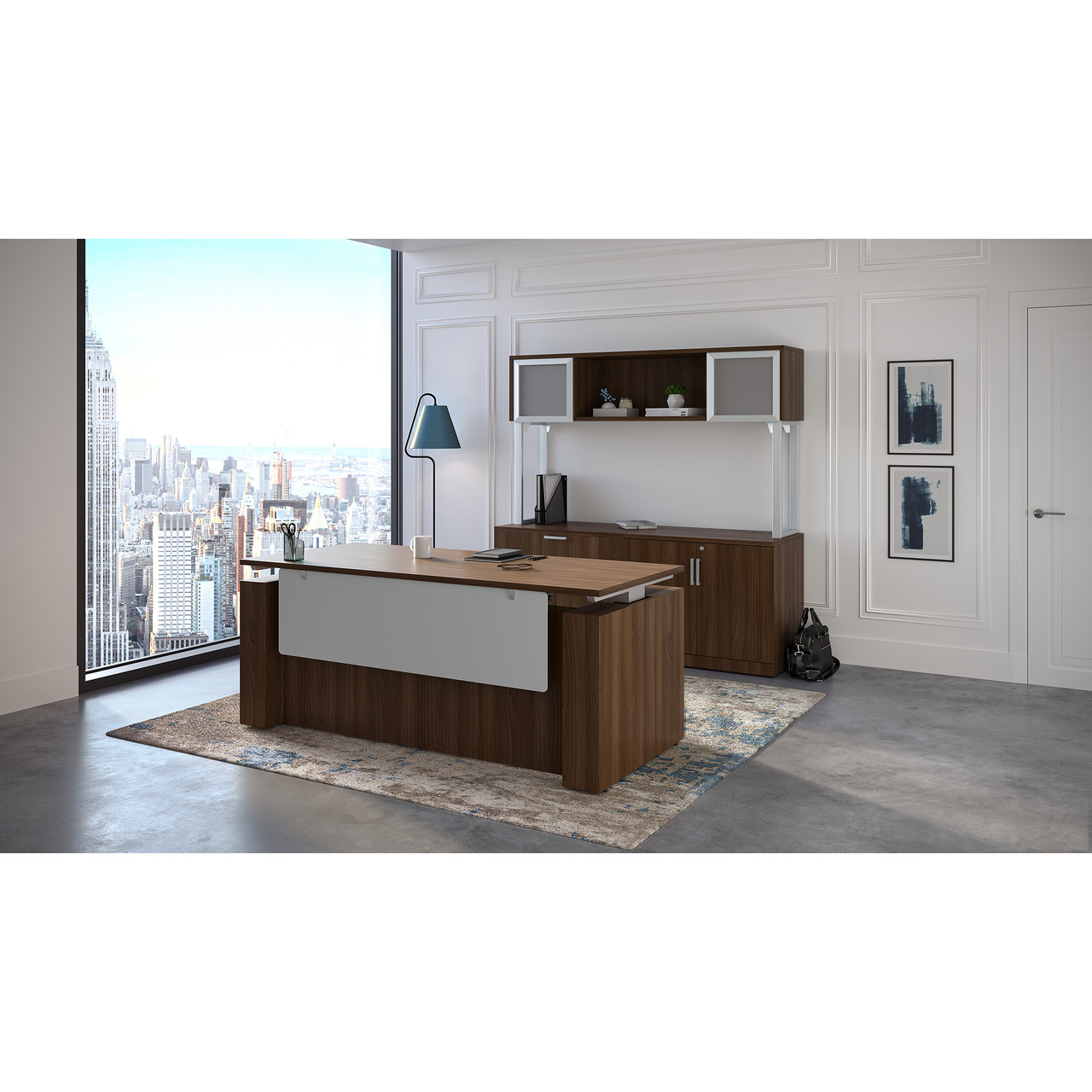
Reception Desks: How Do You Choose the Right One for Privacy, Style, and Productivity?
Reception desks aren’t just furniture—they shape first impressions, manage workflow, and set the tone for the whole office. In my experience working around office furniture projects in Indianapolis, Indiana, the reception zone often gets overlooked until traffic starts bottlenecking. When that happens, the right mix of desks, chairs, tables, seating, and storage suddenly matters a lot. The best reception desk balances aesthetics, privacy, organization, and guest experience, and that’s what we’ll unpack here: features, benefits, use cases, comparisons, setup tips, and the buying mistakes to avoid.
What features should a reception desk actually have?
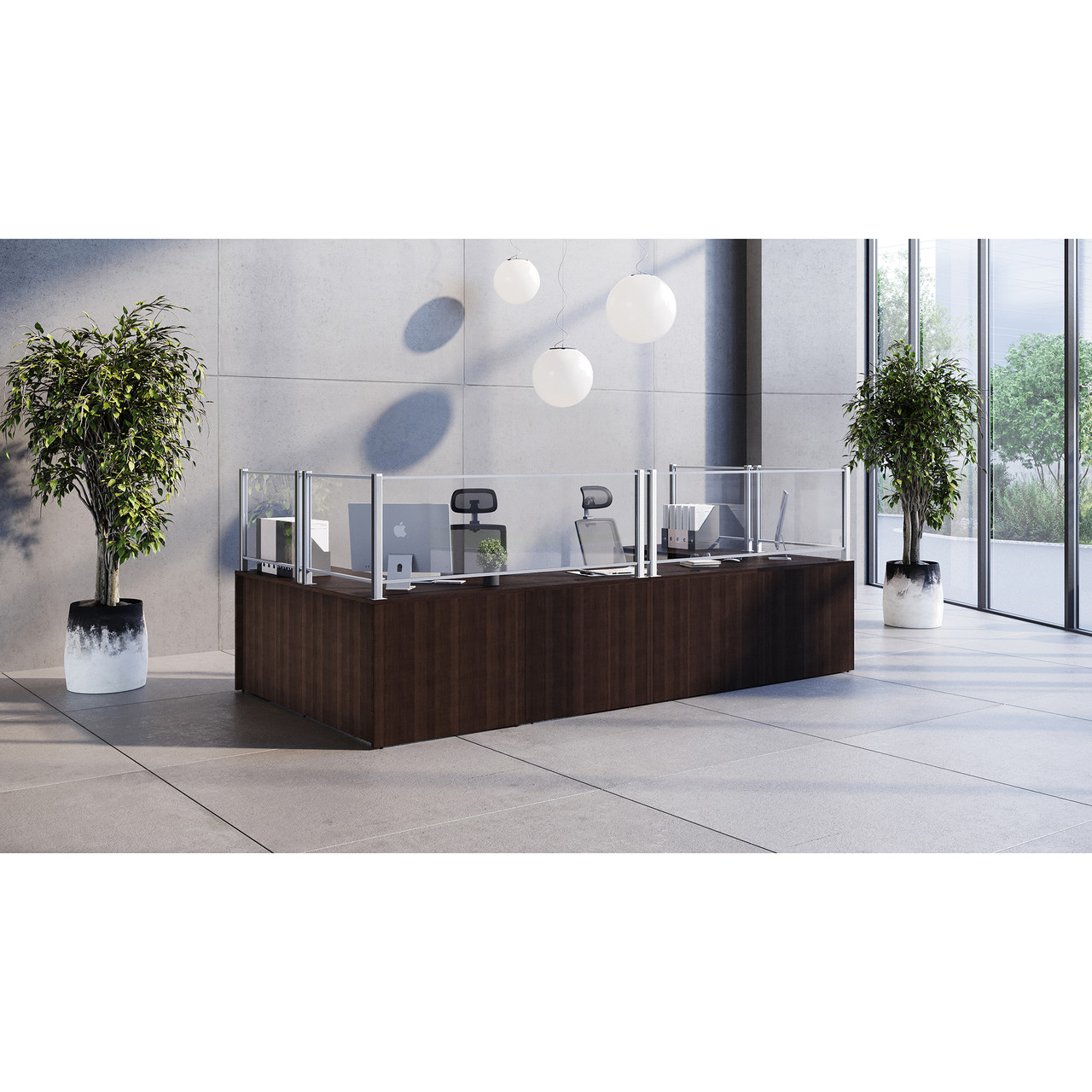
When you’re choosing a reception desk, start with the basics: surface durability, laminate quality, transaction tops, modesty panels, cable management, storage, and return shells. A desk in the reception area usually takes daily wear—paperwork, tablets, phone chargers, coffee spills, and the occasional bag scrape—so material quality really does matter. Dimensions count too. Does the desk support standing greetings, seated work, or both? I’ve seen great-looking furniture fail because the workstation was too shallow for real use.
Today’s office furniture trends lean toward cleaner lines, modular parts, and flexible reception layouts, which is handy if your space needs to change later. A compact lobby might only need a simple laminate front with a small shelf, while a busier office may need built-in storage and a wider footprint. Quick win: choose finishes that match nearby desks and chairs for a cohesive look. You can also browse a broader reception furniture category to compare styles and sizes. Premium options are nice, sure, but they’re not always necessary if visitor flow is light or the room is small. Personally, I like reception desks that feel organized without looking overdesigned. If the surface stays clear and the cables disappear, the whole front office feels calmer. That’s a small detail, but it changes the vibe fast.How does a good reception desk improve day-to-day operations?
A good reception desk does more than look polished—it makes the front office work better. It creates smoother visitor interactions, gives staff more privacy, and reduces the clutter that can slow people down. When the layout is right, check-ins feel easier, calls are less chaotic, and sensitive screens stay out of view. That means fewer awkward moments, fewer interruptions, and less time spent rearranging papers just to find the keyboard.
In many offices, reception is the first and last place clients remember, so the desk has real branding value. It signals whether the business feels organized, current, and attentive. That said, not every office needs a giant statement piece; sometimes a streamlined setup is the smarter buy. A durable laminate desk with modular parts can last longer, which helps budgets and cuts waste over time. I think that sustainability angle gets overlooked too often. Reception also works best when it’s part of a larger office furniture plan. The right desk should connect naturally with nearby chairs, tables, seating, and storage so staff can move between tasks without friction. If the front desk supports calls, forms, scheduling, and guest greeting in one flow, productivity usually improves without anyone noticing the change at first—and that’s kind of the point.Where do reception desks work best in real offices?
Reception desks shine anywhere first impressions and steady traffic matter. Medical offices, professional services firms, corporate lobbies, coworking spaces, salons, and property management offices all rely on a front desk to keep people moving. In Indianapolis, Indiana, I’ve seen especially good results in businesses with steady walk-in traffic, where a reception desk has to do real work, not just sit pretty. If you’re comparing layouts, a reception furniture guide can help you narrow down the best fit.
Different styles suit different environments. Transaction tops work well for frequent guest check-ins because they create a clear handoff zone and add privacy. Return shells are better when staff need extra elbow room for devices, paperwork, and storage coordination. A compact reception desk can also make a small lobby feel less crowded. I’ve seen a busy front desk that needed privacy for HR paperwork, a client-facing office that wanted a warm welcome, and a shared admin area that needed cable routing plus storage. Common mistakes? Buying based on appearance alone, ignoring power access, or underestimating traffic flow. Those errors usually show up fast. So ask yourself: Will your team use this desk for pure greeting, or for real daily work too? That question tends to separate a decent purchase from a smart one.How do you choose between style, budget, and long-term value?
The best reception desk usually isn’t the most expensive one—it’s the one that fits your office size, workflow, and brand identity. Start with budget tiers. Entry-level laminate pieces are often a good fit for small offices with light traffic. Mid-range modular reception furniture makes sense for growing teams that need flexibility. Premium configurations can be worth it in high-traffic spaces, but only when the extra durability and layout options will actually be used.
Here’s my honest take: premium isn’t always worth it if the desk won’t see heavy daily use, but cheap furniture can cost more later if it wears out fast or looks tired too soon. Finishes and color coordination matter too. The reception area should visually connect with nearby desks, seating, and tables so the whole office feels intentional instead of pieced together. OfficeSource is one brand many buyers look at when they want practical choices, and their official catalog is a useful place to compare options: OfficeSource’s official furniture catalog. Mini checklist: space, storage, privacy, durability, cable access, and guest-facing appearance. If a desk checks most of those boxes, you’re probably on the right track. And if you’re unsure, that’s normal—office furniture decisions are easier when you compare real needs instead of chasing a showroom look.OfficeSource transaction top vs. reception return shell: which one fits your space?
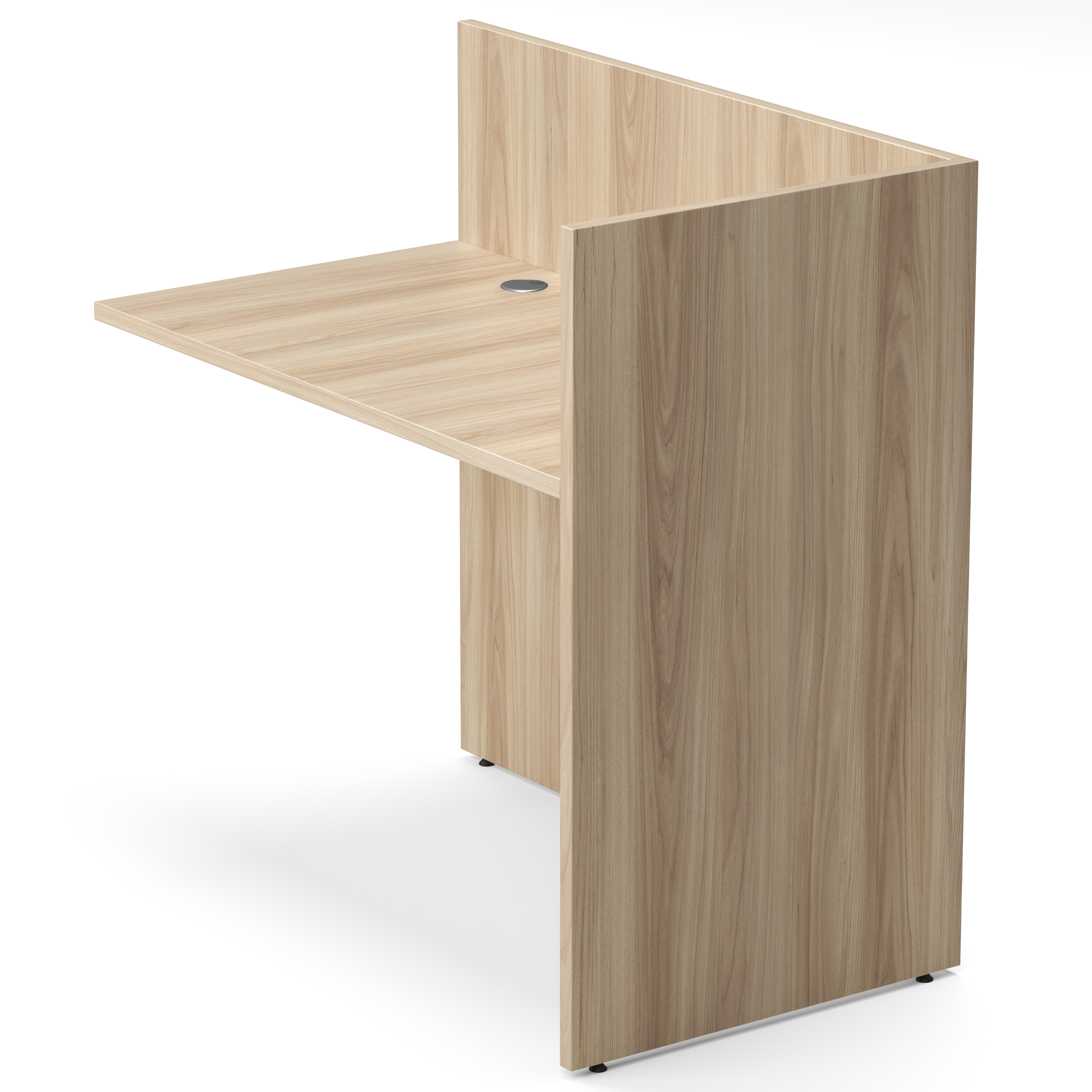
When comparing the OfficeSource | OS Laminate | Transaction Top with the OfficeSource | OS Laminate | Reception Return Shell, the difference comes down to interaction versus workspace. The Transaction Top is ideal when you want a defined guest-facing surface that improves privacy and creates a clean handoff zone for visitors. The Reception Return Shell, on the other hand, gives staff more room for devices, paperwork, and storage coordination.
Both use OS Laminate construction, so you’re getting a coordinated look, but the transaction top leans toward separation and visitor flow while the return shell supports day-to-day productivity. I’d usually recommend the transaction top for busy lobbies, check-in counters, and high-traffic reception areas. The return shell is a better match for admin-heavy offices, scheduling desks, and spaces where elbow room matters. If your office furniture layout also includes matching desks, chairs, tables, seating, and storage, either piece can blend in well. Bottom line: if privacy and customer flow matter most, lean transaction top. If productivity and workspace expansion matter most, choose the return shell.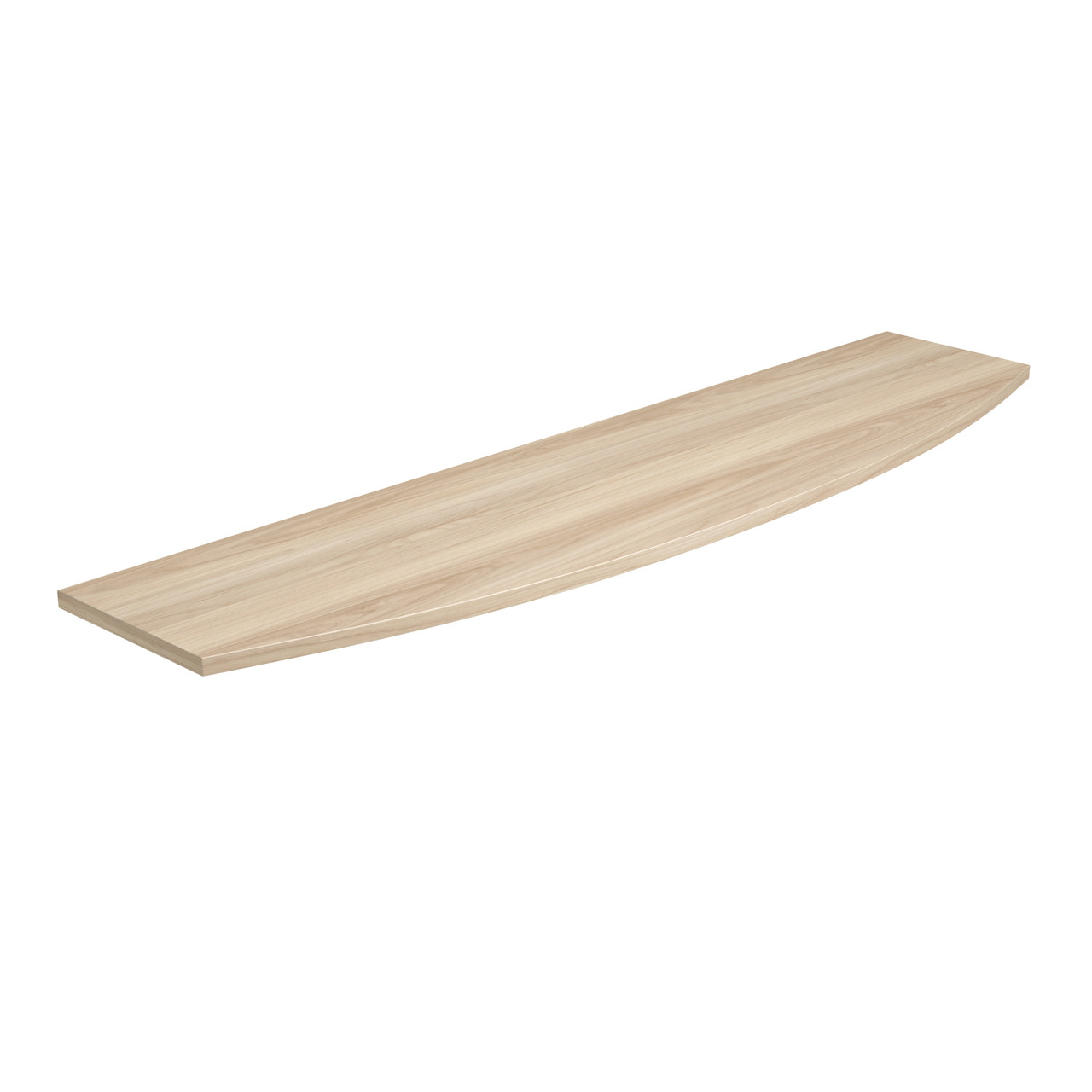
How do you set up a reception desk that actually works?
Start with measurements. Map the lobby, the entry path, and any seating so the reception desk doesn’t block doorways or create a weird bottleneck. Then decide what the desk must do: greet guests, handle calls, process paperwork, or all three. That answer shapes everything else.
Next, place power access and cable routing where staff can actually use them. Honestly, cord chaos is one of the most common mistakes I see. Set the height and orientation so the desk feels comfortable for staff while keeping sensitive screens out of direct view. Add coordinated chairs, tables, and seating nearby so guests aren’t left standing awkwardly. Quick tip: keep frequently used storage within arm’s reach and leave the surface as open as possible. Then test the workflow for a week. Watch for bottlenecks, sightline issues, and privacy gaps. If something feels off, adjust it. A good setup is about function first, then polish. The polished part comes easier when the basics are already right.Conclusion
The smartest reception desks do more than fill space—they improve first impressions, support staff productivity, and keep the front office organized. If you’re shopping for one, focus on the same core factors we’ve covered: features, benefits, use case, and budget. That’s usually where the real answer shows up. Office furniture planning works best when reception, desks, chairs, tables, seating, and storage feel like one system instead of separate purchases.
In my experience, offices are happier when they choose the desk that matches real workflow instead of chasing a showroom look. A beautiful reception desk is great, sure, but if it creates clutter or slows people down, the shine wears off fast. Compare products carefully, think about privacy and traffic, and choose a reception desk that fits today’s needs while leaving room for growth. If you’re ready to narrow things down, browse the options, compare finishes, and pick the reception furniture that feels right for your space. A confident choice now can save a lot of hassle later—so take a look at the reception furniture category and start with the desk that fits your office best.Frequently Asked Questions
Common questions about Reception Desks