Which Task Work Chair Should You Buy for Better Comfort, Focus, and Value?
Have you ever sat in a chair that looked fine but left you sore by 3 p.m.? Task work chairs are the daily drivers of office seating, powering long stretches, quick meetings, and focused work. The right one supports posture, circulation, and productivity in busy offices, home offices, and hybrid setups. In Indianapolis, Indiana, buyers are balancing budget, durability, and comfort more than ever. Not every premium chair is worth it. Sometimes a smart mid-range pick wins. Explore chair options and standing desk setup decisions, plus trusted commercial seating from OfficeSource’s official website.
What Actually Makes a Good Task Work Chair?
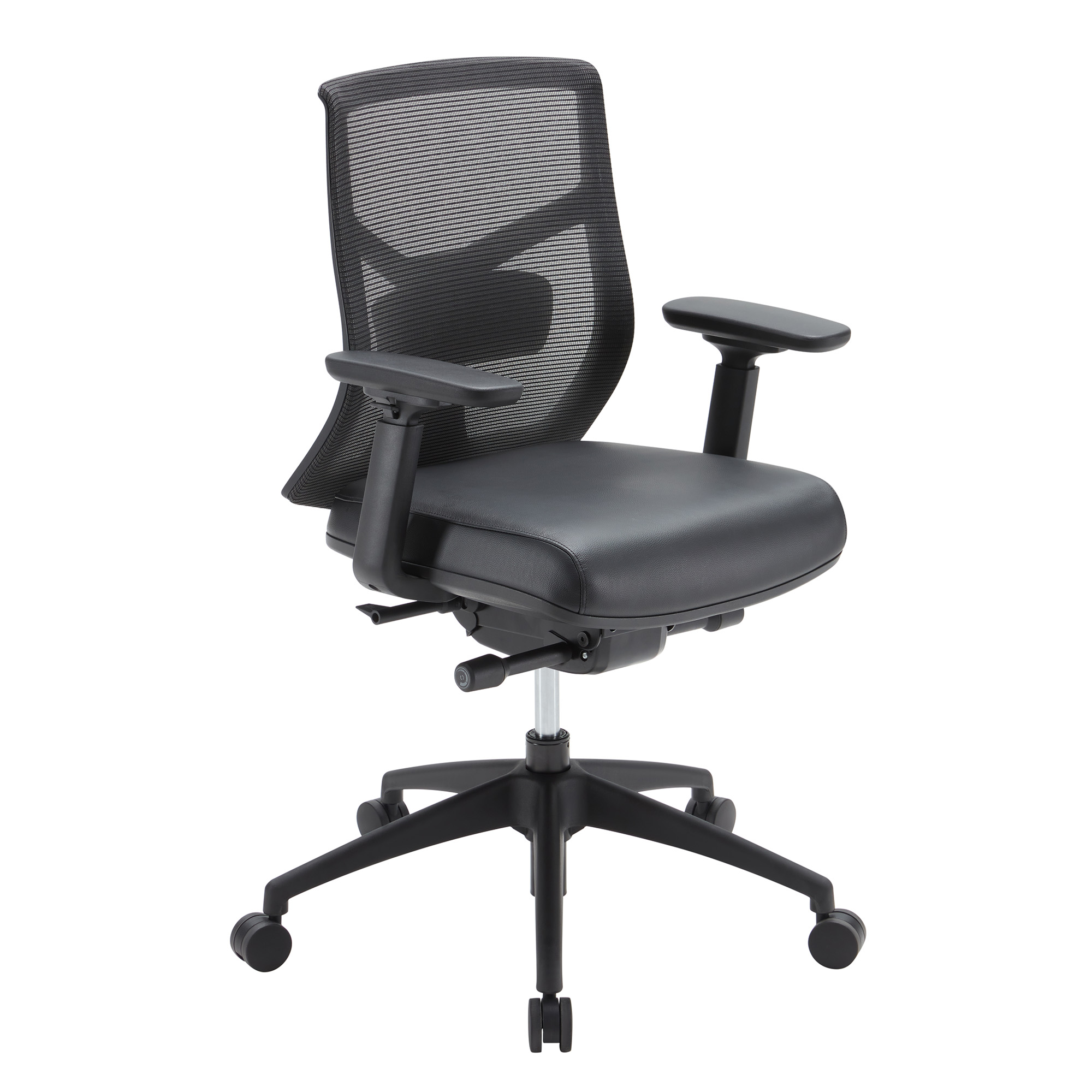
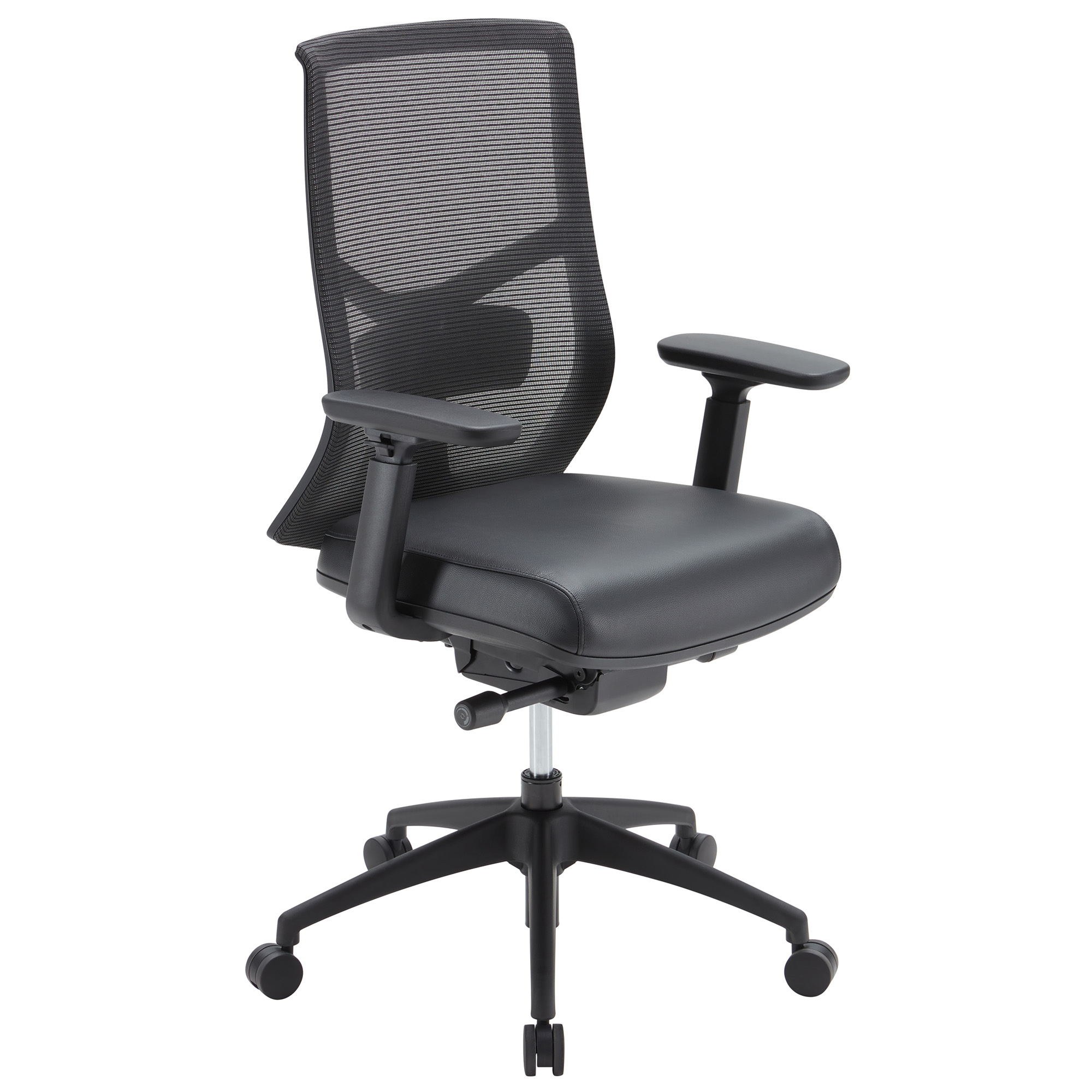
A good task work chair starts with the basics: adjustable seat height, lumbar support, seat depth, armrest adjustability, tilt tension, and breathable materials. Those specs sound simple, but they change how your body feels after a few hours. A chair with synchro-tilt, a waterfall seat edge, and strong ergonomic adjustability usually keeps pressure off the lower back and thighs, which can make a real difference in day-to-day office use. If someone sits six to eight hours a day, they generally need more seat support than a person who only uses a chair for brief meetings.
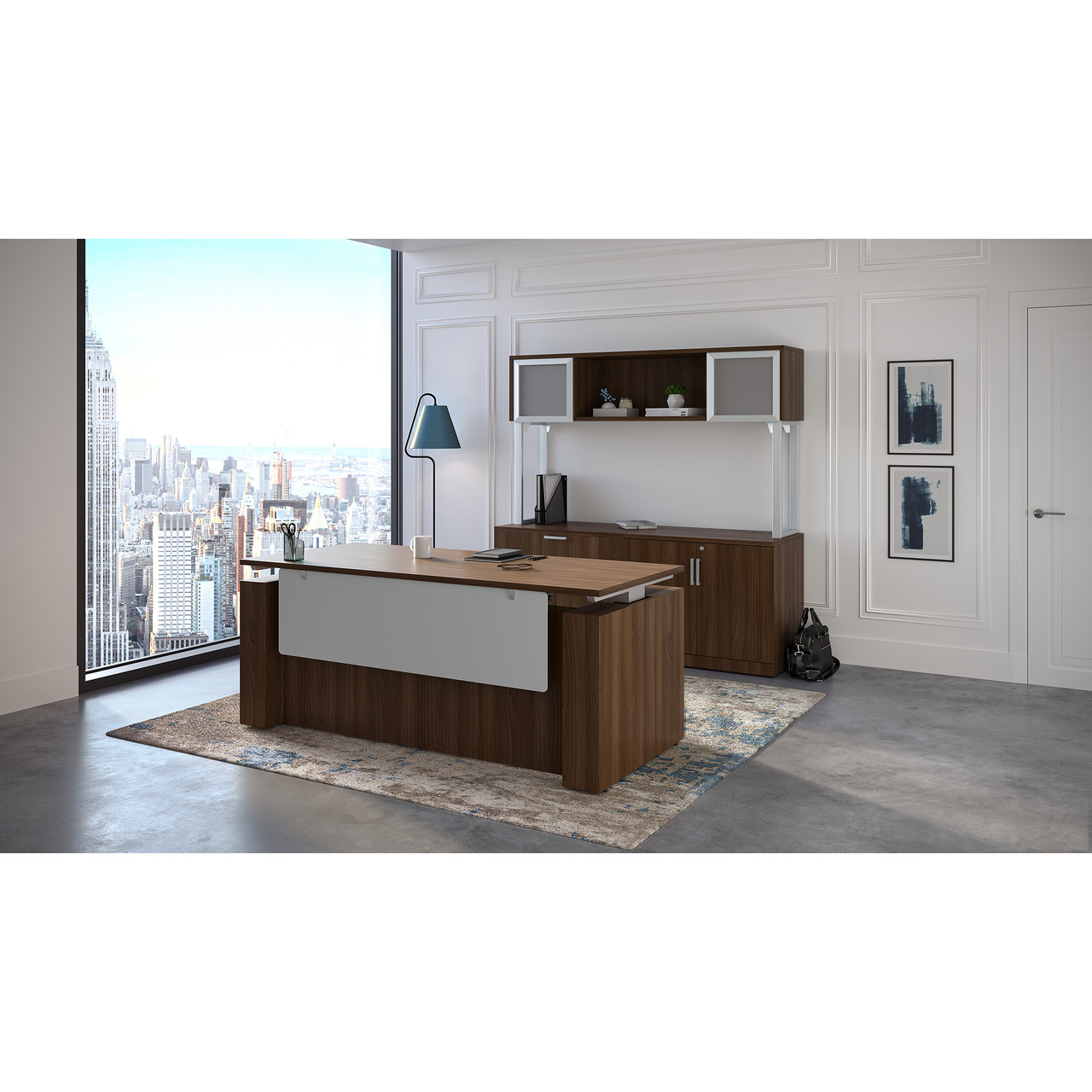
Quick Win: prioritize adjustability before style. In my experience, that one decision saves a lot of regret later. A few practical points: adjustable lumbar support helps reduce lower-back strain; mesh backs improve airflow, especially in warmer months; armrests matter more than people think for shoulder relief; and seat sliders help fit different body types. That matters because chairs are only one part of the workspace system. Desks, tables, storage, and even reception furniture all affect how useful a chair really is. I’ve seen offices buy a great-looking seat and then pair it with the wrong desk height—awkward all day. The best task work chair is usually the one that fits the user, not the flashiest spec sheet. If you’re comparing models, start with task chair categories and build from there.How Task Work Chairs Improve Comfort and Daily Performance
A well-designed task work chair can improve concentration, reduce the micro-distractions caused by discomfort, and support longer work sessions without constant fidgeting. That sounds small, but those tiny interruptions add up fast. A good chair is like a good pair of shoes—you barely notice it when it works, but you definitely notice when it doesn’t. In my experience as someone who has spent far too many hours in office setups, the best purchases are the ones that quietly reduce daily friction.
That usually shows up as fewer posture complaints, better team morale, and less need to replace chairs every few years. On the other hand, premium options aren’t always the best value. If a team rotates desks or uses hot-desking, a durable mid-tier task work chair with solid core ergonomics may deliver better ROI. Common Mistakes to Avoid: buying for looks only, ignoring seat depth, skipping adjustability, and overlooking warranty coverage. Sustainability matters too; certified-green materials and longer-lasting construction are getting more attention because buyers want office furniture that lasts and supports responsible purchasing. A task work chair is a small line item that can have a big effect on comfort, focus, and long-term satisfaction—especially when the workday is already busy enough.Where Task Work Chairs Fit Best in Real Offices
Task work chairs are most helpful where people actually do the work: private offices, open-plan workstations, collaborative zones, administrative desks, IT support stations, and home offices. In a busy Indianapolis, Indiana office, you might have one employee sitting all day on spreadsheets, another jumping between calls, and a third only at their desk for short bursts. Each person needs different seating support, which is why the task work chair stays such a flexible choice. It plays well with desks, tables, and storage areas, keeping the whole workflow moving.
Think about the operations manager who moves between computer work and quick team check-ins, the receptionist who needs all-day comfort, or the remote worker who wants a compact but ergonomic chair without cluttering the room. Seasonal comfort matters too: breathable mesh is often better in summer, while thicker cushions can feel cozier in colder months. If your shared space includes visitors or lounge areas, the logic behind how reception seating shapes first impressions can help with broader seating strategy. Still, not every workspace needs a top-tier ergonomic chair. Sometimes a simple, well-built model is enough. The key is matching the task work chair to actual use, not just where it sits.How to Choose the Right Task Work Chair Without Overspending
Here’s the practical buying process I usually recommend: 1) measure the workspace, 2) identify daily sitting time, 3) list must-have adjustments, 4) compare materials and warranty, 5) test the chair if possible, and 6) balance budget against expected lifespan. That last step matters more than people think. A task work chair should be evaluated on total value—comfort, durability, and maintenance—not just sticker price.
Pro Tips: check caster type for carpet vs. hard floors, confirm weight capacity, and make sure chair height matches the desk. Soft dual-wheel casters can make a big difference on office flooring, especially in active environments. Sustainability is part of the decision too, since certified-green products are becoming more important in modern office furniture purchasing. The cheapest chair can end up being the most expensive one if it wears out quickly or causes discomfort. But the priciest chair isn’t automatically the smartest either. Match task work chair features to the real work pattern—full-time desk work, part-time admin use, or shared workstation rotation—and you’ll usually land on the best value.OfficeSource Task Chair Comparison: CoolMesh Pro vs. CoolMesh High Back
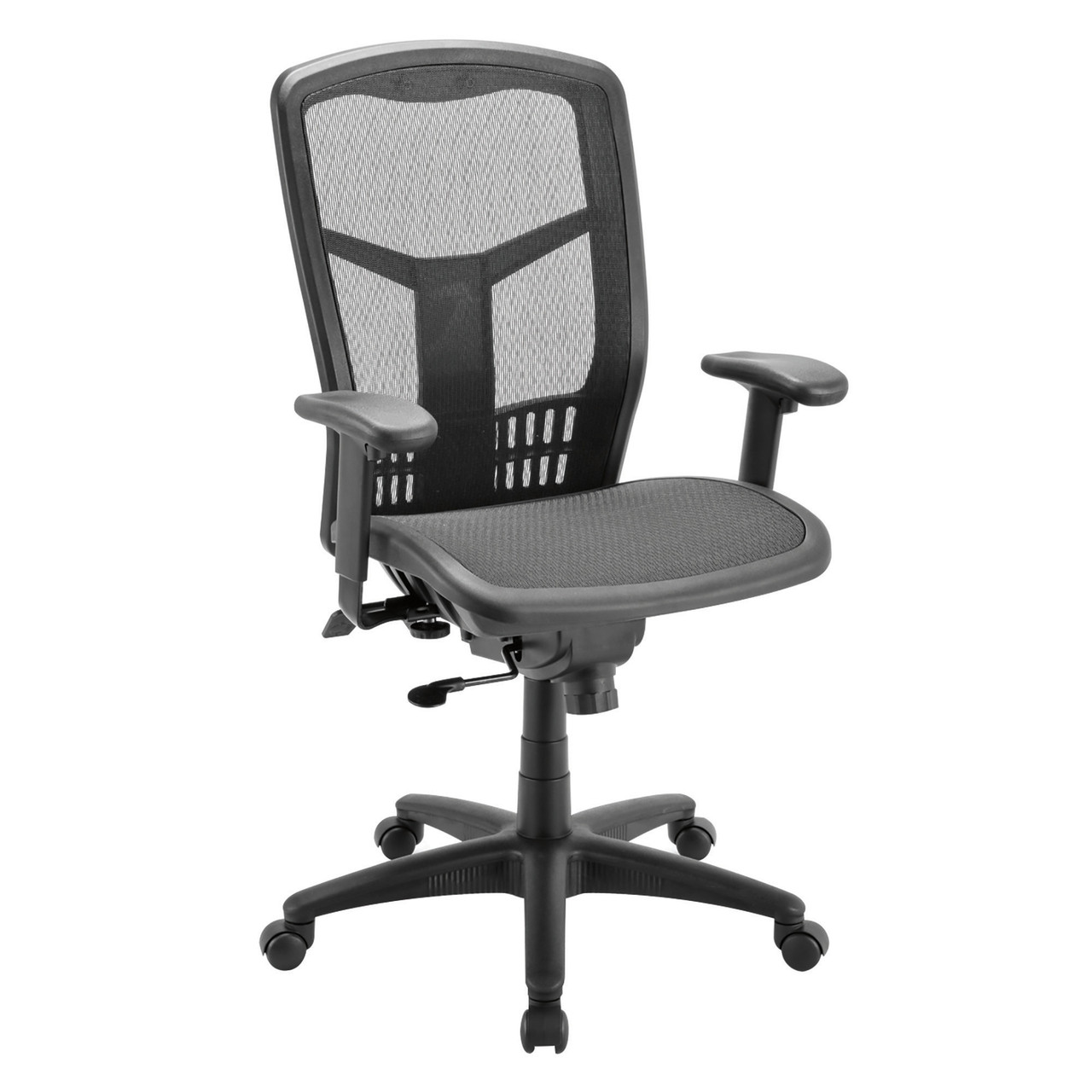
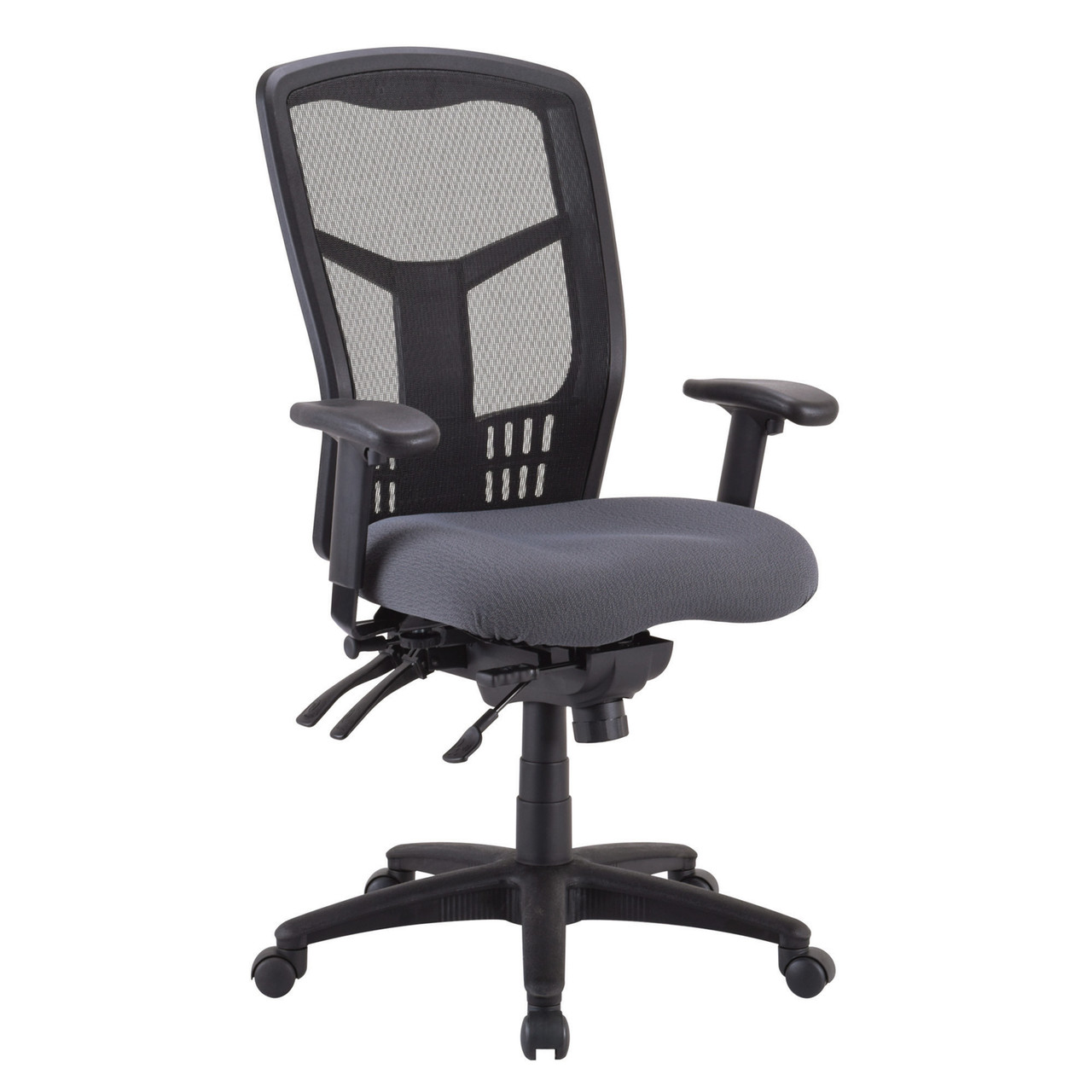
When comparing the CoolMesh Pro Collection with Soft Dual Wheel Casters and the CoolMesh Collection Multi-Function High Back with Seat Slider and Black Frame, the difference is pretty clear once you think about workflow. The CoolMesh Pro Collection leans into mobility and smooth floor movement, so it’s a smart upgrade for active office environments and shared workstations where chairs move often. Quieter rolling and better floor protection can be a real plus.
Meanwhile, the CoolMesh Collection Multi-Function High Back with Seat Slider and Black Frame focuses more on ergonomic adjustability. The high-back design and seat slider make it better for longer desk sessions and users who need more positional tuning. Both options can support productivity, but they do it in different ways. If your budget is focused on office efficiency, the caster set may be the simpler add-on. If long-hour comfort is the priority, the high-back chair often delivers more value. Choose based on workflow, floor type, and how much time people spend seated each day.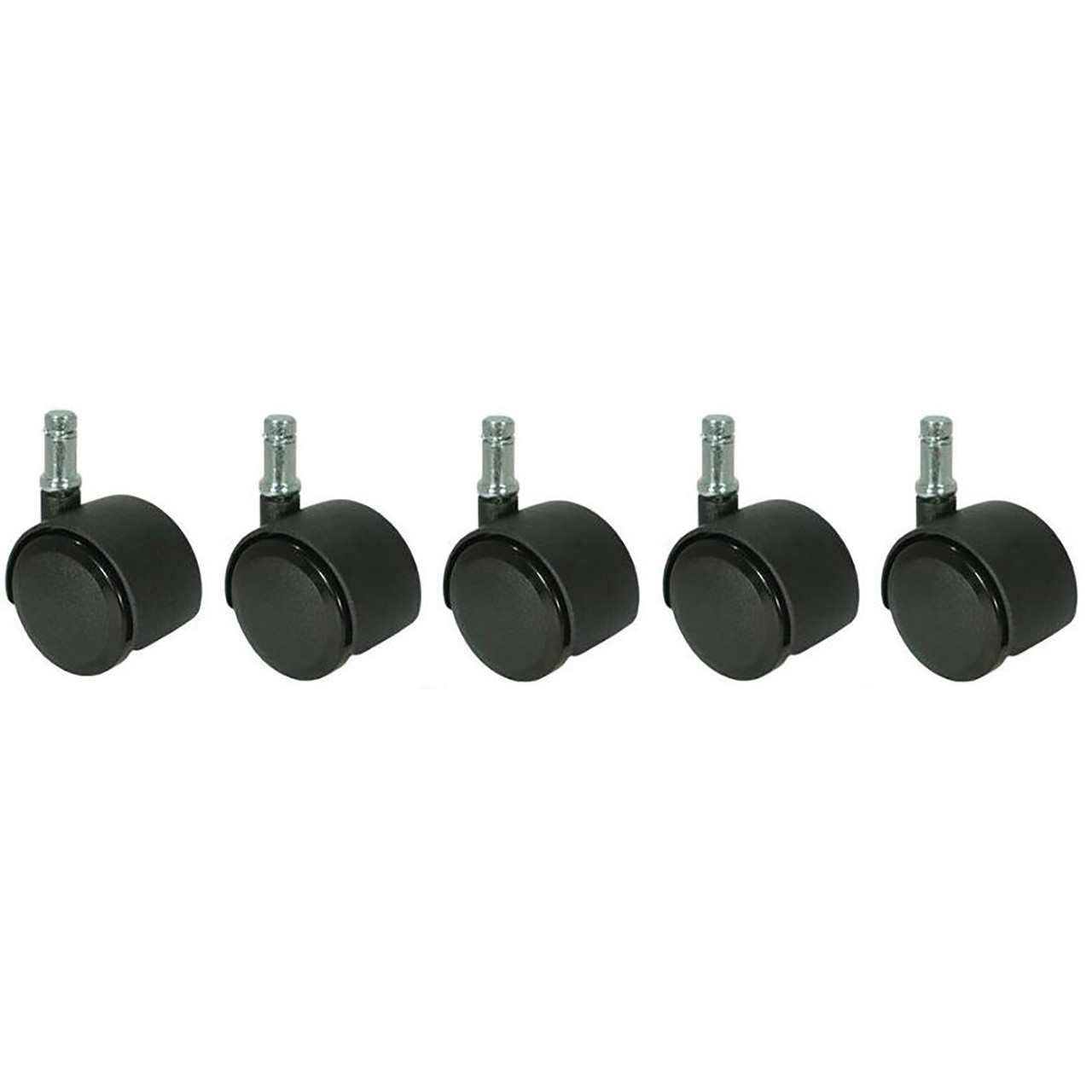
How to Set Up a Task Work Chair for Better Support
Start by adjusting seat height so your feet rest flat on the floor and your knees stay near a 90-degree angle. Then set the seat depth so there’s a small gap between the back of your knees and the seat edge. After that, position lumbar support so it sits in the lower-back curve, not too high or too low. Adjust the armrests so your shoulders stay relaxed and your elbows can bend naturally while typing.
Next, fine-tune tilt tension and recline so the chair supports movement without feeling loose or unstable. If the chair has a seat slider, use it to fit different leg lengths and improve circulation. If you feel pressure in the thighs, the seat may be too deep. If your lower back aches, the lumbar support may need adjustment. One thing I’ve learned: people often notice posture problems only after a week of daily use, so it’s smart to check setup again after that first stretch. A few minutes of setup can save months of discomfort—and that’s usually money well spent.Conclusion
Task work chairs are one of the most important pieces of office furniture because they affect comfort, focus, and day-to-day efficiency. The best choice usually balances ergonomic features, material quality, budget, and use case instead of chasing the highest price tag. It’s completely normal to compare a few options before buying, especially when outfitting offices, reception areas, or home workstations. In many workplaces, a chair upgrade is one of the fastest ways to improve employee experience without a major renovation.
That’s especially true in Indianapolis, Indiana, where practical seating has to work with desks, tables, and storage layouts without wasting space. Think about how the task work chair will be used most often—long meetings, focused computer work, or shared hot-desking. If you keep that use pattern in mind, the decision gets a lot easier. My advice: choose the chair that supports real work, not just the one that looks impressive in a catalog. A thoughtful purchase now usually pays off later. Start with task work chair categories and build from there.Frequently Asked Questions
Common questions about Task & Work Chairs