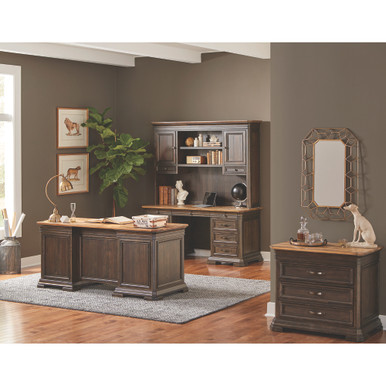
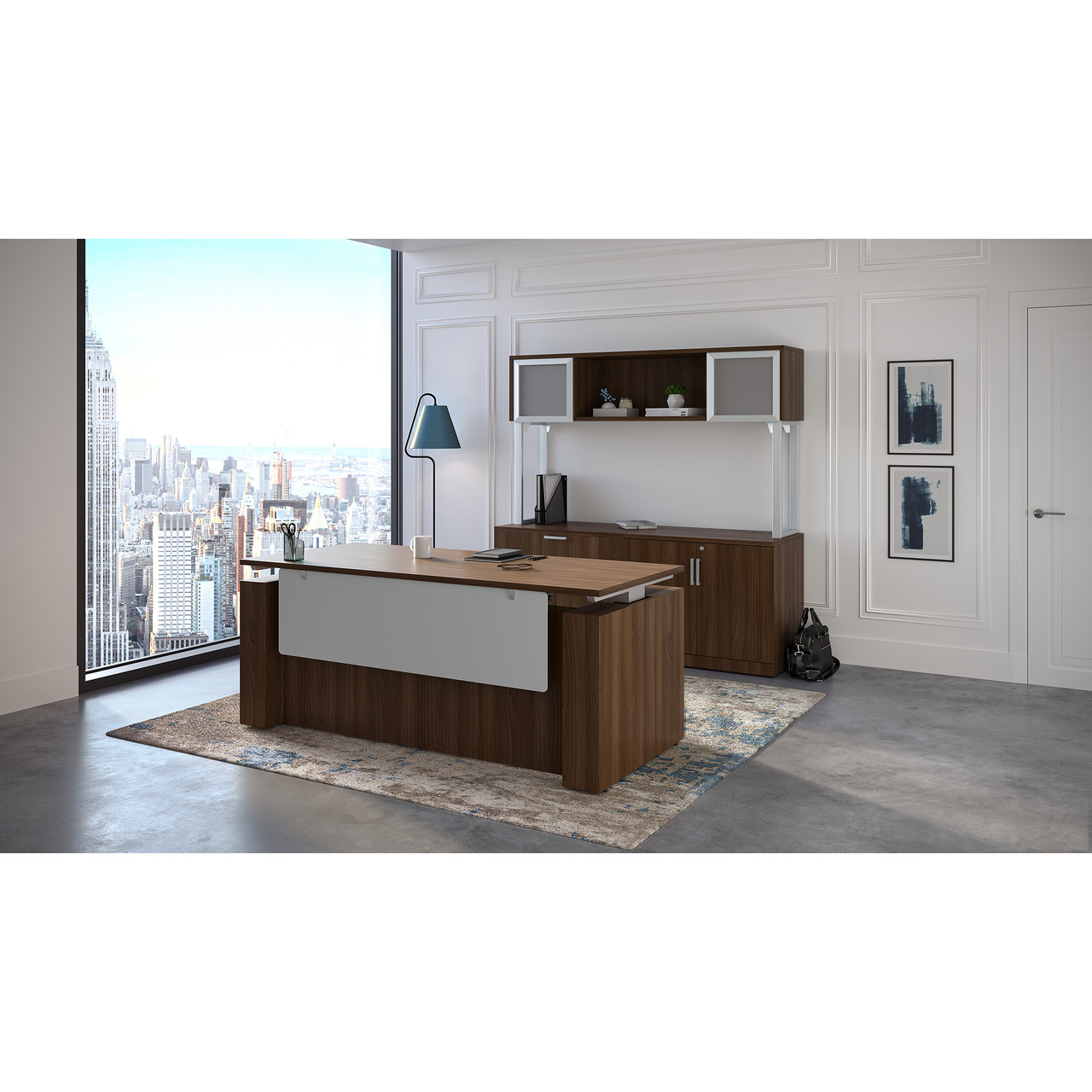
What Should You Know Before Buying an Executive Desk That Actually Fits the Way You Work?
If you spend hours at a desk, the right executive desk can change how your day feels. These desks are more than oversized furniture; they blend work surface, storage, presence, and durability into one setup. Office furniture trends in Indianapolis, Indiana and beyond are shifting toward practical, multi-use desks that balance style with function. Premium doesn’t always mean best, though. Browse current options at OfficeSource’s official website, then compare materials, storage, ergonomics, use cases, and ways to avoid overbuying.
What Makes a Good Executive Desk in Real Life?
A good executive desk starts with the basics: desktop size, leg style, finish, cable management, storage, and surface durability. In real life, that means room for a laptop, dual monitors, paperwork, chargers, and maybe a docking station or monitor arm.
In my experience, a desk can look amazing in a showroom and still feel awkward after a week if the depth is too shallow or the drawers land in the wrong place. Practical specs matter: 30" to 42" widths for return or add-on components can make a layout more flexible. Laminate usually wins on easy maintenance, wood-look finishes bring warmth, and industrial metal details suit tougher, more modern spaces. I’d also match the desk to the rest of the office furniture—chairs, tables, seating, reception, and storage—so the whole workspace feels intentional instead of pieced together. If you’re browsing a broader executive desks category, pay attention to how the pieces work together, not just how they photograph. The best executive desks usually strike a balance between style and day-to-day usability, not just appearance.Why Executive Desks Often Pay Off More Than You’d Expect
Executive desks often pay off because they improve workflow in ways people notice fast. When you have enough room to spread out, keep materials organized, and reduce clutter, focus usually gets better. That’s not magic; it’s just less friction. A more substantial desk can also signal authority in a private office, client-facing setting, or leadership suite—something that still matters in professional spaces where first impressions count.
That said, premium options aren’t always worth it if the office is temporary, shared, or changing soon. I’ve seen teams overspend on a beautiful desk only to replace it six months later because the layout shifted. On the other hand, a durable executive desk can save money over time by avoiding early replacement, especially in high-traffic offices or teams that use the same space every day. Think about a manager in Indianapolis who needs a quiet place for video calls, a small business owner who wants one desk for admin tasks and meetings, or a hybrid employee using an executive desk as a home-office anchor. Long-lasting furniture usually creates less waste, too, which is a nice bonus. If you’ve read what makes an executive desk stand out in your office or what to look for in a desk that works all day, you already know the payoff is usually practical before it’s visual.Where Executive Desks Work Best in Today’s Offices
Executive desks work best where both presence and function matter. That usually means private offices, corner setups, leadership spaces, reception-adjacent work areas, and compact department hubs. Law firms, medical practices, consulting offices, and admin suites often use them because they create a polished look without giving up storage or surface area.
But desks, chairs, tables, and storage should be planned together—otherwise, the room can feel cramped fast. One mistake I see a lot is buying a desk that blocks walking paths. Another is forgetting cable routing, chair clearance, or how a finish will wear under daily use. Dark glossy surfaces can look sharp, but they often show fingerprints and scratches sooner than laminate or textured finishes. Expert advice? If your office gets seasonal traffic changes or frequent client visits, choose an executive desk that handles everyday work and presentation mode. A clean top, stable frame, and enough storage can make the room feel ready in seconds. For teams mapping out layouts, the executive desks category is a helpful place to compare shapes and support pieces. At the end of the day, the right executive desk should fit the room and the workflow, not just the wishlist.How to Choose the Right Executive Desk Without Guessing
Start by measuring the room—wall clearance, chair space, and nearby storage or reception furniture all matter. Then work through a simple framework. Step 1: define the primary use. Is this for deep work, meetings, paperwork, or leadership visibility? Step 2: decide whether you need a return, credenza, or add-on support piece. Step 3: match materials and finishes to the office style and the maintenance level you can realistically keep up with. Step 4: compare storage needs, cable management, and durability. Step 5: set a budget range and sort must-haves from nice-to-haves.
A quick win: sketch the layout with painter’s tape or a simple floor plan before you buy. It sounds basic, but it saves headaches. Also check door swing, outlet locations, and monitor placement—those small details can turn a great desk into a daily annoyance. If you want deeper guidance, these layout and comfort considerations are worth keeping in mind. My honest take? The smartest office furniture choice is usually the one that fits how you actually work, not how you imagine working someday.OfficeSource Executive Desk Options: Which One Fits Your Setup?
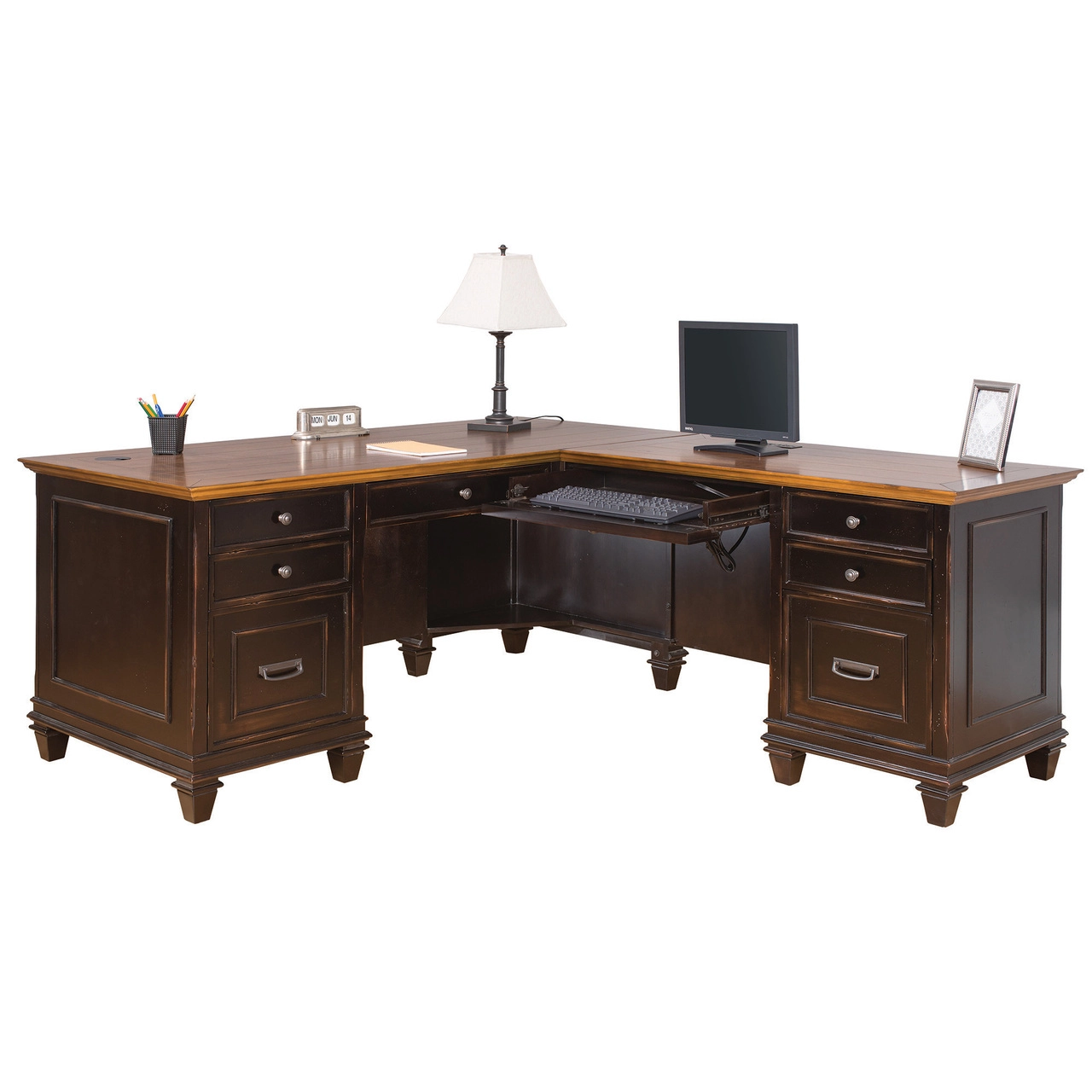
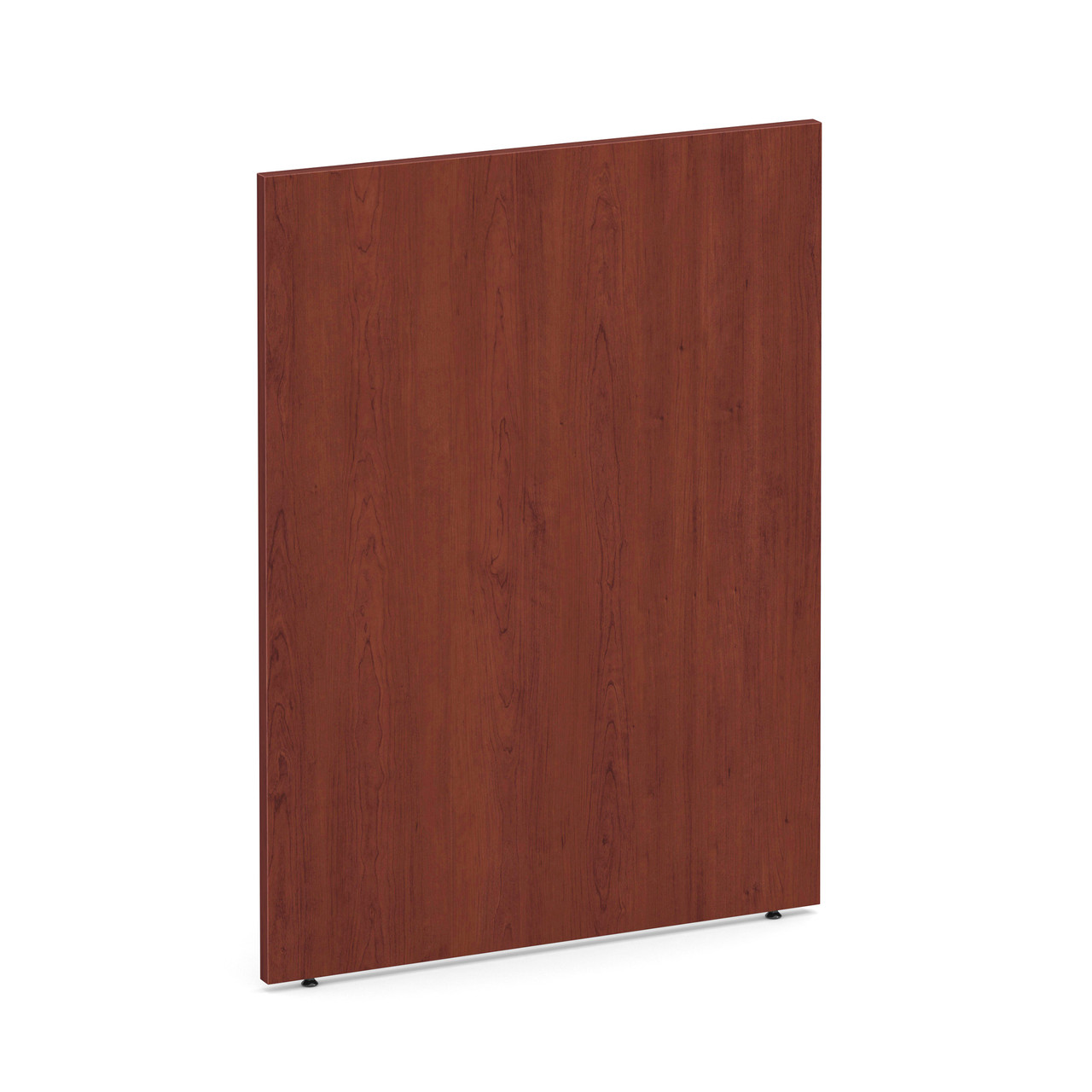
If you’re comparing executive desks, these two pieces solve different problems. The OfficeSource | Epitome | Industrial Return with Metal Corners - 42"W is the better pick when you want to expand a main executive desk into a larger work zone. It adds usable surface area, distressed brown character, and metal corners and legs that lean into an industrial look. That makes it a strong choice for multitasking, paperwork, and client-facing presence. The OfficeSource | OS Laminate | 30"W End Panel Leg for #OST131T, by contrast, is more of a support component. It’s designed for 30"D tops and Q or Bullet tops, so it’s ideal when you need stability and a clean finished edge rather than a bigger footprint.
In other words, the first option helps you work bigger; the second helps you build smarter. If you’re still sorting out how executive desks stand out in a professional office, focus on workflow first: do you need more usable space, or do you need to complete and stabilize the desk system?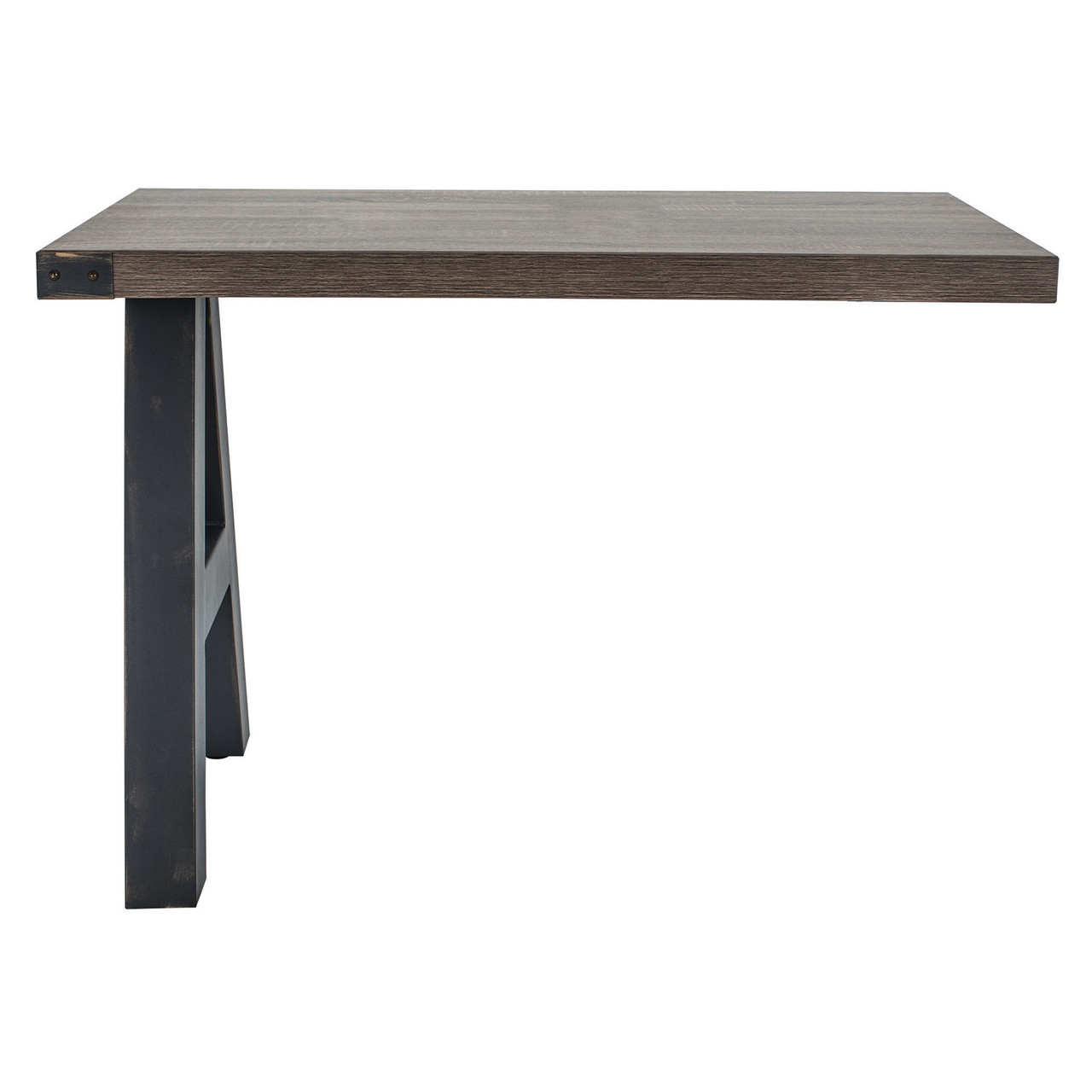
How to Set Up an Executive Desk for Better Daily Workflow
Set up an executive desk the way you’d tune a good workstation: start with the room, not the accessories. Place the desk where natural light won’t create screen glare. Then set your chair so your elbows sit near 90 degrees and the monitor is at eye level.
Route cables early—don’t wait until the cords turn into a mess behind the desk. Add task lighting, a docking station, or a monitor arm if your work relies on multiple screens. After that, divide the surface into zones: primary work, reference materials, and storage/access items. If the desk includes a return or support panel, use it for a printer, files, or equipment that doesn’t need to stay in the main work zone. One thing I’ve learned from setting up plenty of offices: the first layout is rarely the final one. Give it a week, then adjust. Wipe finishes regularly, check fasteners occasionally, and tweak placement if something feels off. That little reset usually reveals what’s working and what’s not.Conclusion
At the end of the day, executive desks should do more than look impressive. They need to support real work, fit the room, and match the pace of the office. The big decision points are pretty clear: size, materials, storage, support pieces, and overall value. Sometimes a simpler desk is the better investment, especially if the office is evolving or the budget is tight. On the other hand, a well-built executive desk can become the anchor of the workspace for years, which is why I usually lean toward durability over flash. The best office furniture choices come from balancing aesthetics, durability, and practical use, not chasing the loudest option in the catalog. So compare layouts, think through daily tasks, and choose a setup that supports focus, comfort, and a professional look. If you’re ready to upgrade, explore the right fit in the executive desks category and pick a desk that works as hard as you do.
Frequently Asked Questions
Common questions about Executive Desks