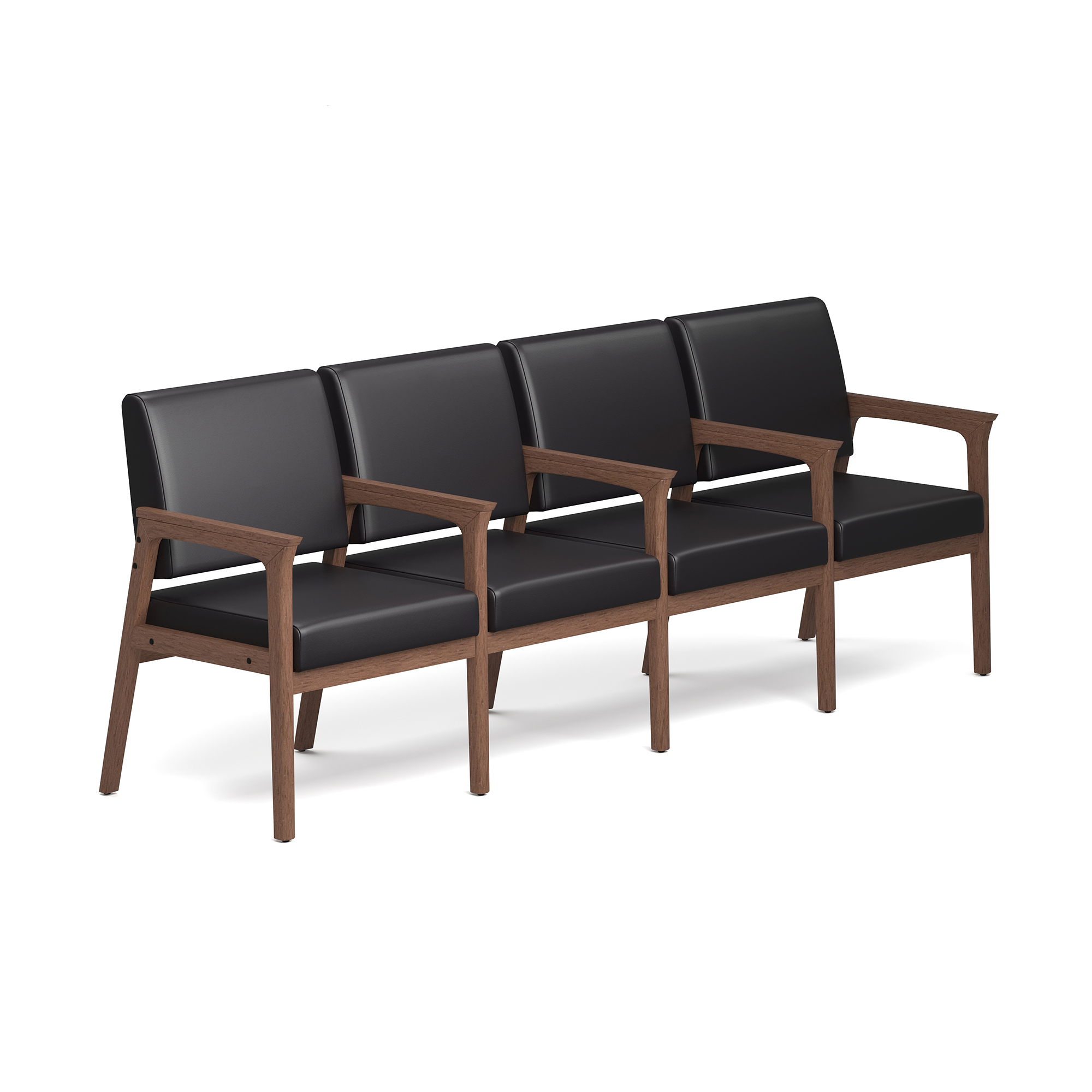
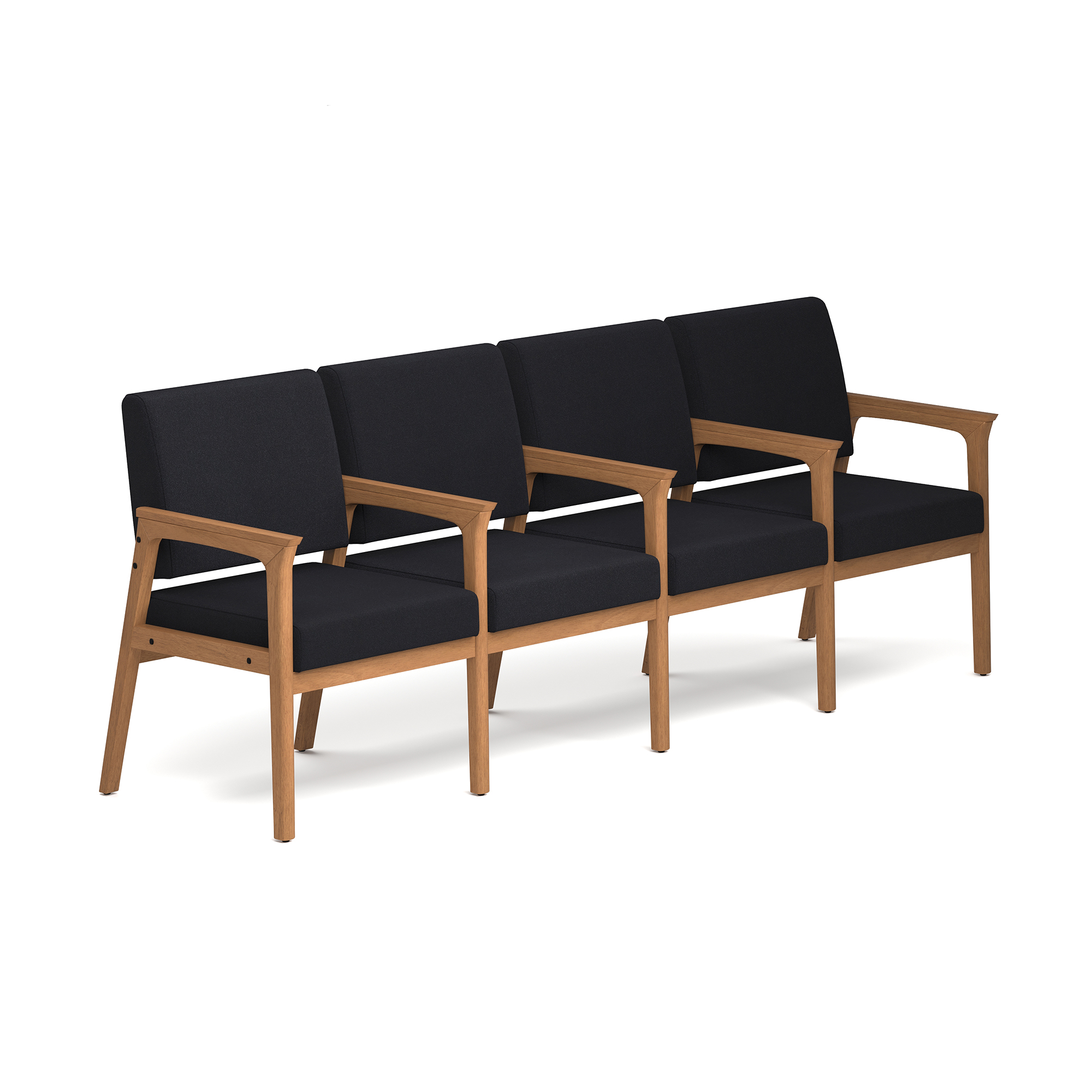
Which Guest Seating Setup Fits Your Office Best: Aiden Half Arm or Aiden Full Arm?
In many offices, guest seating is the first thing people notice after the reception desk. Too often it gets treated like an afterthought, yet it shapes first impressions, comfort, and how long visitors stay relaxed. In Indianapolis layouts, where desks, chairs, tables, storage, and reception flow all compete for space, that matters. This guide helps you choose seating that looks good, performs well, and fits your budget. Compare the two Aiden options, and remember: premium isn’t always necessary. For broader criteria, see this guide on choosing guest seating for offices. What do your guests actually need when they sit down?
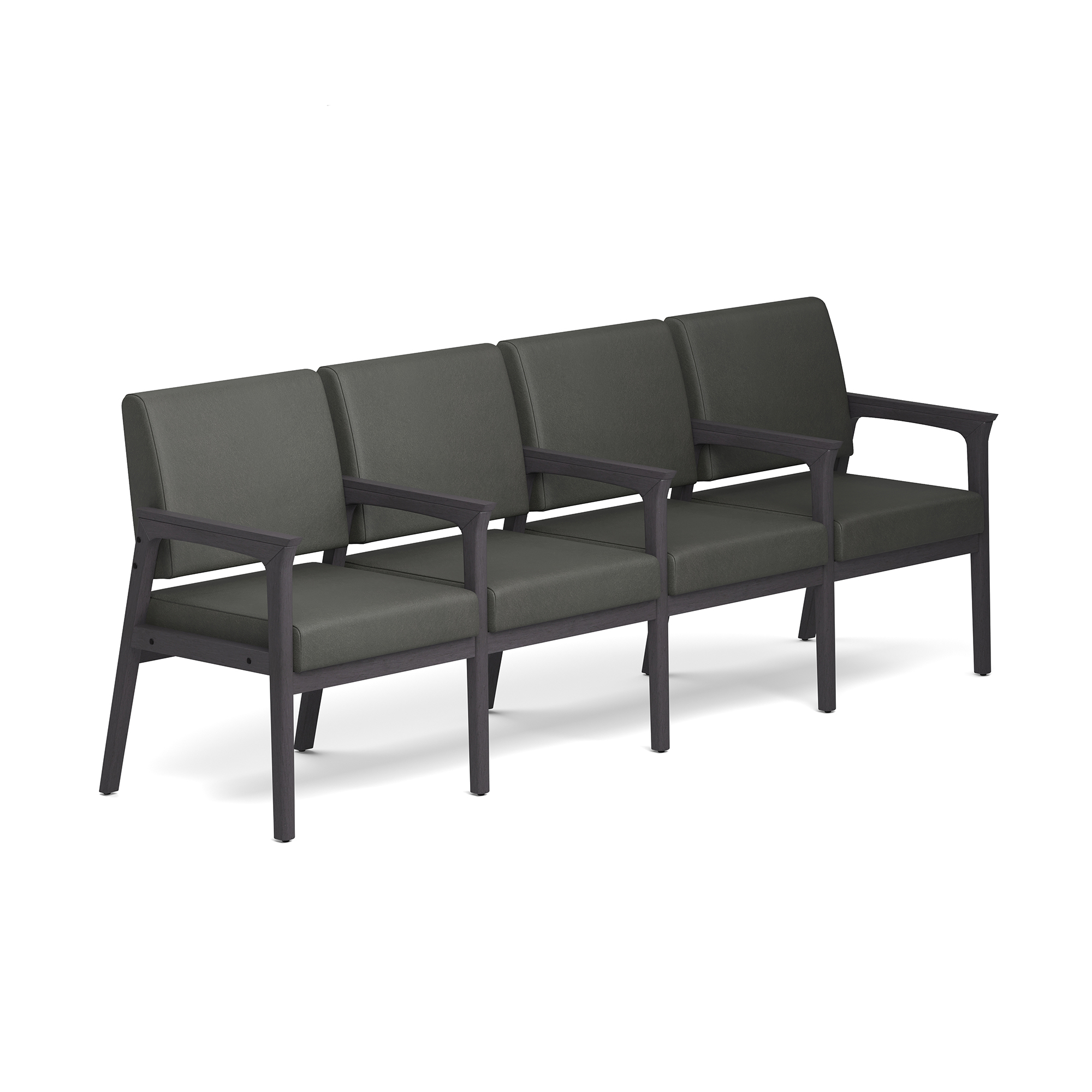
What Guest Seating Has to Do Beyond Looking Nice
Guest seating has a real job: welcome people, support posture, survive daily traffic, and fit the room without crowding it. That means looking past the showroom shine and checking the details that matter—padded seats, arm style, frame stability, upholstery quality, and easy maintenance. In my experience, offices often obsess over appearance and forget use patterns. Will visitors wait five minutes or forty-five? Does the space serve clients all day, or is it just for quick check-ins? Seat width, arm configuration, cushioning density, and modular flexibility all affect comfort and circulation, especially near a guest seating category page where options need to work hard.
Better guest seating can reduce that “temporary furniture” vibe, improve brand perception, and make the reception experience feel smoother. A law office usually needs a more polished, durable look; a medical waiting room needs easy-clean materials; a corporate lobby needs pieces that hold up without feeling stiff. I’ve seen plenty of offices in Indianapolis where the right chair quietly did more for the space than a new paint color. The best part? Good guest seating often saves money later because it doesn’t need to be replaced as quickly. That’s the kind of value people notice after the fact, when the room still looks composed and the seating hasn’t gone saggy or tired. Small detail, big payoff.How Design, Arm Style, and Layout Change the Whole Room
The shape of guest seating changes the whole feel of a reception area. Half arms usually look lighter and more open, while full arms create a more structured, individual seating experience. Neither is automatically better; it depends on the room and the traffic pattern. If seating sits near desks, tables, or storage, those inches matter. Sightlines, aisle width, and flow can make a room feel calm—or weirdly boxed in.
Market trends are pushing toward flexible layouts, softer hospitality-inspired furniture, and pieces that can pull double duty in reception and meeting spaces. That said, premium styling isn’t always worth the extra spend if the area is small or lightly used. On the other hand, when visitors come through all day, extra polish can pay off in perceived professionalism. I think that’s especially true in offices where the front room acts like a handshake before the actual meeting. A tech office in Indianapolis may want airy guest seating to match modern desks and tables. A medical practice may prefer full-arm seats that feel calmer and more defined. The same footprint can send very different signals. So yes, layout is part design, part strategy, and part common sense. If the room feels easy to move through, people usually read the whole office as more organized.Why Comfort and Durability Drive Real Value
Comfort and durability are the two big long-term value drivers. Start with comfort: generous padding, supportive seat structure, arm support, and a stable sit that doesn’t wobble or sag after heavy use. Comfort isn’t just a nice extra—it affects how guests perceive the whole office. If someone is waiting to meet sales, HR, or IT support, they notice whether the chair feels welcoming or worn out. That first impression tends to stick.
Then there’s durability: frame construction, upholstery wear resistance, and the ability to handle daily use without looking tired. In busy offices, clinics, and shared reception areas, furniture gets touched, bumped, and used hard. Sometimes a mid-range seat is the smartest buy because it balances performance and cost better than a premium option. I’d rather see an office buy the right chair once than “upgrade” twice in two years. Good guest seating also fits into a broader furniture plan alongside chairs, tables, and storage, so the room feels cohesive instead of patched together. You can browse matching options in the office seating category if you want to keep the look consistent. And there’s a sustainability angle too: fewer replacements usually means less waste and less budget churn. Good seating doesn’t just fill space; it protects the office’s image.When the Aiden Line Makes Sense for Modern Offices
The OfficeSource Aiden line is a modern, flexible guest seating option for offices that want a clean look without giving up comfort. If you want to review the brand itself, OfficeSource’s official website is a helpful place to start. The line’s shared strengths are pretty straightforward: modern design, generous padding, and enough adaptability to work in reception areas or office seating zones. In other words, it feels intentional without being fussy.
I usually think it fits best in professional services, client-facing offices, coworking spaces, and corporate lobbies. It works especially well when the seating needs to coordinate with desks, chairs, and tables already in place. If your reception area changes often, flexible seating is usually more valuable than furniture that looks impressive but is hard to move or scale. That’s a lesson I’ve seen play out a lot in fast-growing offices. One simple rule: measure the room first, then think about guest count. People reverse that all the time and end up cramming too much into too little space. Modern guest seating should feel easy to live with, not precious. Practical, durable, and clean-looking tends to win in the long run—and honestly, that’s usually what clients remember most.OfficeSource Aiden 2-Seater with Half Arm vs. Aiden Single Seat with Full Arm
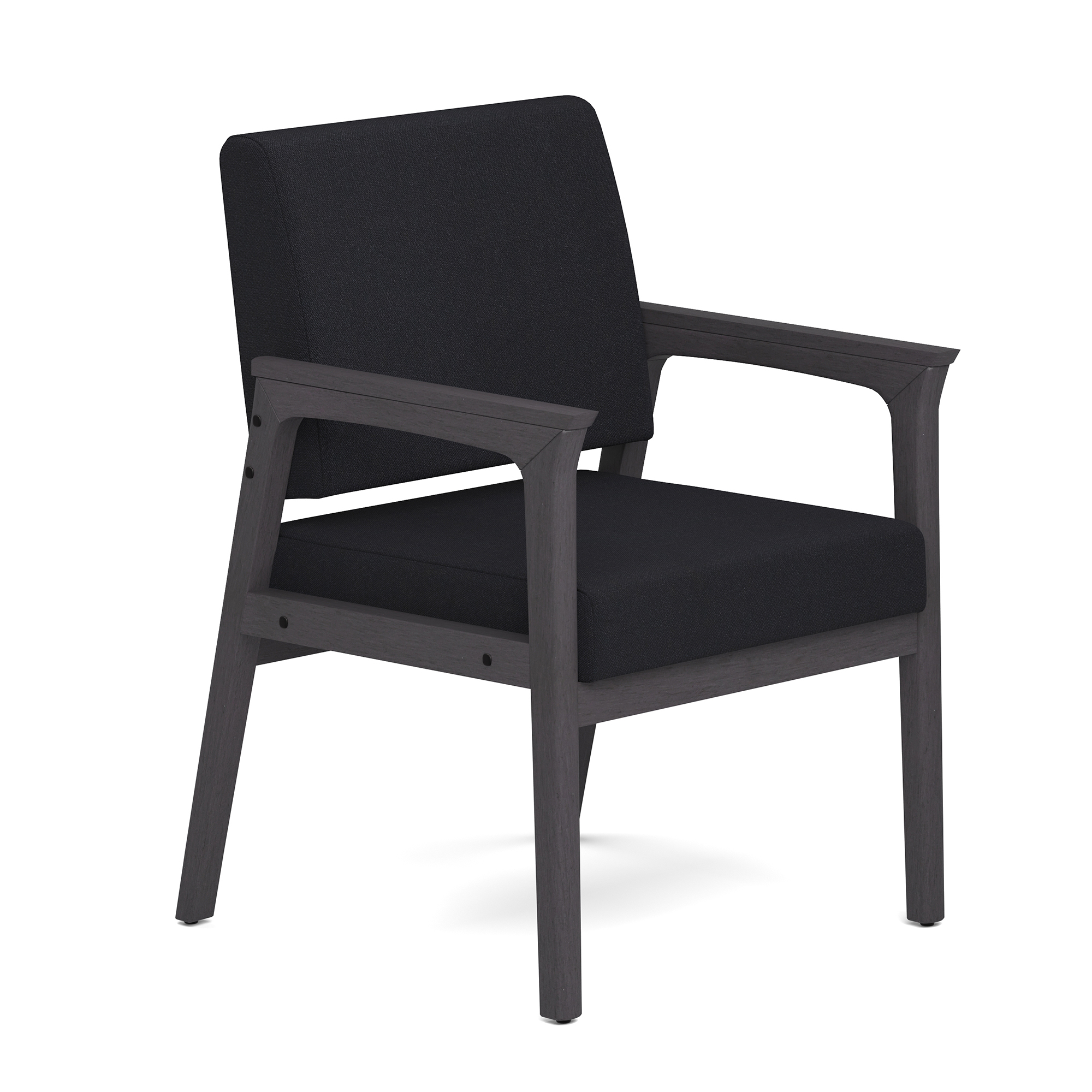
When you compare the OfficeSource Aiden 2-Seater with Half Arm and the OfficeSource Aiden Single Seat with Full Arm, the biggest difference is how each one uses space and shapes the visitor experience. The 2-seater is usually the better fit when you want efficient seating capacity, a more open visual layout, and better use of limited floor space in reception areas. The half arm design keeps the profile lighter, so the room feels less boxed in.
By contrast, the OfficeSource Aiden Single Seat with Full Arm creates a more individual, defined guest experience. That makes it a stronger choice for private offices, medical waiting areas, or executive reception spaces where the seat itself needs a little more presence. Both options share padded seating and modern styling, but they solve different problems. If you want shared flexibility, go with the Aiden 2-Seater with Half Arm. If you want a more premium, personalized feel, the Aiden Single Seat with Full Arm is the better pick. If you need to fit more people without crowding the room, the 2-seater usually wins. If you want a more substantial, individualized look, the single seat may be worth it. Either can work well, depending on traffic and room size.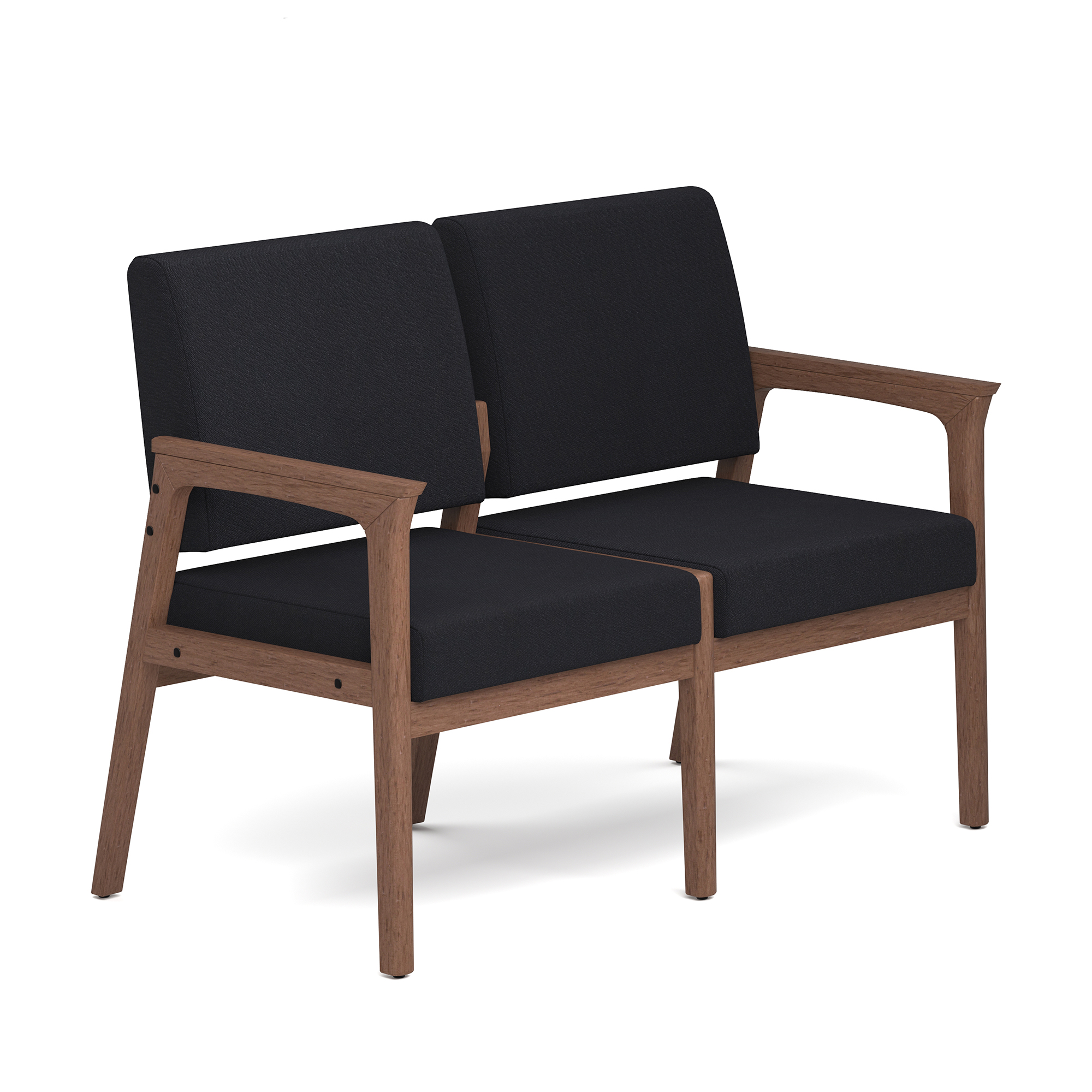
How to Choose the Right Guest Seating Without Guessing
Here’s a simple way to choose guest seating without guessing. Step 1: measure the reception or waiting area carefully, including walkway clearance and space near desks, tables, and storage. Step 2: estimate daily visitor traffic—low, moderate, or heavy—because that usually decides whether you need individual seats or more compact shared seating. Step 3: pick arm style based on the feeling you want: half arm for openness, full arm for a more structured look.
Step 4: check comfort details like padding, seat depth, and support. Step 5: compare durability and maintenance needs, especially if the office gets frequent visitors or seasonal traffic spikes. Step 6: match the style to the rest of the office furniture so the room feels intentional, not pieced together. A quick Pro Tip: if you’re unsure, tape out the footprint on the floor first—it’s a simple way to avoid expensive layout mistakes. A common mistake is buying based only on looks and forgetting how people will actually move through the space. I’ve seen that happen in offices of every size, and it almost always creates friction later. The best guest seating solves a layout problem, not just a style problem. That’s the real win.Conclusion
Guest seating should do more than fill a corner of the office. It needs to support comfort, reflect the brand, and fit the room’s traffic pattern. The OfficeSource Aiden 2-Seater with Half Arm and the OfficeSource Aiden Single Seat with Full Arm both make sense, but they shine in different scenarios. One is better for efficient seating and an open feel; the other offers a more personal, defined experience. In my experience, the best buying decisions come from balancing design, durability, and actual use instead of chasing the fanciest option. That balance usually saves money and keeps reception areas looking polished longer.
Think about your space, your visitor count, and how your current furniture works with desks, chairs, tables, and storage. If the room feels crowded, a lighter footprint may help. If it feels too casual, a full-arm seat may add the structure you need. Either way, the goal is the same: make guests comfortable and make the office team’s life easier. Explore the full guest seating category and choose pieces that fit the room, the workflow, and the image you want to project. The right guest seating makes the whole office feel more put together.Frequently Asked Questions
Common questions about Guest Seating