Are Modular Desks the Smartest Choice for Modern Offices?
If your workspace keeps changing, why keep buying one-piece furniture that can’t keep up? Modular desks are desk systems built from separate parts that can be arranged, expanded, or reconfigured as needs shift. That’s a big reason they’ve become a go-to in growing teams, reception areas, and flexible workspaces across Indianapolis, Indiana. They usually balance desks, tables, seating, storage, and layout flexibility better than fixed setups. In my experience, the best office upgrades solve today’s problem and still make sense six months later. Let’s look at the practical benefits, common use cases, and a quick comparison to help you decide if modular desks are worth it.
What Makes a Modular Desk Different?
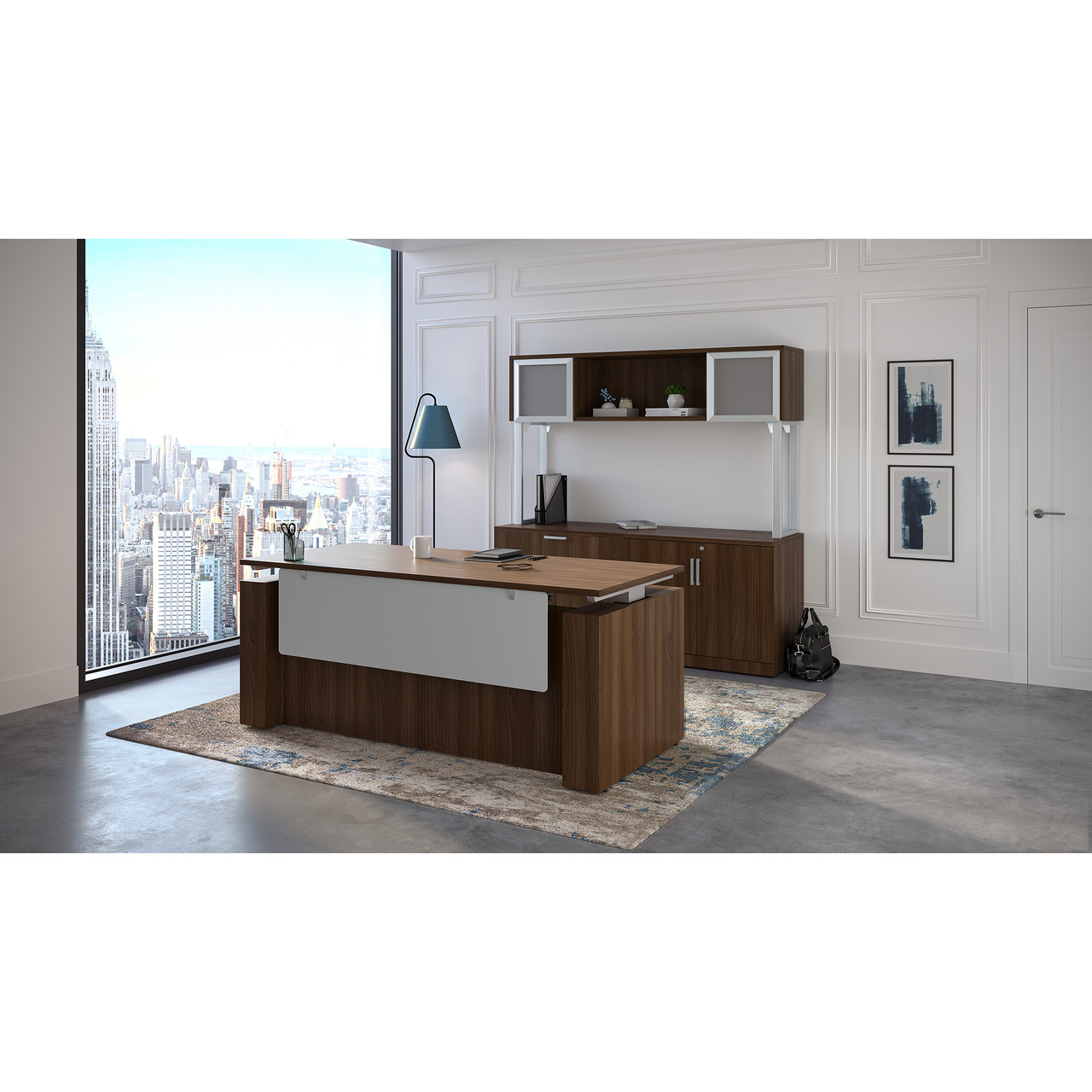
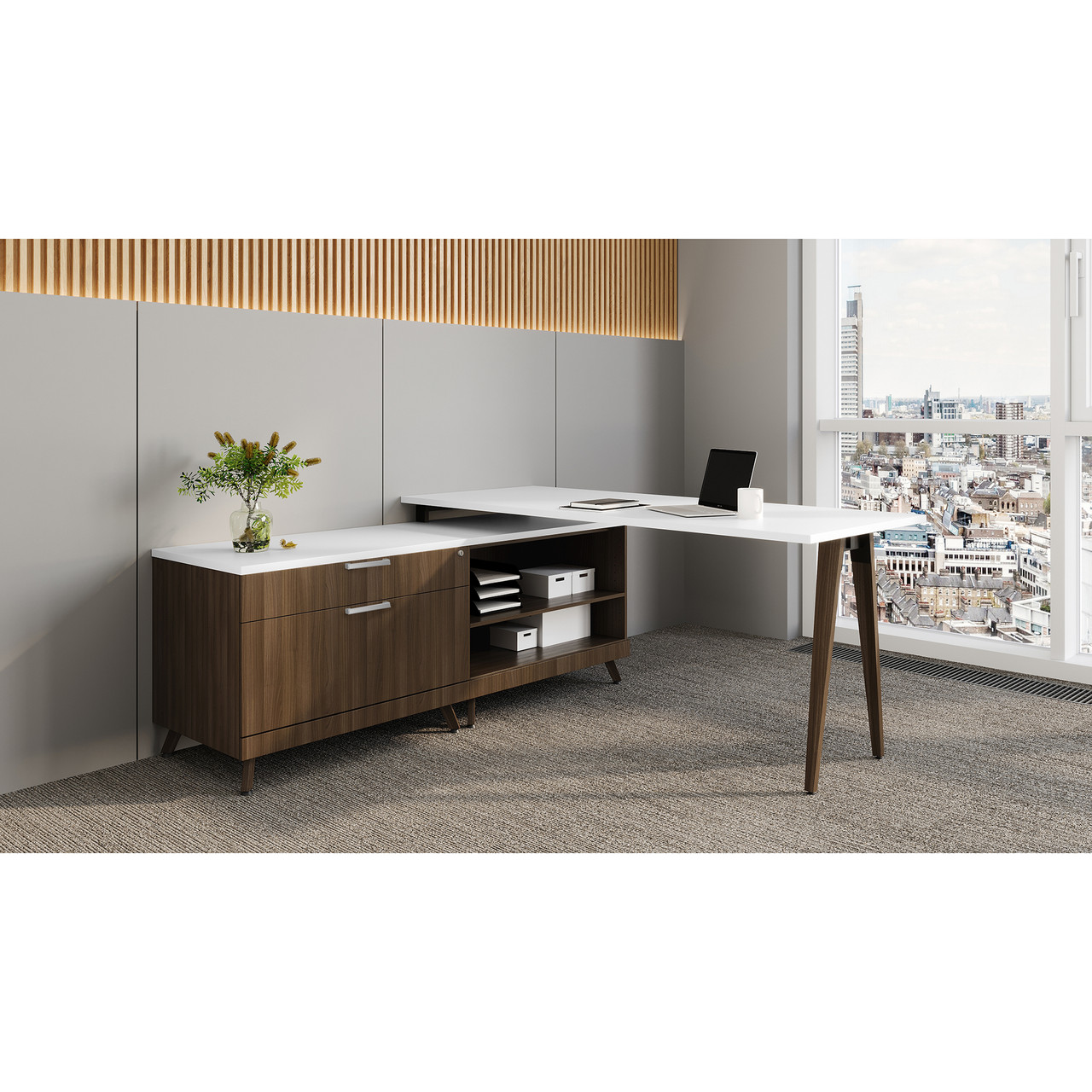
A modular desk is different because it’s built from separate components instead of one locked-in frame. You’ll usually see surface tops, supports, modesty panels, corner pieces, transaction add-ons, and storage modules that can be mixed and matched. That matters in everyday office life more than people expect. A small team might start with one module, then add another when a new hire comes on. A reception area, on the other hand, may need a different footprint, better visibility, or a more welcoming front edge.
Standard widths often fall in the 36-inch to 72-inch range, and tops may be square or rectangular, with knife-edge detailing for a cleaner look. Some setups also connect well with matching office furniture from a modular office furniture category, which helps the whole room feel intentional instead of pieced together. Quick Wins: modular desks often help avoid full replacement costs when a layout changes. That said, premium options aren’t always necessary. Sometimes a simple, durable build is the smarter buy, especially if the desk just needs to handle laptops, paperwork, and a monitor or two. On the other hand, higher-end finishes can make sense in client-facing spaces where first impressions matter. The bigger trend here is flexibility—hybrid work, multi-use rooms, and fast-moving teams all push offices toward furniture that can adapt without a full redesign. I’d call that a pretty practical shift, not just a style fad.Why Modular Desks Deliver More Value Than They Seem To
Modular desks usually save money over time because you can reconfigure instead of replace. That alone makes budget planning easier for small businesses, growing offices, and anyone trying to control furniture spend without getting trapped by sunk costs.
The value goes beyond dollars, though. Better layouts often improve traffic flow, create clearer work zones, and reduce that visual clutter that makes a room feel busy before the day even starts. From an IT perspective, good office layout can also reduce cable chaos, support cleaner equipment placement, and make onboarding new staff less painful because the station is already organized. I’ve seen teams waste money on oversized one-piece desks that looked great on day one and became a headache by quarter two. Modular desks help avoid that pattern. They also support sustainability in a very real way: less waste, fewer discarded desks, and longer product life. That said, modular isn’t magic. If planning is sloppy, you can still end up with awkward gaps or mismatched parts that never quite feel right. A reception space may need a stronger first impression, a project team might rotate frequently, and a shared office may need seating and tables that can shift quickly. In those cases, the flexibility pays off fast. Meanwhile, Why Modular Office Desks Could Be Your Perfect Workspace Solution goes even deeper into the cost and productivity side. My opinion? The best modular desk is the one that fits the real workflow, not just the catalog photo. That’s usually where the value shows up.Where Modular Desks Work Best in Real Offices
Modular desks work especially well in reception areas, admin workstations, shared offices, small conference zones, and flexible back-of-house spaces.
They can greet visitors, manage paperwork, hold a laptop and monitor setup, or create a semi-private task zone without making the room feel boxed in. The real advantage is how easily they pair with chairs, tables, seating, and storage so the office looks planned instead of patched together. In an Indianapolis startup, for example, fast scaling often means you need new stations before the floor plan is “done.” In a medical or professional office, a cleaner front desk presence can make the whole business feel more polished. Hybrid teams? They usually need adaptable work points that don’t waste space on quiet days. Seasonal hiring spikes and project-based surges create the same pressure. A modular setup handles that better than a fixed one. One thing I’d flag: the desk that looks perfect in a showroom can feel cramped once you add a monitor arm, keyboard tray, and daily clutter. Common Mistakes to Avoid: don’t skip dimensions, forget walking paths, or ignore how panels change visibility and access. Also, if you need more front-facing structure, browse a matched office furniture category so the desk, seating, and storage all line up visually. Meanwhile, Which Modular Desk Setup Fits Your Office Best: Flexibility, Function, or Front-Desk Impact? is useful if you’re comparing layout goals. Modular desks are especially helpful when an office has to balance appearance, function, and storage in one footprint, which, honestly, is most offices these days.How to Choose the Right Modular Desk Setup Without Overthinking It
Start by measuring the room, then map how people move through it. That sounds basic, but this is where people usually get tripped up. Next, define the desk’s main job: front desk, workstation, or shared zone. After that, choose the base modules first, then add only what you truly need—panels, storage, or transaction surfaces.
Check dimensions, finish durability, edge style, and whether the modules connect cleanly. Leave enough clearance for chairs, drawers, and walking space, and think ahead about power, cables, and equipment placement so the setup doesn’t turn into a tangle later. A little planning saves a lot of rework. Budget-wise, don’t assume the highest-priced setup is automatically the best. Often, a mid-range modular system gives better long-term value because it fits the real workflow without overbuying features you’ll never use. I usually suggest a simple selection framework: space, function, growth, and visual impact. Compare how a module looks alone versus how it performs in a full layout—because that’s the version your team will actually live with. For buyers who want a dependable source, the OfficeSource official website is worth reviewing for current options and specs. If you’re deciding between desks, storage, and finish styles, it helps to compare how each piece supports daily movement. In real offices, the right desks and storage pieces can make work smoother almost immediately, which is kind of the whole point.OS Laminate Top vs. Modesty Panel: Which Modular Piece Solves the Bigger Problem?
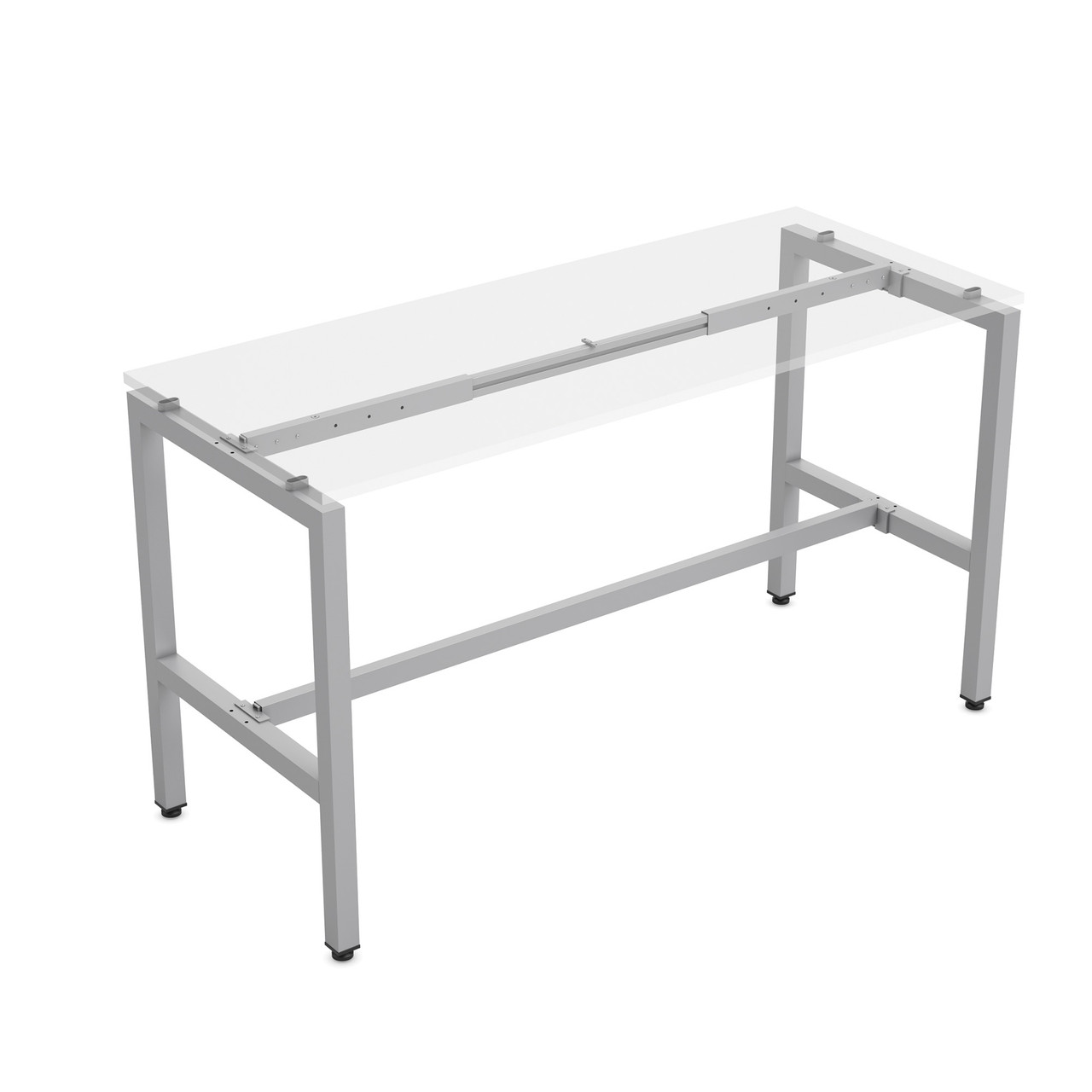
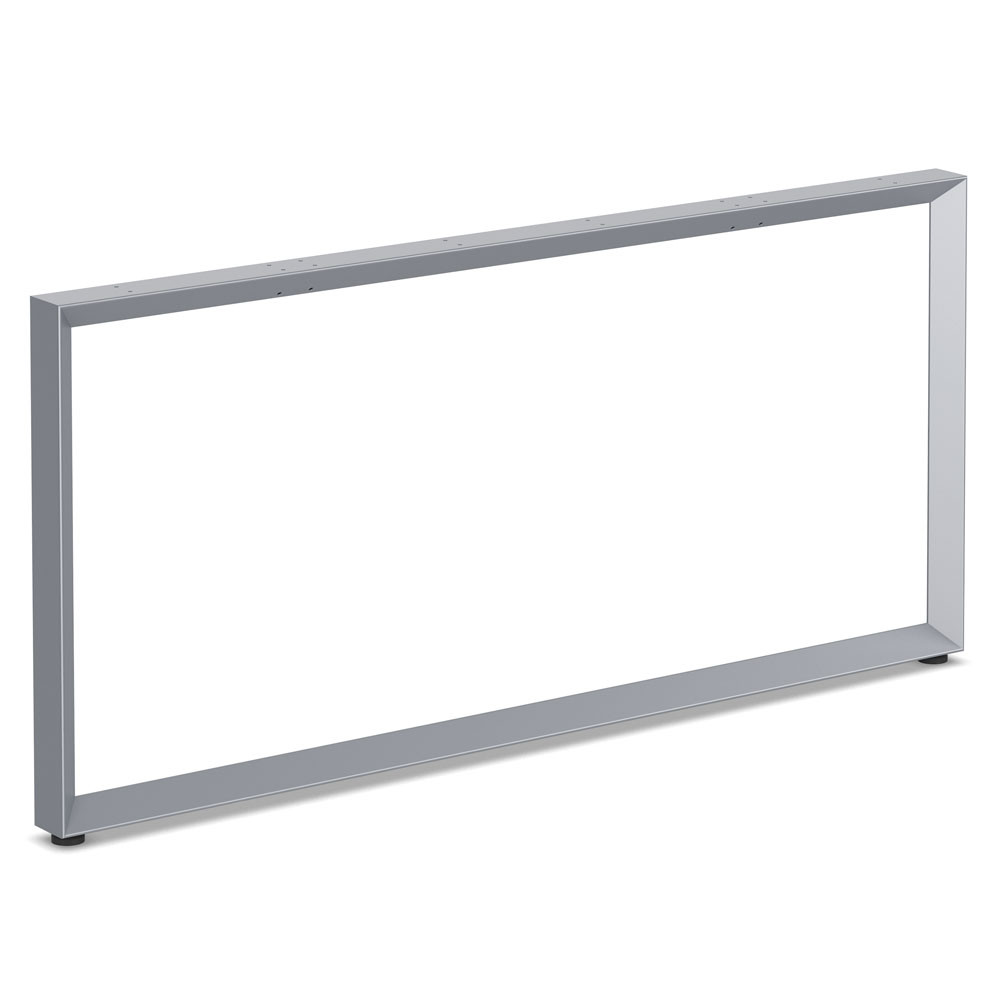
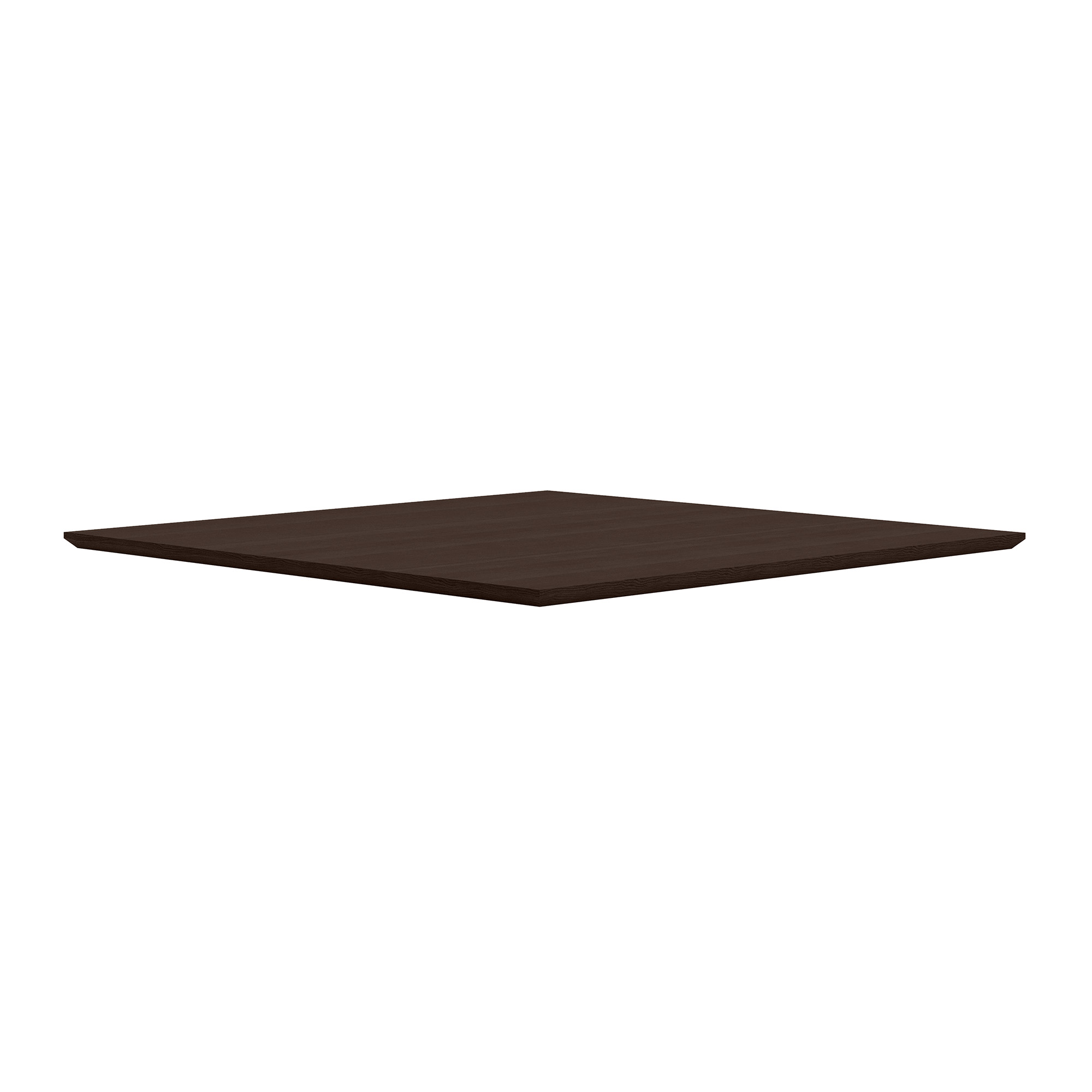
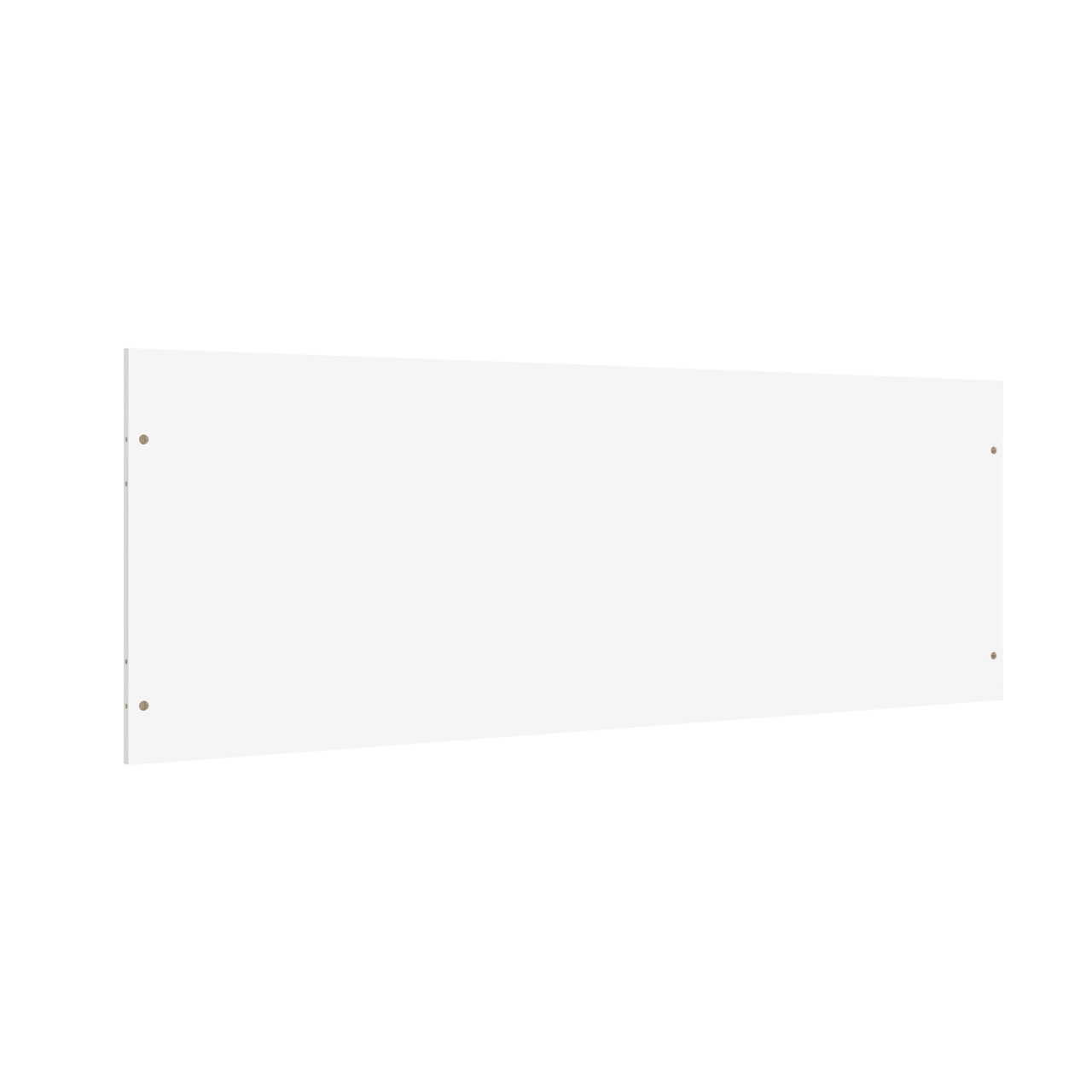
When comparing the OS Laminate 42" Square Knife-Edge Table Top with the OfficeSource | OS Laminate | Modesty Panel for OST4172, it helps to think about the job each piece is meant to do. The table top is the stronger choice when you need to build a visible work surface, reception point, or modular desk core. Its square footprint and knife-edge profile create a clean, contemporary look that fits modern office furniture layouts. It’s the part that gives the setup its main shape and presence. The modesty panel is more specialized. It adds privacy, hides under-desk clutter, and improves the visual finish of a workstation or front-desk area. If someone needs a centerpiece for reception, the table top is usually the better starting point. If they already have a desk structure and want a cleaner client-facing appearance, the modesty panel may deliver more value. I’ve seen both used well in offices that want a polished look without overcomplicating the layout. Simple takeaway: both pieces can work in a modular setup, but they solve different problems.
How to Build a Modular Desk Setup That Actually Works
Step 1: measure the room, doors, walkways, and wall clearance. Step 2: define the desk’s main purpose—front desk, workstation, or shared zone. Step 3: choose the base modules, then add only the components you truly need, such as panels, storage, or transaction surfaces. Step 4: test the layout on paper or with tape on the floor before ordering.
Step 5: plan for power, cables, and technology placement so the desk doesn’t become a mess later. Step 6: assemble and adjust, checking for wobble, alignment, and comfortable chair spacing. This is where people usually get tripped up: they buy for the product photo instead of the floor plan. If the workspace feels cramped, reduce depth before sacrificing legroom. If visibility is too open, use a modesty panel or side panel. If storage is lacking, add matching furniture rather than crowding the desk surface. That keeps the station cleaner and easier to use. A little planning saves a lot of rework, and in my experience, it also makes the desk feel more professional on day one. I’d also suggest checking how the modules interact with printers, docking stations, and task lighting. Those little details add up fast in real offices, especially when people share space or rotate through desks during busy periods.Conclusion
Modular desks aren’t just a design trend—they’re a practical answer to how offices actually work now. The biggest wins are pretty straightforward: flexibility, better space use, easier upgrades, and stronger value over time. Premium options can be great, sure, but they’re not always worth it if the layout is wrong or the office won’t use the features. So ask the real question: do you need furniture that simply fills a room, or office furniture that can grow with your team? In my experience, the best setups stay useful after the first reorg, the first hire, and the first budget review. That’s the test. In Indianapolis, Indiana, modern offices want desks, tables, chairs, seating, reception pieces, and storage that all work together without drama. If that sounds familiar, modular desks are probably worth a closer look. Explore options that fit your space, your workflow, and your budget instead of settling for a one-size-fits-all desk—start with the right modular office furniture category.
Frequently Asked Questions
Common questions about Modular Desks