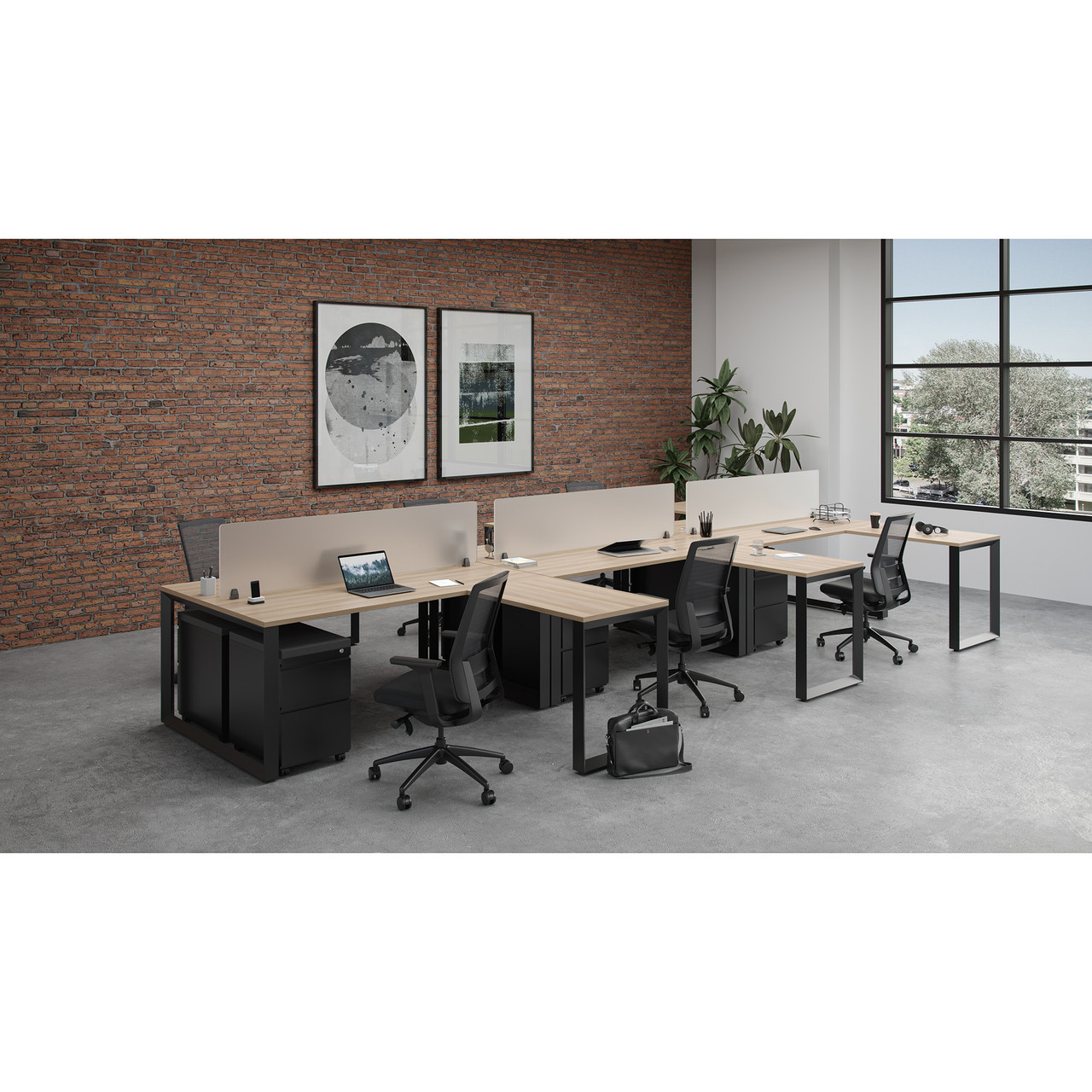
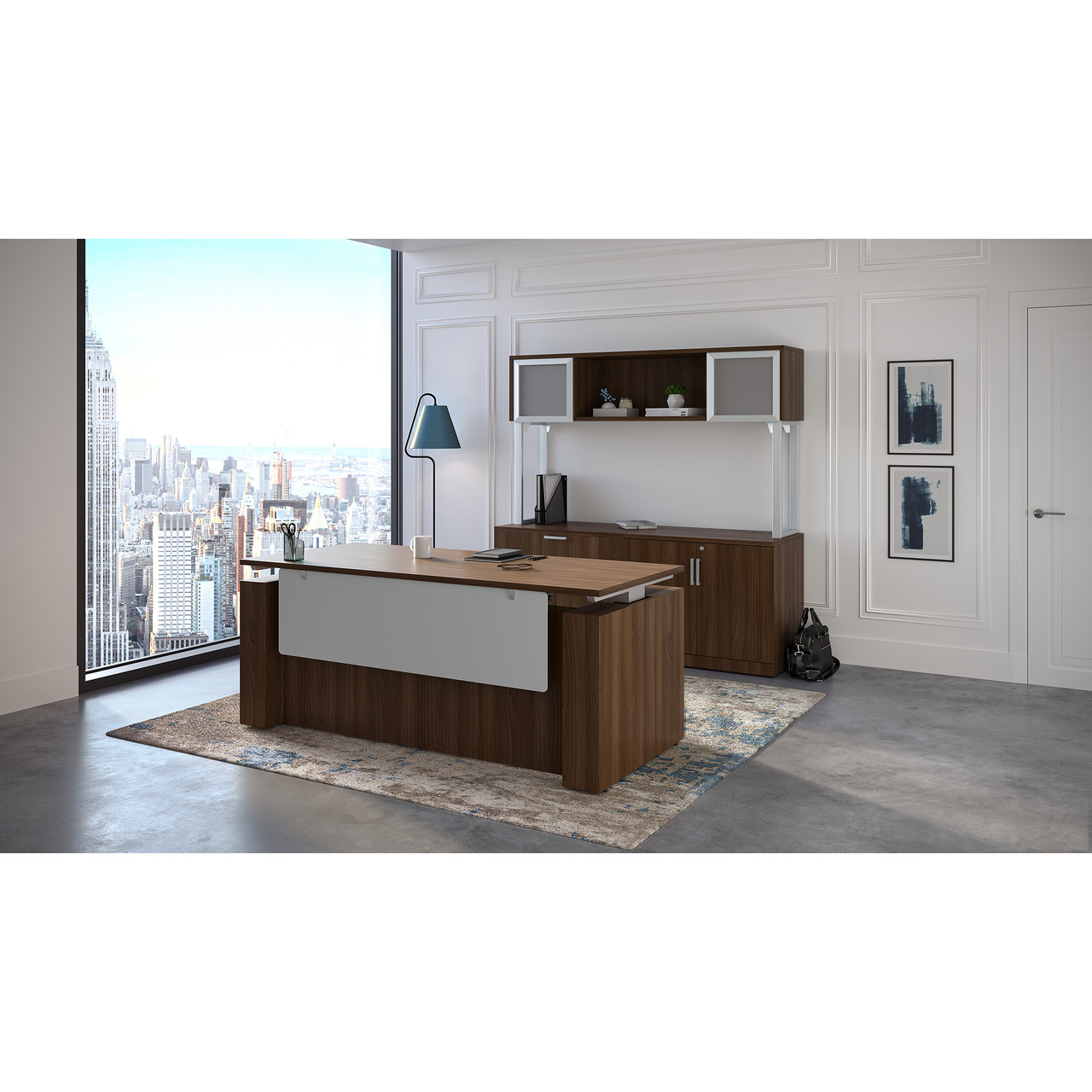
Which Office Suite Desk Setup Works Best for Your Space and Budget?
Is your current office furniture actually helping how you work each day? Office suites go beyond a basic desk; they usually combine desks, storage, and seating-friendly layouts into one coordinated plan. That matters in modern workspaces, especially for businesses in Indianapolis, Indiana, where teams want efficiency, appearance, and budget to line up. From an IT perspective, cluttered spaces slow people down fast. Office suites can fix that without paying for premium extras that may not earn their keep. With hybrid work, modular layouts, and durable laminate trends, the right setup is worth a closer look.
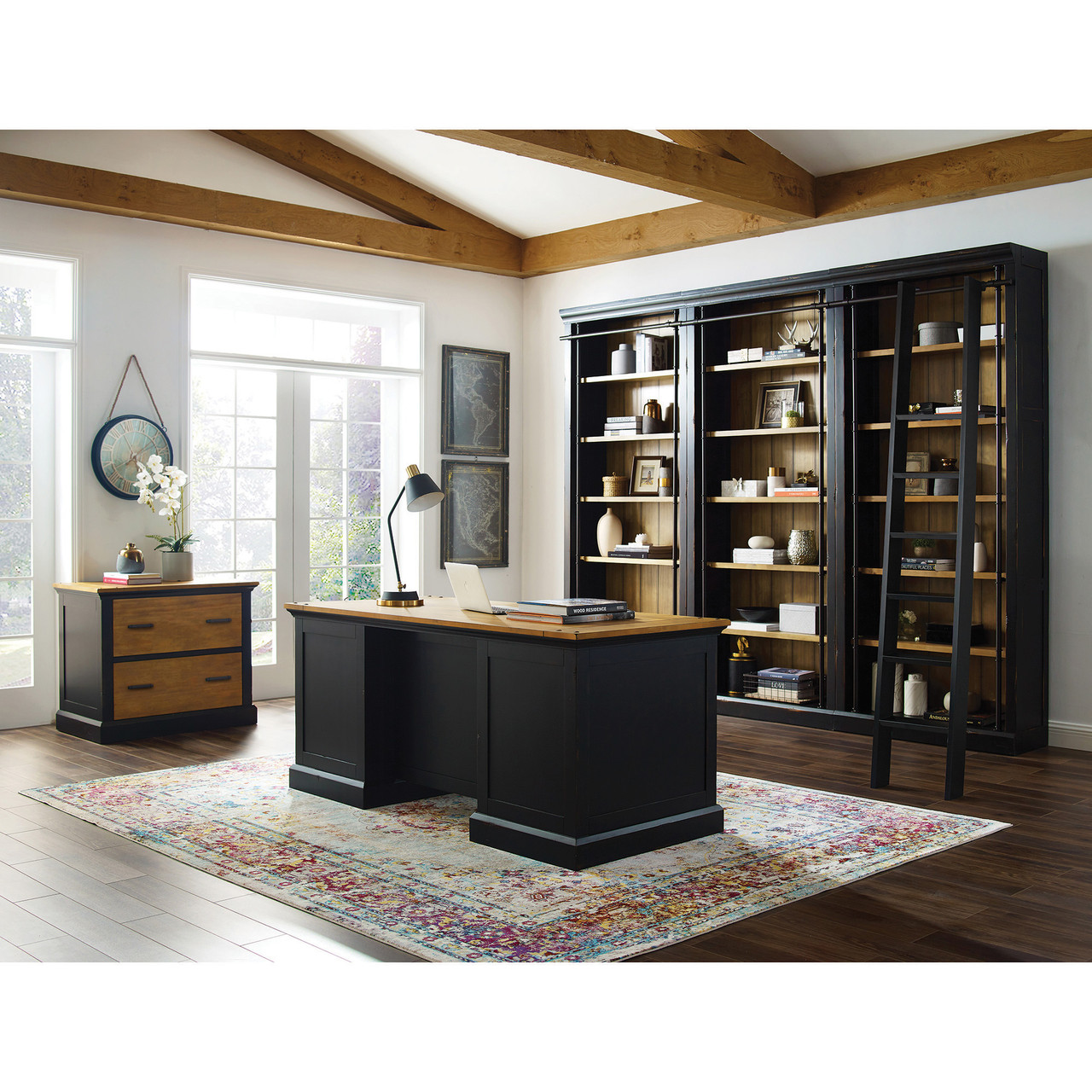
What Makes a Good Office Suite Desk Setup?
A good office suite starts with the basics: surface material, layout, and durability. Laminate tops are popular because they resist scratches, clean easily, and usually hold up well under daily use. Reinforced construction matters too, especially when a desk gets bumped by rolling chairs or used for years.
Typical dimensions matter more than people think. A private office may need a deeper work surface, while a reception area often benefits from a cleaner footprint. Shared workstations usually need enough room for a monitor, keyboard, docking station, and paperwork without feeling cramped. I also look for cable routing, drawer glide quality, ball bearing hardware, and modular compatibility. If the cords are a mess, the whole setup starts to feel unfinished. Drawers and integrated storage help reduce visual clutter and improve workflow, which is a bigger win than it sounds. Premium materials are nice, sure, but in my experience the best value usually comes from durable, well-built furniture that doesn’t try too hard. If you want a deeper breakdown, this office suite setup guide and the broader category of office suite desks are good starting points.Why Office Suites Usually Deliver Better Everyday Value
Office suites often deliver better value because they simplify buying, planning, and long-term maintenance. Instead of piecing together unrelated furniture, you get a coordinated desk, storage, and often matching tables that create a cleaner professional look right away. That consistency matters more than people expect. A modest office can look organized and credible just by using the same finish and design language across the space.
They also help with space efficiency, which is useful for growing teams, client-facing offices, and reception-ready areas that still need practical seating and storage. Premium office furniture can be excellent, but it isn’t always the best ROI. Sometimes a mid-range suite handles the workload just fine and leaves budget for other priorities. Quick Win: if you choose a suite that works with easy-to-match chairs and tables, future expansion gets much easier. That’s a real advantage when layouts change, which they often do in today’s market. Buyers usually want flexible layouts, lower maintenance, and faster installation, and office suites check those boxes. In my opinion, they also reduce decision fatigue, which is huge when managers are juggling budgets, timelines, and employee comfort. The value-focused desk comparison approach works well when you’re balancing all three.Where Office Suites Work Best in Real Life
Office suites fit a lot of real-world spaces, which is why they stay so practical. Private executive offices use them for a polished look; small business admin areas use them for efficient daily work; reception zones use them to make a better first impression.
They’re also a strong fit for project rooms and hybrid work setups where people need storage, quick access to files, and enough room for monitors, power, and peripherals. In IT-heavy environments, that cable management piece matters a lot. A desk that handles docking stations and accessories without turning into spaghetti is simply easier to live with. I’ve seen a growing company in Indianapolis, Indiana, swap mismatched desks and tables for a cleaner suite layout, and the difference was immediate: better client impressions, better focus, less visual noise. Do you need something that looks polished from day one? Will the space change in six months? Those are the right questions. Seasonal buying also plays a role; many businesses refresh furniture before fiscal-year planning or expansion. And there’s a sustainability angle too: one well-planned suite can sometimes reduce waste compared with replacing several piecemeal items. For more options in one place, the office suite category is worth exploring.Which Office Suite Features Matter Most for Long-Term Use?
Long-term value comes from the details people often skip on day one. Build quality, drawer performance, finish consistency, and scratch resistance all matter once the furniture starts seeing daily wear. Stable construction is especially important for desks paired with chairs that move constantly or tables people lean on during meetings.
Maintenance matters too. Easy-to-clean laminate, replaceable components, and hardware that doesn’t loosen too quickly can save a lot of frustration later. Good office furniture should reduce friction, not add it. One common mistake is buying based on appearance alone and ignoring how the suite actually functions with equipment, chairs, and room flow. I’d compare it to choosing a workstation that looks sleek but has awful cable management—it feels fine on day one and annoying by week three. Storage capacity also affects workflow efficiency. If drawers are too shallow or poorly placed, files pile up fast and the desk starts to feel crowded. The best office suites usually balance appearance, durability, and flexibility instead of chasing the highest price tag. That balance is what keeps a workspace useful after the excitement wears off. If a suite can stay attractive, organized, and easy to maintain, it’s usually the smarter buy for the long haul.Variant Collection L Shape Typical OSTYP217 vs. OfficeSource Variant Collection Desk Typical OS237
When comparing Variant Collection L Shape Typical - OSTYP217 with OfficeSource Variant Collection Desk Typical - OS237, the layout is the first thing to notice. OSTYP217’s L-shaped design gives you more surface area, better zone separation, and a strong corner setup for dual monitors, paperwork, or a mix of both. Its durable laminate surfaces, reinforced construction, and heavy-duty ball bearing drawer exteriors make it a solid choice for long-term use. OS237, on the other hand, is a straighter rectangular desk with a 72"W x 30"D top, so it’s often a better fit for compact offices, reception-adjacent work areas, or simpler workstation needs. If you already have supporting storage or tables, that cleaner footprint can be a real advantage. Use OSTYP217 for multitasking and heavier daily use; choose OS237 when flexibility and space savings matter most. The office suite setup considerations we covered earlier and the value-focused comparison approach both apply here, because the best office suite depends on workflow, room size, and budget. Either way, both products can support a professional furniture plan.
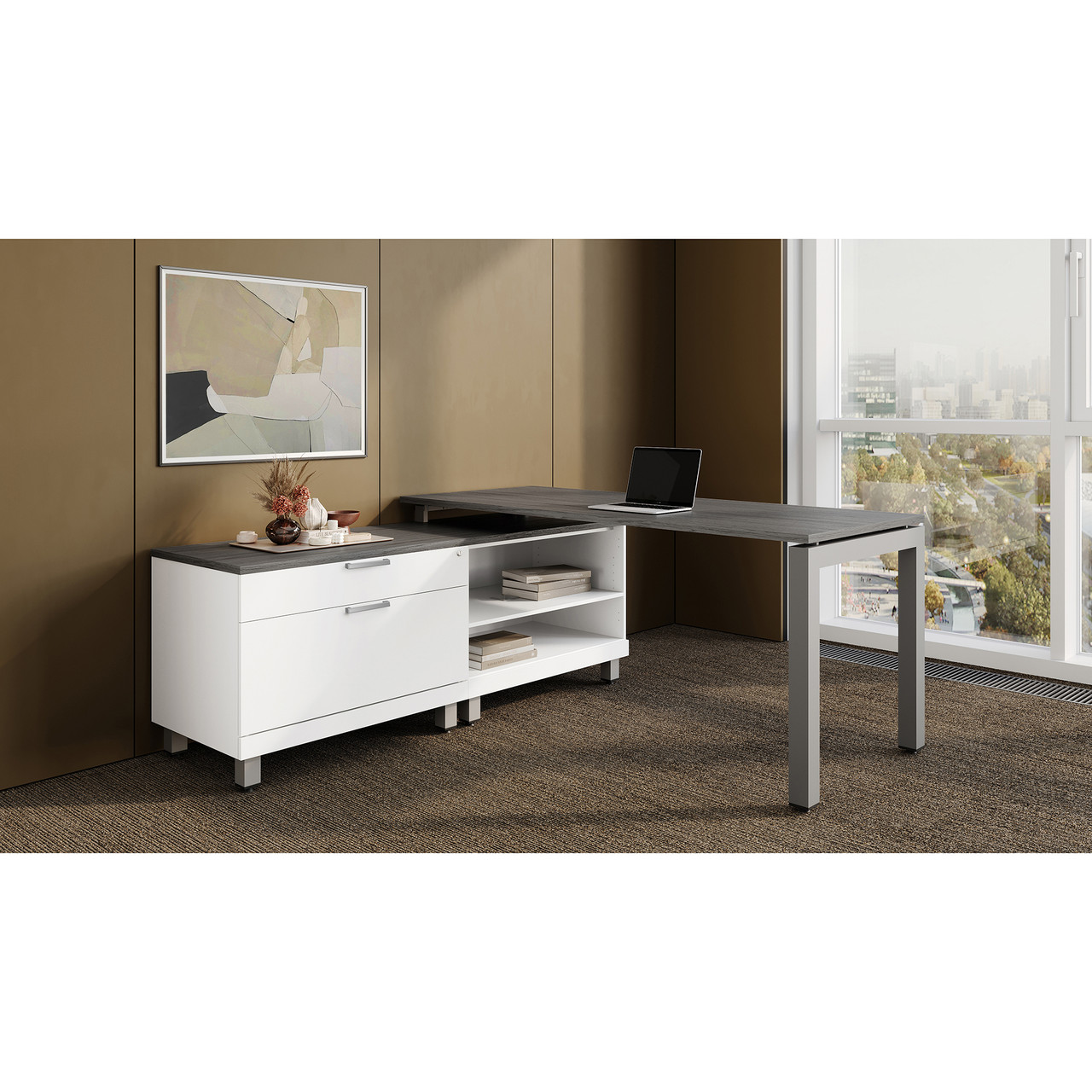
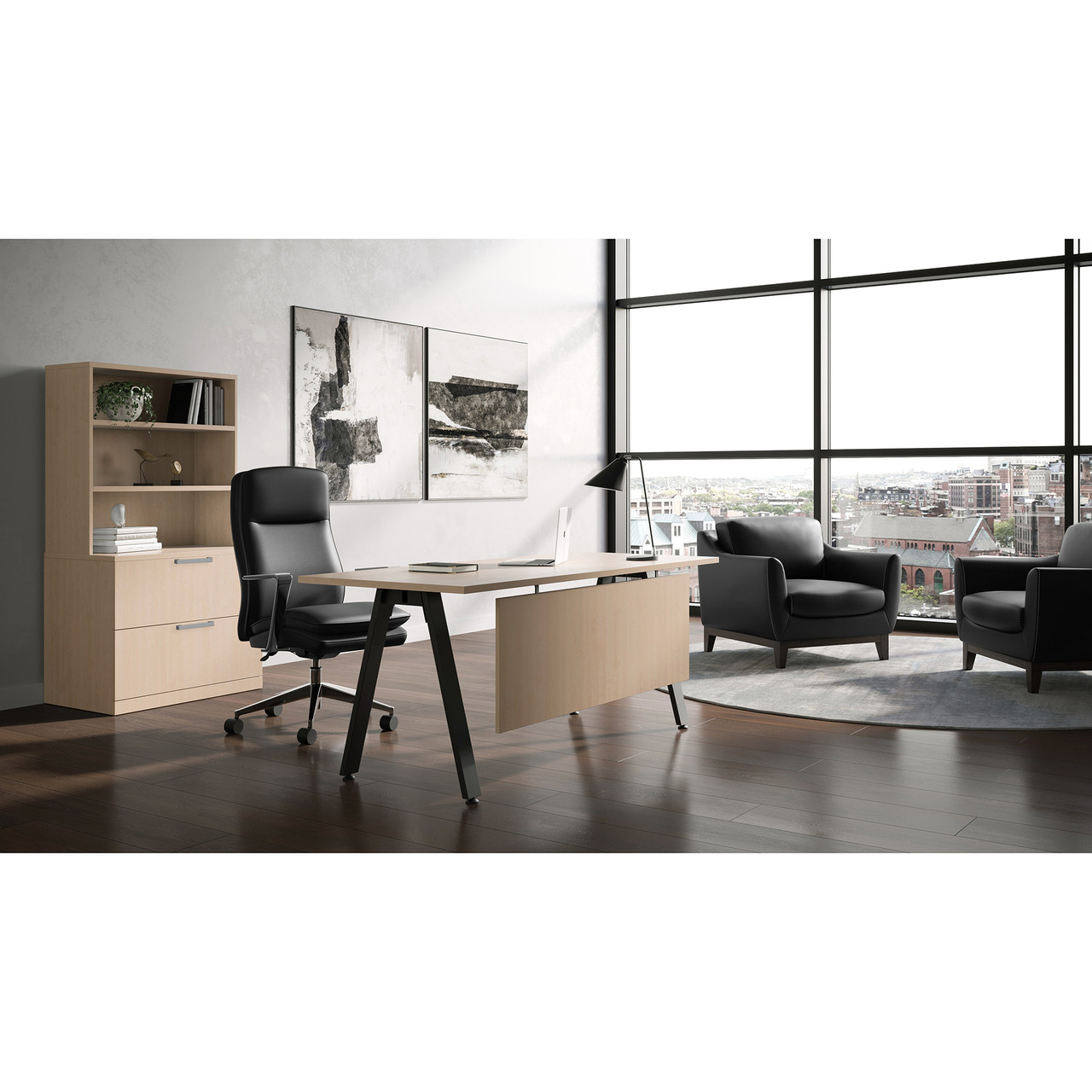
How to Choose and Set Up Your Office Suite Without Regret
A simple step-by-step approach usually saves the most headaches. Step 1: measure the room carefully, including clearance for chairs, walkways, and any reception traffic. Step 2: list everything that must fit on the desk—monitor, laptop, keyboard, docking station, printer, and storage items. Step 3: decide whether you need an L-shaped layout, a rectangular desk, or a fuller suite with storage and matching pieces. Step 4: compare finishes, drawer quality, and durability rather than chasing the lowest price. Step 5: plan the layout before delivery so the desk, chairs, and tables work with the room’s flow.
From experience, leave space for future growth; office needs change faster than most people expect. Also, check door widths and elevator access before delivery, because that detail can turn into a surprise fast. A good rule of thumb is to think about the next 12 to 24 months, not just today. If you want to verify specs and finish options, review OfficeSource’s official site so the final choice matches both the space and the workload. That extra five minutes often pays off later.Conclusion
The main takeaway is pretty simple: a good office suite is about more than looks. It should improve workflow, support daily tasks, and fit the space without wasting money. When you think beyond the first impression and compare features, benefits, and real-world use cases, the choice gets a lot clearer. Premium office furniture can be worth it, but not every workspace needs the top-tier option. Often, a well-built mid-range suite is the smarter move. That matters when you’re balancing desks, chairs, tables, seating, reception needs, and storage in one cohesive plan. Ask yourself what you actually need today versus what sounds impressive on paper. For many offices, especially growing teams in Indianapolis, Indiana, the best choice is the one that supports comfort, organization, and long-term flexibility. If you’re ready to move from browsing to deciding, compare options in the office suite category and choose the setup that feels like a real fit, not just a catalog favorite.
Frequently Asked Questions
Common questions about Office Suites