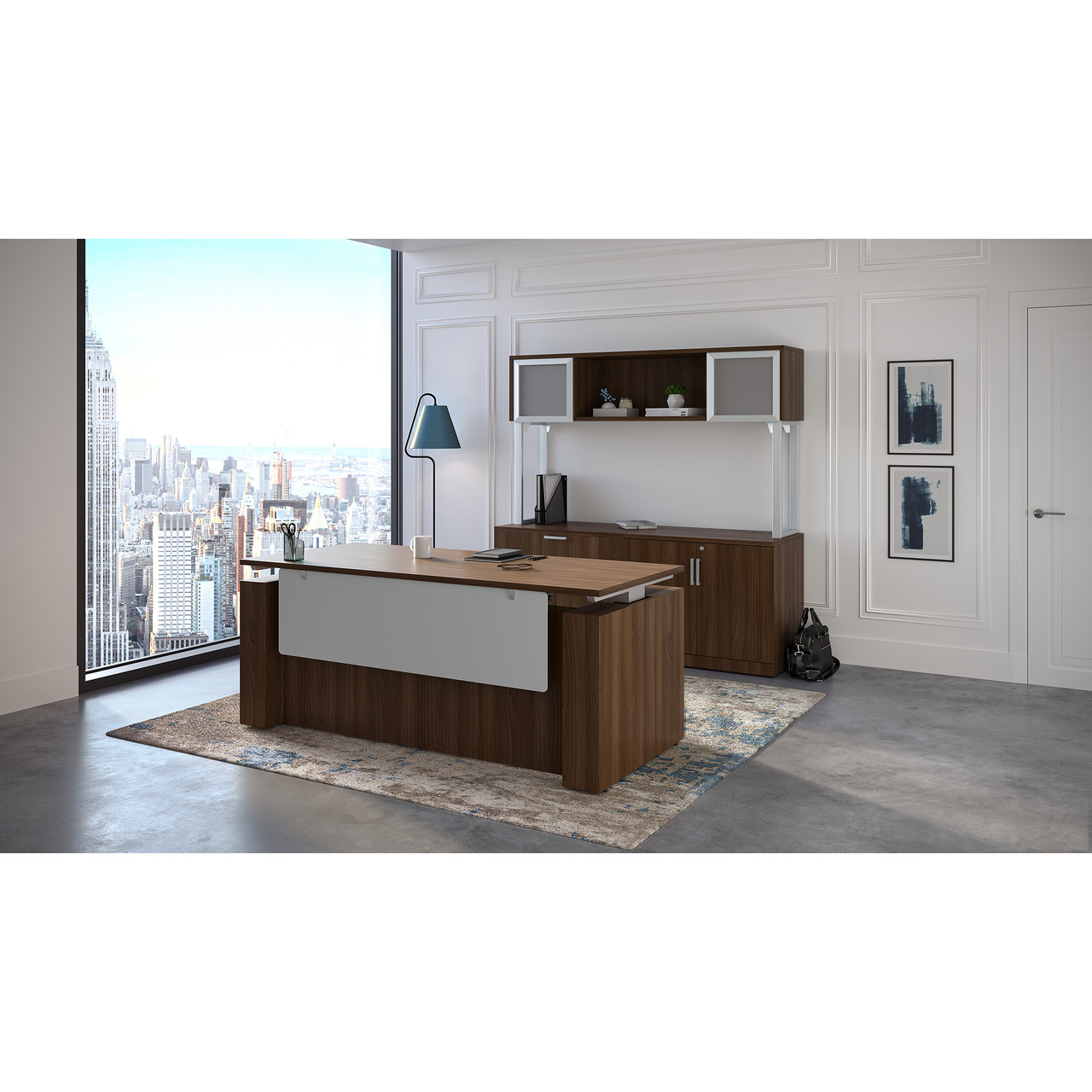
Which Reception Desk Fits Your Office Best: Style, Storage, or Space-Saving Layout?
When people walk into an office, the reception area usually sets the tone before a word is spoken. Reception desks are more than furniture—they shape first impressions, workflow, storage, and security. In my experience, a messy front desk can slow everything down, just like a bad network layout. In this post, we’ll look at what matters most in reception desks, why office furniture choices matter in Indianapolis, Indiana, and how the right desk balances design with practicality without always needing a premium price tag.
What a Reception Desk Needs to Do Day to Day
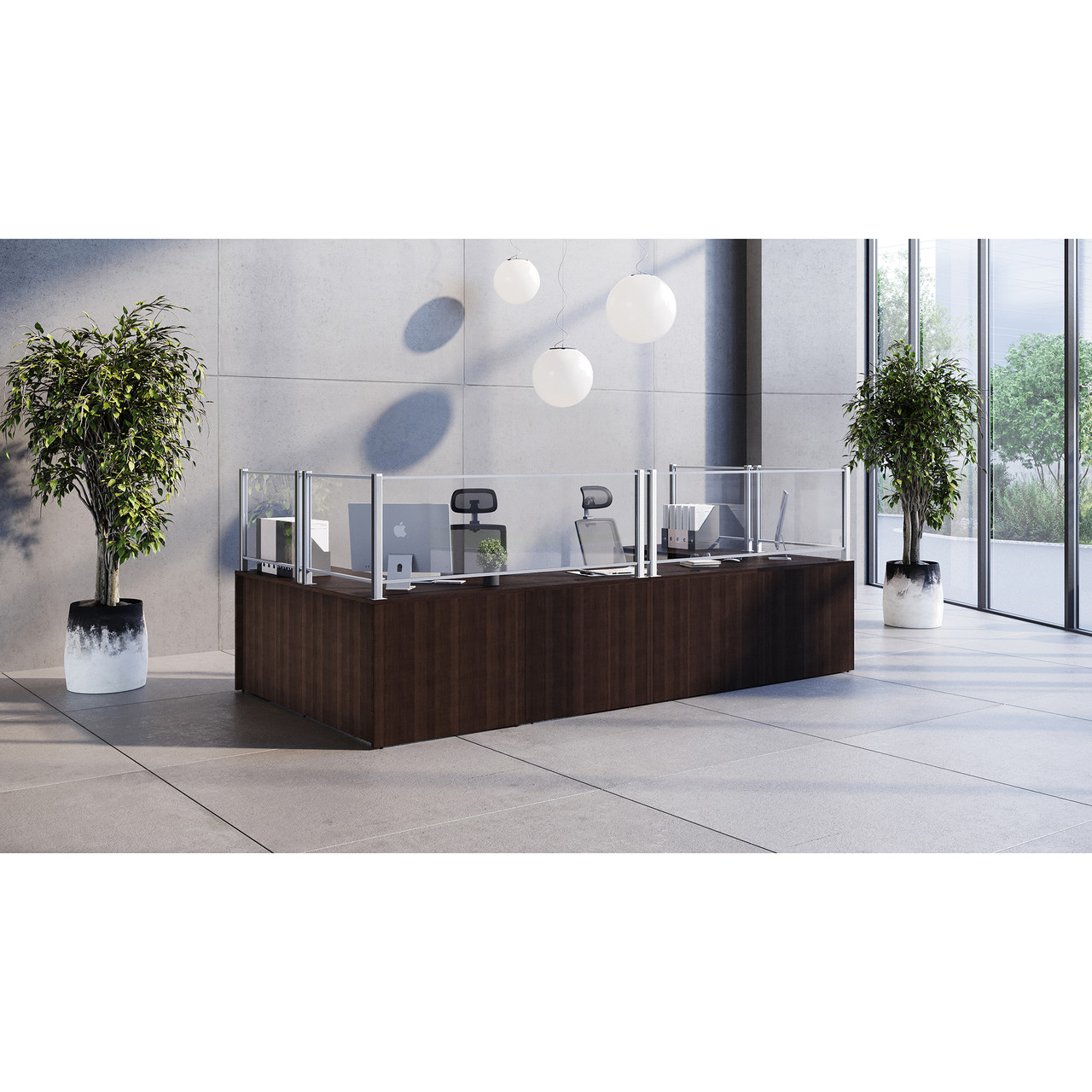
A good reception desk has a pretty simple job, but it has to do it well every single day: greet visitors, support staff workflows, hold documents and devices, and keep the front area looking organized. That usually means enough work surface for a monitor, keyboard, visitor log, and phone, plus a transaction top height that feels comfortable for quick interactions.
Integrated storage helps too—file drawers, shelf space, and modest privacy panels can keep clutter from creeping onto the counter. Cable management matters more than people think, especially when chargers, badge scanners, and VoIP phones are in play. Durable laminate or metal construction is often the smartest move because the desk has to handle real use, not just look good in a brochure. Office furniture trends are moving toward cleaner lines, mixed materials, and modular layouts that can shift as teams grow, which I think is a welcome change. If the receptionist handles phones, shipping slips, and guest badges, the desk needs enough room to avoid the daily pileup. Quick Win: Measure your wall span, traffic flow, and monitor placement before you shop. For broader options, OfficeSource’s official catalog is a useful place to compare styles. Premium finishes can be attractive, sure, but a simpler build often wins when budget and workflow matter more than showroom appeal. If you’re browsing reception desk categories, focus on fit first and flair second.How Reception Desks Improve First Impressions and Workflow
The biggest benefit of the right reception desk is that it creates a calm, organized entry point. Visitors feel welcomed, and staff feel more in control of the day. That sounds basic, but it changes a lot in practice. Better visibility makes check-ins smoother, storage keeps supplies close, and a tidy surface reinforces a professional brand image. Have you ever walked into a front office that felt cramped? Usually, the problem wasn’t just the room—it was the desk layout and lack of storage. In many offices, the reception desk acts like a command center for seating assignments, office supplies, and guest materials. Office furniture, desks, reception, storage, seating, tables, and chairs all work together to shape the front-office experience. I’ve seen offices in Indianapolis, Indiana that looked polished at first glance, yet functioned poorly because the desk was too shallow or had no cable routing. That kind of mistake creates visual noise and slows productivity. A smarter reception desk choice can reduce that clutter, improve traffic flow, and make the whole front office feel more intentional. And yes, budget-friendly models can still deliver excellent value if the layout is right. If you’ve been comparing workflow-focused reception ideas with your current setup, the benefits usually show up fast.
Which Styles Work Best for Different Office Setups?
Different office setups call for different reception desks, and style should follow the footprint. Straight reception desks usually fit simple layouts, while return shells and right-hand layouts are better when the room has a corner or a specific traffic pattern. Compact suites often benefit from space-saving designs, but busy lobbies may need larger surfaces and more privacy.
A small professional office may want a clean laminate desk with modest storage, while a higher-traffic reception area often needs a more substantial setup with a transaction counter and guest-facing front panel. Current market trends lean toward mixed-material finishes, frosted glass accents, and modular components that can be reconfigured as the business grows. If your office already has plenty of storage cabinets, you may not need a desk packed with drawers—sometimes less is more. Common Mistakes to Avoid: ignoring cable paths, choosing the wrong hand orientation, and underestimating visitor flow. That said, style shouldn’t overpower function. The desk should coordinate with chairs, tables, and other seating instead of standing out awkwardly, and a layout-first approach often makes the room feel more polished right away. I also think it helps to picture the desk on a busy Monday morning, not just on install day. Will people move around it easily? That’s the real test.How to Measure and Choose the Right Reception Desk
Before you buy, do you actually know your available width, depth, and clearance? Start by measuring the wall or corner space, then confirm ADA-friendly clearance where needed, identify left- or right-hand placement, note monitor and keyboard positions, and check whether staff need privacy for cash handling or document processing.
Once you have the basics, compare finishes, laminate thickness, edge banding, and storage options without getting buried in product jargon. Expert Advice: take photos of the space and sketch the traffic flow before shopping; it saves headaches later. I’d also think about sustainability in a practical way—durable construction usually lasts longer and cuts replacement costs. Premium reception desks aren’t always the best buy if your office changes layouts often, so don’t overcommit to a fixed look unless you know it fits. Ask yourself what this desk needs to do six months from now: support more visitors, more equipment, or more storage? Maybe all three. And if you’re comparing broader office furniture solutions, keep the reception desk tied to real workflow, not just the best-looking finish. The best choice balances appearance, workflow, and budget.OfficeSource Laminate vs. Palisades: Which Reception Desk Fits Your Needs?
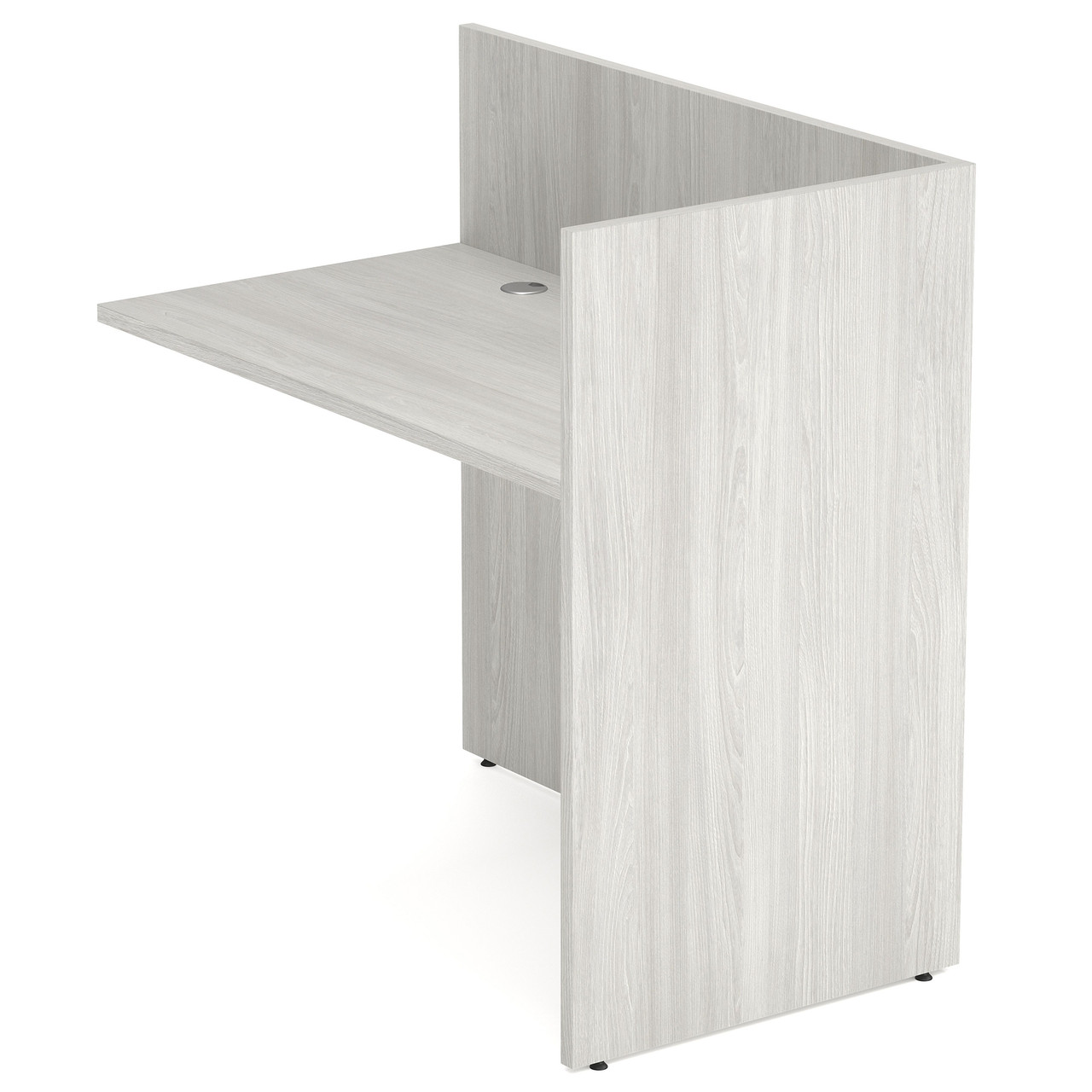
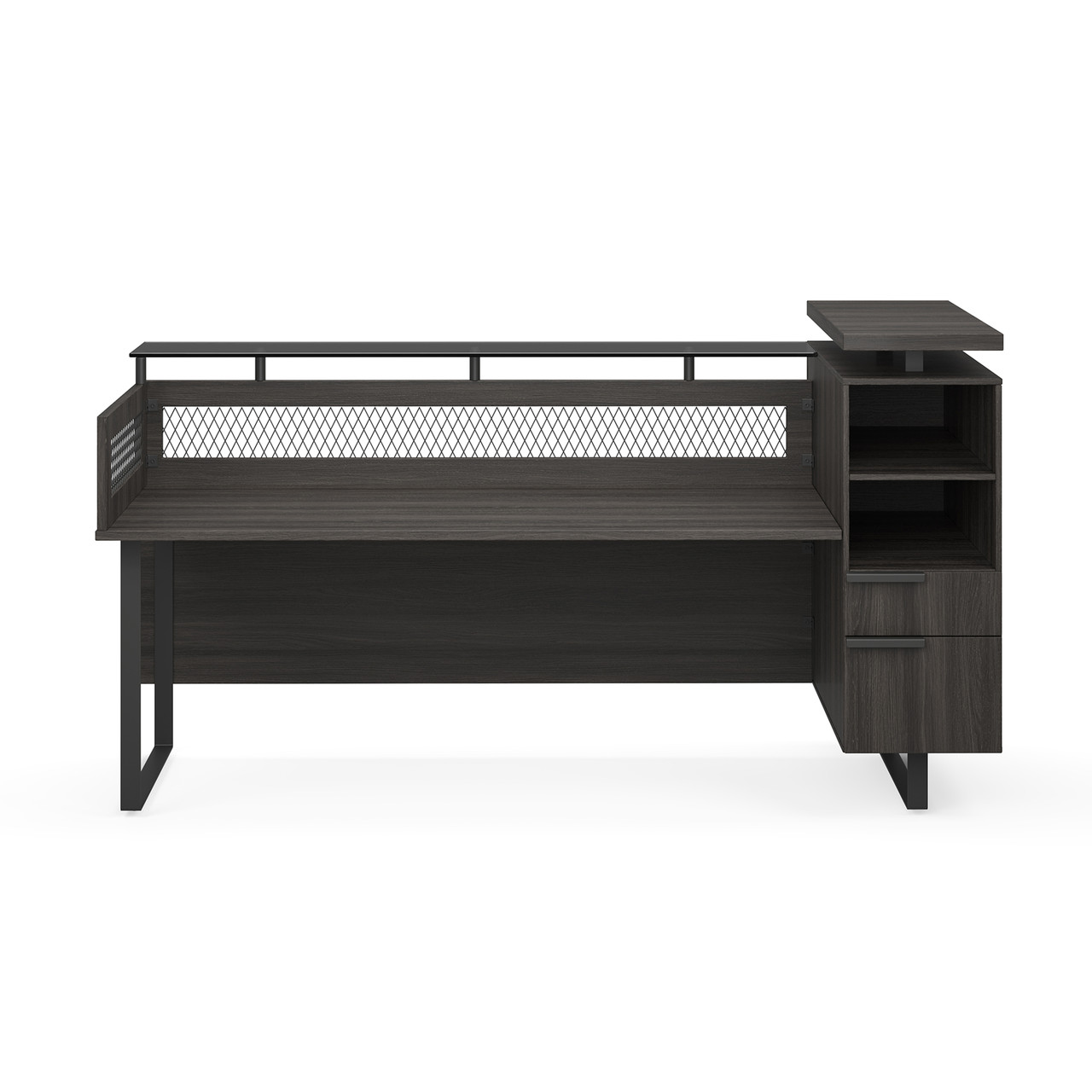
If you’re comparing the OS Laminate Reception Return Shell with the Palisades Reception Desk - Right, the difference usually comes down to utility versus presentation. The OS Laminate Reception Return Shell is a strong fit for offices that want a straightforward, durable, easy-to-match surface—especially when the goal is function, flexibility, and value. It blends easily into existing office furniture and works well in busy administrative spaces. The Palisades Reception Desk - Right leans more toward contemporary visual impact, with charcoal metal accents and a frosted glass top that can lift the room’s branding. That makes it a smart choice for client-facing lobbies where style matters. In other words, laminate durability versus elevated design language; simple return-shell utility versus a more polished right-hand layout. If your front office needs storage and practicality, the laminate shell is often the better workhorse. If the space needs a stronger first impression, Palisades can do that job nicely. The best pick depends on traffic, budget, and whether your reception area prioritizes storage or visual presentation.
How to Set Up a Reception Desk That Actually Works
Set up a reception desk by starting with the room, not the product. 1) Measure the space and map traffic flow so the desk doesn’t block entry paths. 2) Place the desk where staff can see visitors clearly, but keep private work items out of sight. 3) Route power and data cables before equipment goes on the surface—otherwise the back side turns into spaghetti real quick. 4) Add storage for forms, office supplies, and backup items so the top stays clear. 5) Position chairs, tables, and waiting seating for an easy visitor path. 6) Test the workflow for a full day and adjust monitor angle, keyboard placement, and signage if needed.
If the front desk still feels crowded, remove rarely used items and move overflow storage to a side cabinet. That one fix often helps more than buying more stuff. A clean setup usually improves morale too; people simply work better when the front office feels under control. I’ve seen this in small clinics, law offices, and shared suites. The guests notice, even if they don’t say it out loud. A well-set reception area usually pays off fast.Conclusion
At the end of the day, the right reception desk should support first impressions, daily operations, and long-term value. Keep the main buying factors in view: size, storage, durability, layout, and style. And remember, expensive doesn’t automatically mean better. In my experience, the smartest office furniture choices are the ones that fit the room and the workflow, not just the catalog photo. That’s true for offices in Indianapolis, Indiana and just about everywhere else. Laminate return shells are practical workhorses, while glass-accented models like Palisades can elevate the brand image when presentation matters. Think about your current needs, future growth, and how the desk will pair with other furniture, desks, chairs, tables, seating, and storage. If you want a reception solution that feels balanced instead of overbuilt, start with the space, then work outward. A good reception desk category will help you narrow the field and choose a reception solution that feels right for your office.
Frequently Asked Questions
Common questions about Reception Desks