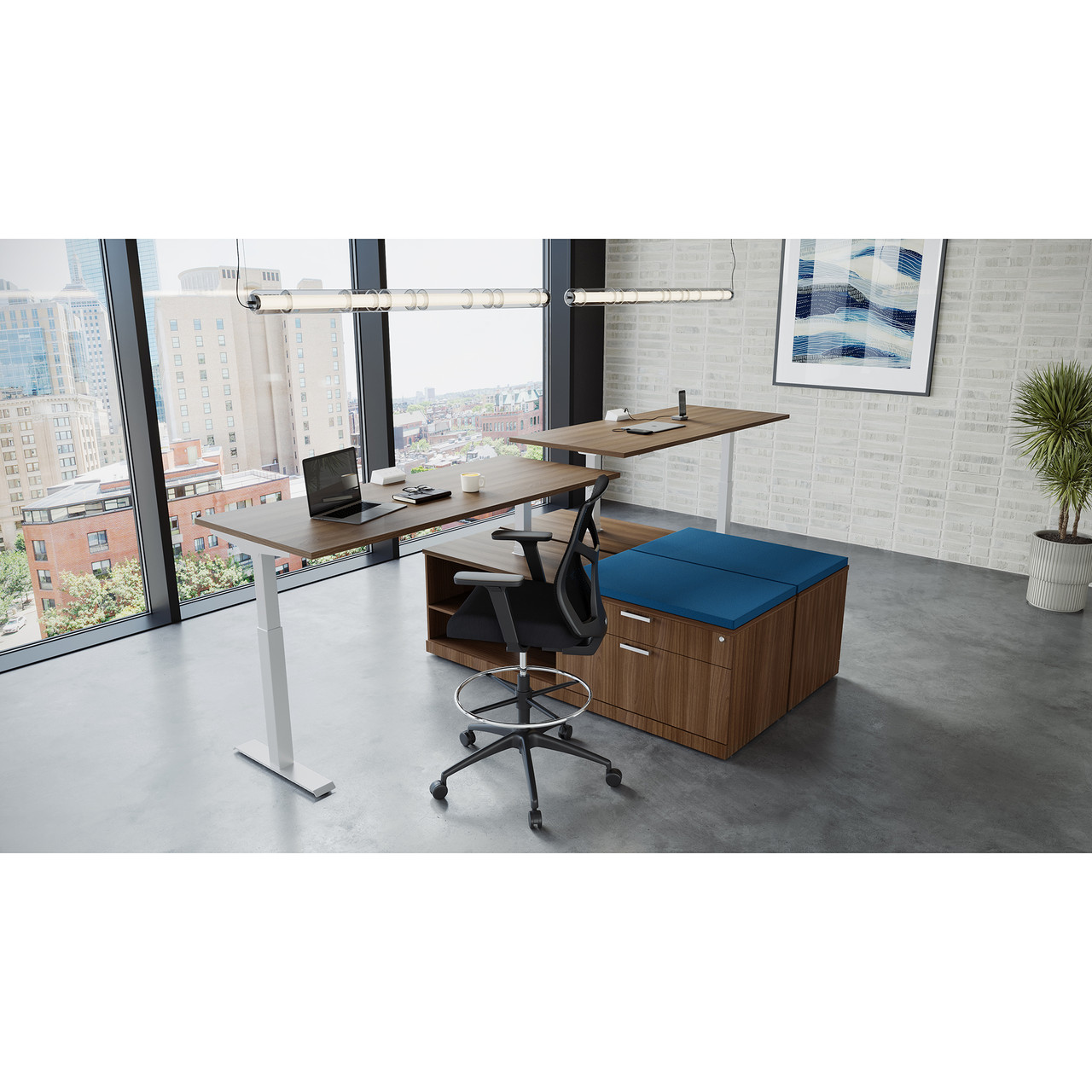
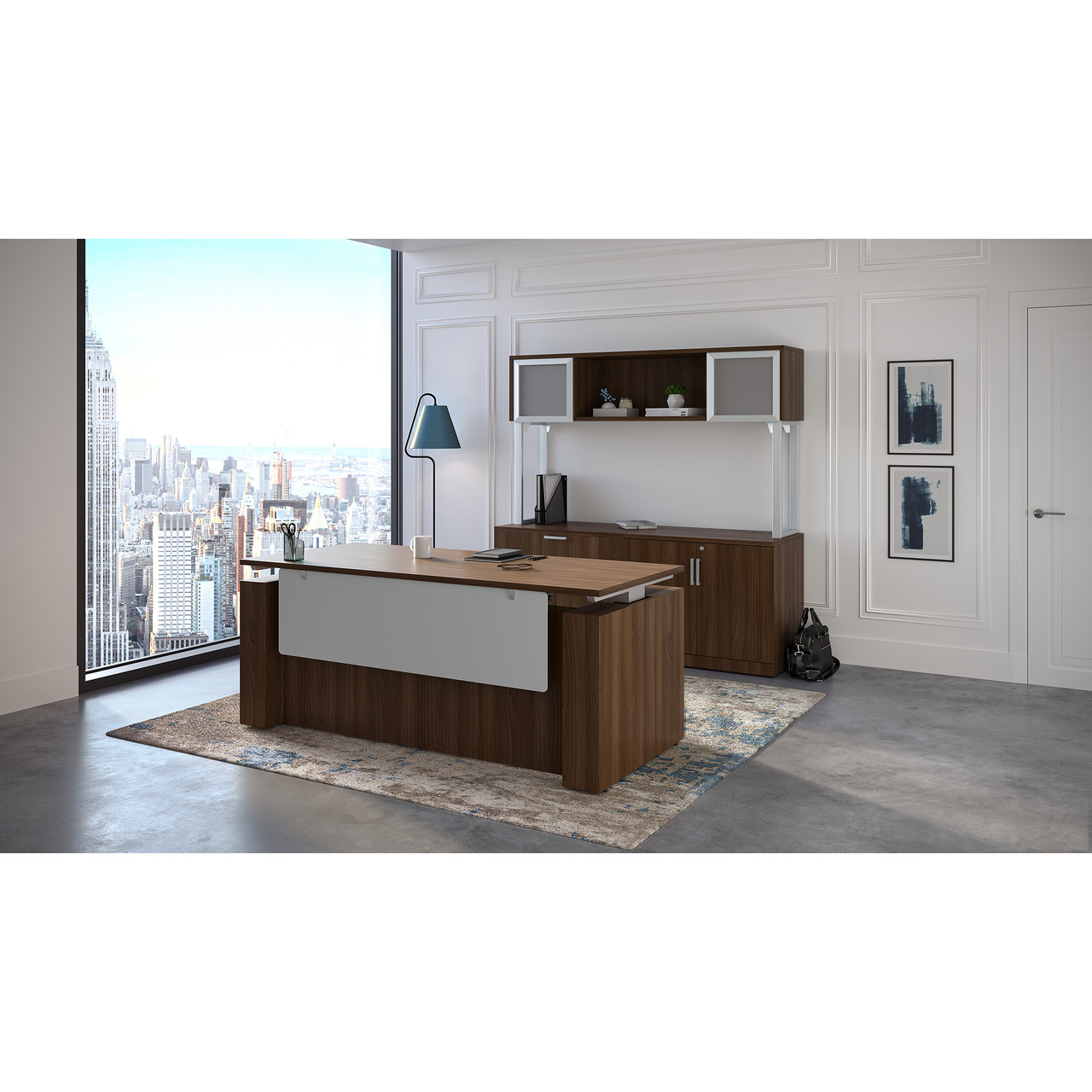
Are Standing Desks Worth It for Modern Offices?
Standing desks aren’t just a trend anymore—they’re part of how many teams rethink office furniture in fast-moving workplaces. I’ve seen offices in Indianapolis, Indiana, mix desks, chairs, tables, seating, reception, and storage upgrades all at once, and the standing desk often becomes the centerpiece. The big question is simple: are they worth the money, or just another premium add-on? Let’s break down features, comfort, workplace value, and real-world use cases so you can buy smart without overpaying.
What Makes a Standing Desk Actually Useful?
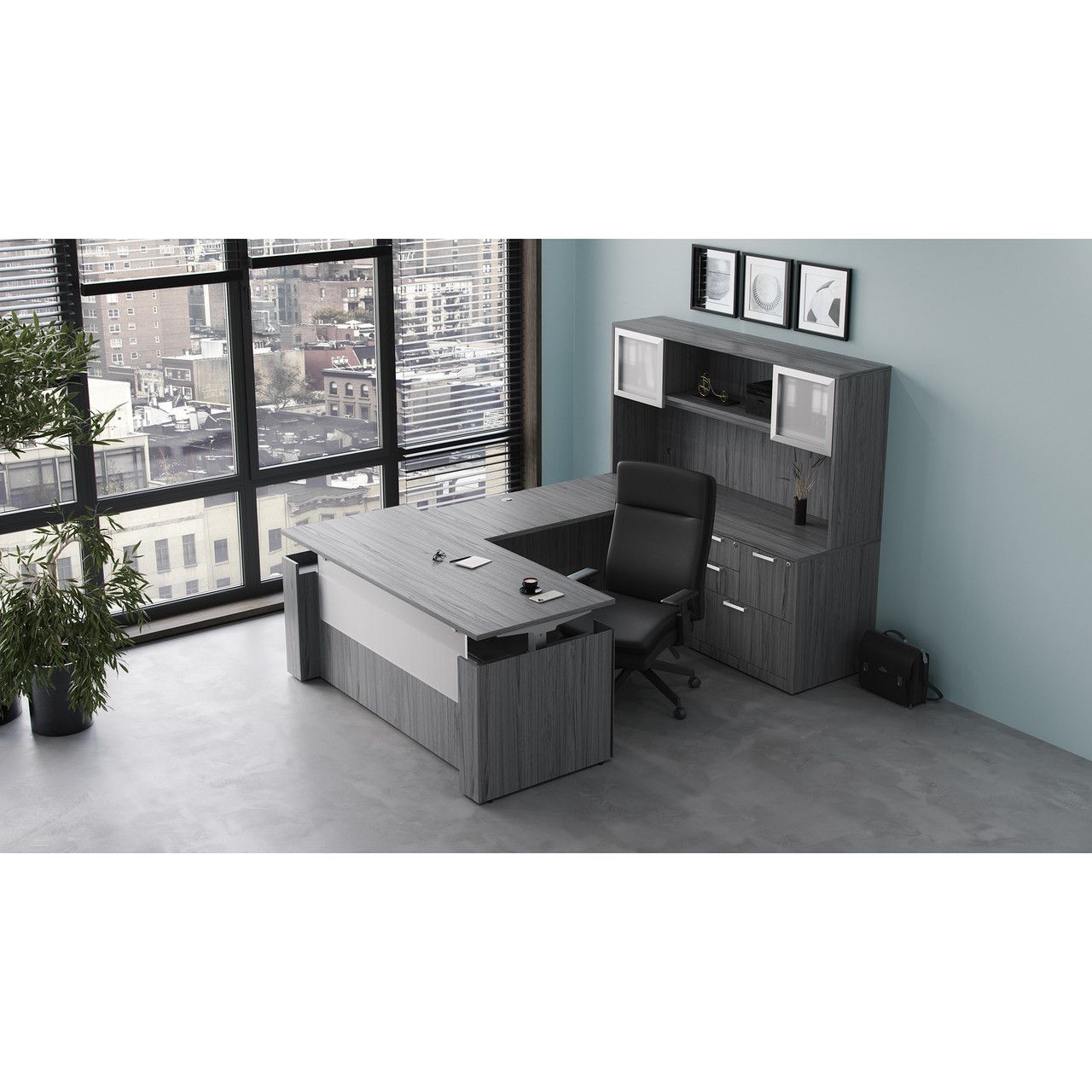
When buyers ask me what really matters, I usually point to the basics first: height adjustability, motor quality, frame stability, weight capacity, and desktop size. In the standing desks category, those details matter more than the buzz. A 3-stage lift, dual motors, and smooth transitions can make daily use feel effortless instead of clunky, especially when people are moving between seated and standing positions all day.
Ergonomic range is a big deal in shared workspaces and hybrid offices, where multiple users may need the same desk to fit different body types. That’s where control panels, quiet operation, and cable management start pulling real weight; in open-plan offices, those “small” specs can make the difference between a clean workstation and a constant annoyance. Premium features are nice, sure, but not every team needs the highest-end setup. If you want a reliable place to compare options, OfficeSource's standing desk lineup is a practical starting point. You can also use our standing desk category to compare styles and configurations without getting lost in marketing fluff. In my experience, better specs usually mean fewer headaches later, especially in busy office furniture environments where uptime and easy maintenance matter.Why Standing Desks Often Pay Off in the Long Run
The value story is usually stronger than the sticker shock. Standing desks can help reduce the stiffness and fatigue that come from long sitting sessions, which is one reason they keep showing up in desks, chairs, and seating planning discussions. From an IT professional perspective, I’ve noticed that small ergonomics improvements often cut down on complaints, improve focus during long screen-heavy days, and make workstation setup easier to standardize.
The ROI isn’t always about buying the fanciest model either. Sometimes a midrange desk is the sweet spot if it’s stable, easy to adjust, and built for daily use. That’s especially true as more businesses move toward modular office furniture that can support changing teams, remote/hybrid schedules, and shifting floor plans. There’s also a sustainability angle here: one durable desk that lasts for years is usually smarter than replacing cheaper furniture twice. And honestly, that matters more than people think. Do you want a desk that just looks modern, or one that actually supports better work habits? If you’re curious about the health side of the equation, the health and productivity benefits of standing desks are worth weighing alongside budget. At the end of the day, I see standing desks as a value purchase, not just a style upgrade.Where Standing Desks Fit Best in Real Workspaces
Standing desks fit more places than most people expect. They work well in private offices, shared workstations, reception areas, and even compact home offices where space is tight. They’re especially helpful for teams doing long computer sessions, managers bouncing between calls, or employees who prefer alternating postures throughout the day. In one Indianapolis office I visited, a standing desk paired neatly with task chairs, storage, and collaborative tables, and the whole floor plan felt more flexible because of it.
These desks also help during seasonal workflow spikes—quarter-end pushes, training weeks, onboarding cycles—when people need comfort and quick adjustability. Here’s a lesson I’ve learned the hard way: if the workspace has uneven flooring, heavy monitors, or lots of accessories, stability and weight capacity matter more than flashy extras. That’s where standing desk setup options can help you think through the layout before you buy. Also, standing desks should complement chairs, tables, seating, reception layouts, and storage instead of competing with them. In other words, the right desk usually fits the task, the team, and the room. If you’re browsing broader office furniture solutions, keep that balance in mind.How to Choose a Standing Desk Without Guessing
A simple buying framework helps a lot. First, measure the space and check clearance for movement, cords, and nearby furniture. Next, decide whether the desk will be used by one person or multiple people, since shared-use setups need broader adjustment ranges. Then compare motor style, lift speed, control interface, frame stability, and desktop finish. In my experience, people often focus on looks first and ergonomics second—but that’s backward.
A few common mistakes show up again and again: ignoring height range, forgetting monitor arm compatibility, overloading the frame, or choosing a desk that clashes with the rest of the office furniture layout. If the desk will sit near reception, storage, or a high-traffic area, durability and clean cable routing become even more important. A practical decision tip? If budget is tight, choose the best structural frame you can and skip unnecessary premium add-ons. That usually gives you better long-term value. Quick Wins: 1) measure twice, 2) check monitor height, 3) confirm the weight limit, and 4) test the controls before finalizing the setup. I’d also recommend thinking in terms of workflow, not just furniture shopping. The best desk is the one that supports how your team actually works.OS Height Adjustable Desks vs. OfficeSource StandUp Standing Desk Collection Optional Battery for HAT Units
If you’re comparing OS Height Adjustable Desks | Typical #OSTYP376 with the OfficeSource StandUp Standing Desk Collection Optional Battery for HAT Units, the biggest difference is purpose. The OS Height Adjustable Desks option is the stronger fit for buyers who want a full electric height-adjustable base with smooth everyday workstation performance—good for long computer sessions, shared office use, or ergonomic upgrades. The StandUp Optional Battery for HAT Units is more of a support component than a full desk, so it makes sense when mobility, backup power, or replacement battery convenience matters.
Put simply, the desk base supports flexibility and active work habits, while the battery accessory supports continuity and easier maintenance for compatible systems. If you’re building a new workstation, choose the desk base. If you already have HAT units and need quick replacement or portable power support, the battery piece may be the smarter move. That’s the kind of practical tradeoff that saves time and budget. For a deeper look at setup choices, these standing desk setup basics help narrow down the right configuration. Sometimes the best choice is the complete desk; sometimes it’s the support piece that keeps an existing setup running smoothly.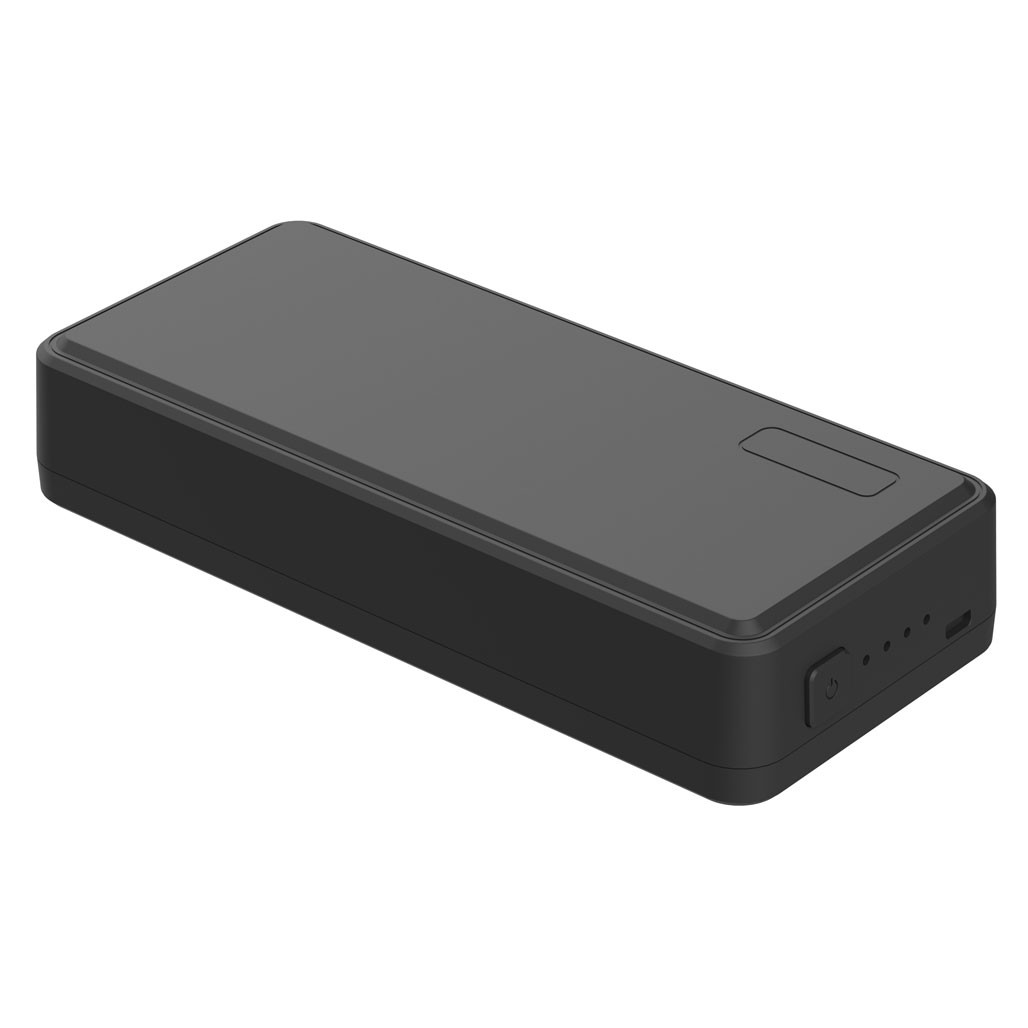
How to Set Up a Standing Desk the Right Way
Start with the room. Measure it carefully and place the desk where it won’t block traffic, especially in shared office furniture layouts. Next, assemble the frame first and tighten all fasteners evenly so the lift system stays stable. Then mount the desktop and confirm the controls, motors, and cable paths are clear.
Set the desk to seated height, adjust your chair so your elbows sit near 90 degrees, and then raise the desk to standing height to check monitor level. After that, test the transitions a few times and listen for unusual noise or wobble. Keep cords off the floor, use a surge protector, and avoid exceeding the weight limit. If the desk shakes, recheck the legs and floor surface before blaming the motor. That one gets overlooked all the time. Pro tip: do a second pass on cable routing after everything powers up, because loose cords usually cause the mess later. A good setup is half the battle; the other half is actually using the desk as intended.Conclusion
So, are standing desks worth buying? In most modern offices, I’d say yes—when the buyer values flexibility, ergonomics, and long-term office performance more than flashy features. The best models bring solid specs, clear value, and real-world usefulness across workstations, reception spaces, and hybrid offices. Not every premium upgrade is necessary, and that’s okay. Still, the right standing desk can improve comfort and daily workflow in a way cheaper static desks often can’t. In my experience, the best purchases are the ones that quietly solve problems: less fatigue, fewer layout headaches, and better adaptability as the team grows. That’s what makes this category so compelling. If you’re ready to compare options with a practical mindset, explore our standing desk category and choose a desk that fits your space, your budget, and the way you actually work.
Frequently Asked Questions
Common questions about Standing Desks