What Makes a Great Task Work Chair, and How Do You Choose the Right One?
A task work chair can quietly shape your day, from comfort to focus to output in any office furniture setup. In modern offices, especially around Indianapolis, Indiana, people are rethinking chairs, desks, tables, and storage because seating affects how long teams stay productive. From my IT seat, long troubleshooting marathons make a bad chair obvious fast. This guide covers features, value, and real-world use cases, because premium doesn’t always mean better for everyone. We’ll look at ergonomics, adjustability, materials, fit, and buying value.
What Actually Makes a Task Work Chair Feel Good All Day?
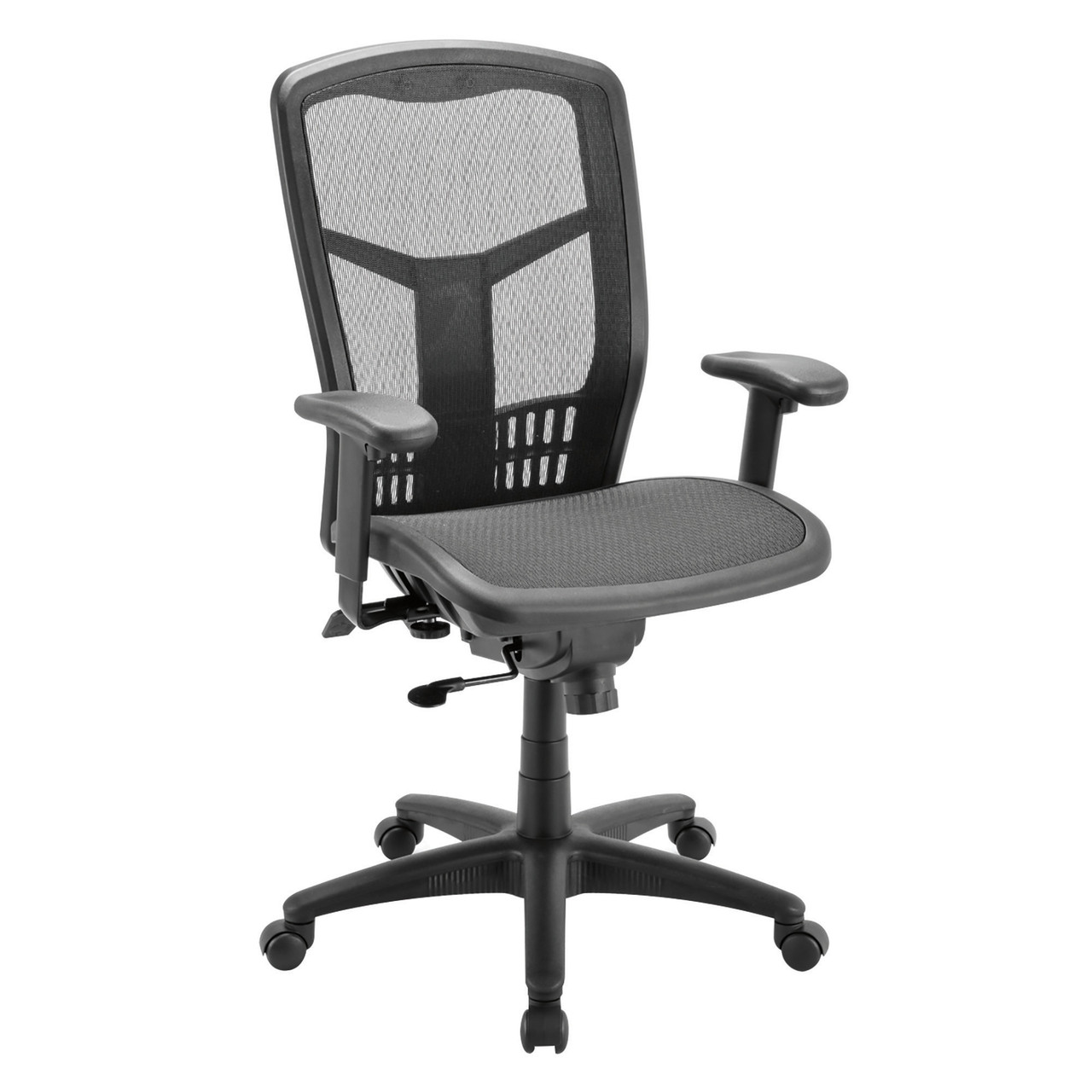
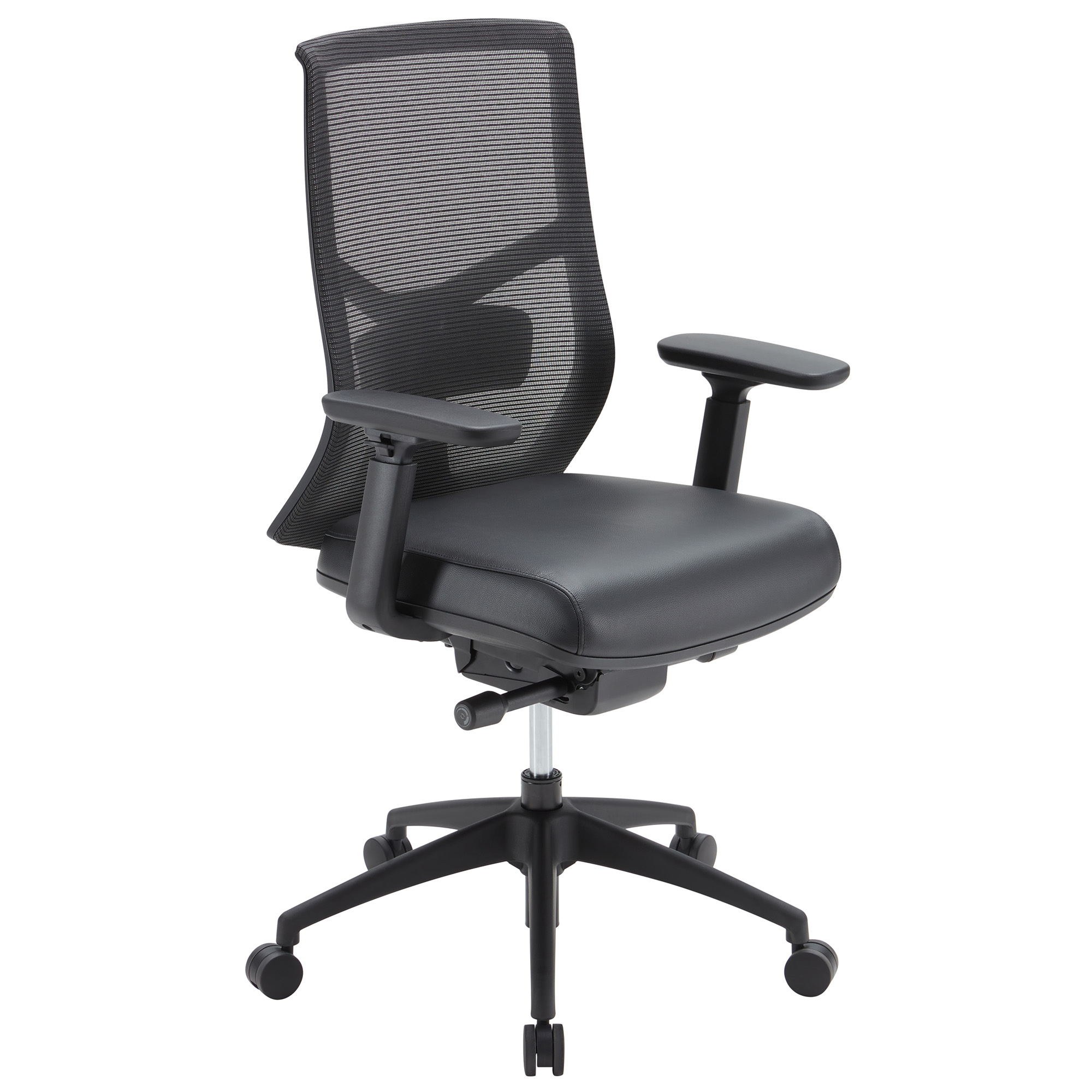
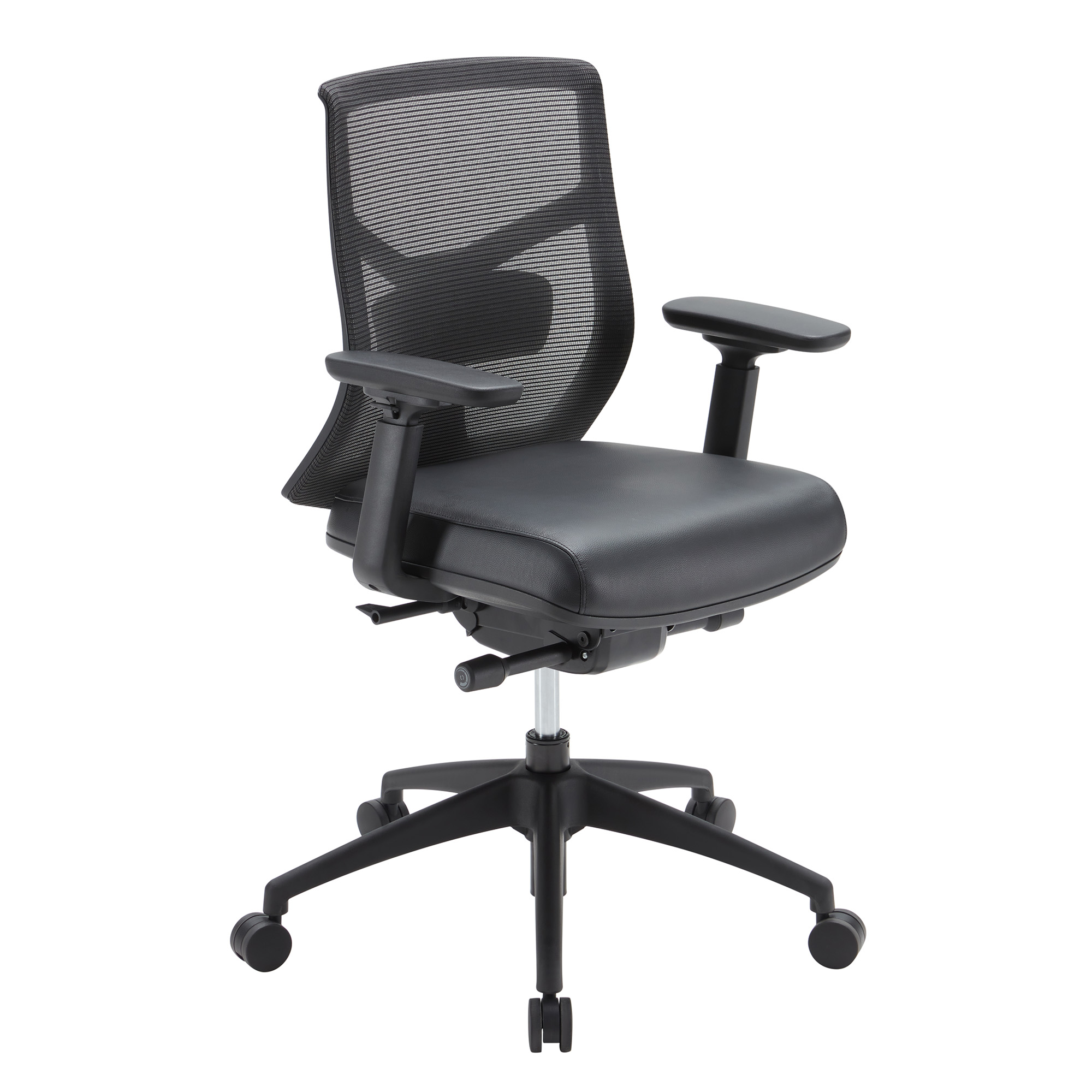
A good task work chair starts with ergonomics that do more than just look polished. Seat height adjustment lets your feet land flat, lumbar support keeps your lower back from slumping, armrest adjustability takes pressure off the shoulders, and a seat slider or depth setting helps match different leg lengths. Back height and tilt tension matter too, especially when you lean in and out all day. Breathable upholstery can be the difference between staying focused and feeling sticky by 3 p.m.
In my experience, a chair can look premium and still feel wrong if the dimensions miss the user. What good is a sleek chair if it leaves you fidgeting by 2 p.m.? That’s why task work chairs are common at desks, reception stations, hot desks, and shared workspaces—adjustability matters more when one seat needs to fit many people. I’d avoid choosing on looks alone. Common mistakes include ignoring seat depth, skipping arm adjustment, and never testing the lumbar zone. If you’re comparing options, a task chair category helps you focus on the core spec set instead of getting distracted by flashy finishes. The comfort and value guidance from our earlier post also pairs well with this thinking.How Do Materials and Build Quality Change the Experience?
Construction details have a huge impact on comfort, durability, and long-term value. A sturdy frame, higher-density foam, and clean welds usually hold up better in busy offices than bargain materials that flex or wear quickly. Upholstery changes the whole feel: mesh runs cooler and suits warmer rooms, faux leather looks sharp and wipes clean easily, and fabric tends to feel softer and more approachable. Finishes matter too, because modern buyers want streamlined designs that fit hybrid work without making a room feel bulky.
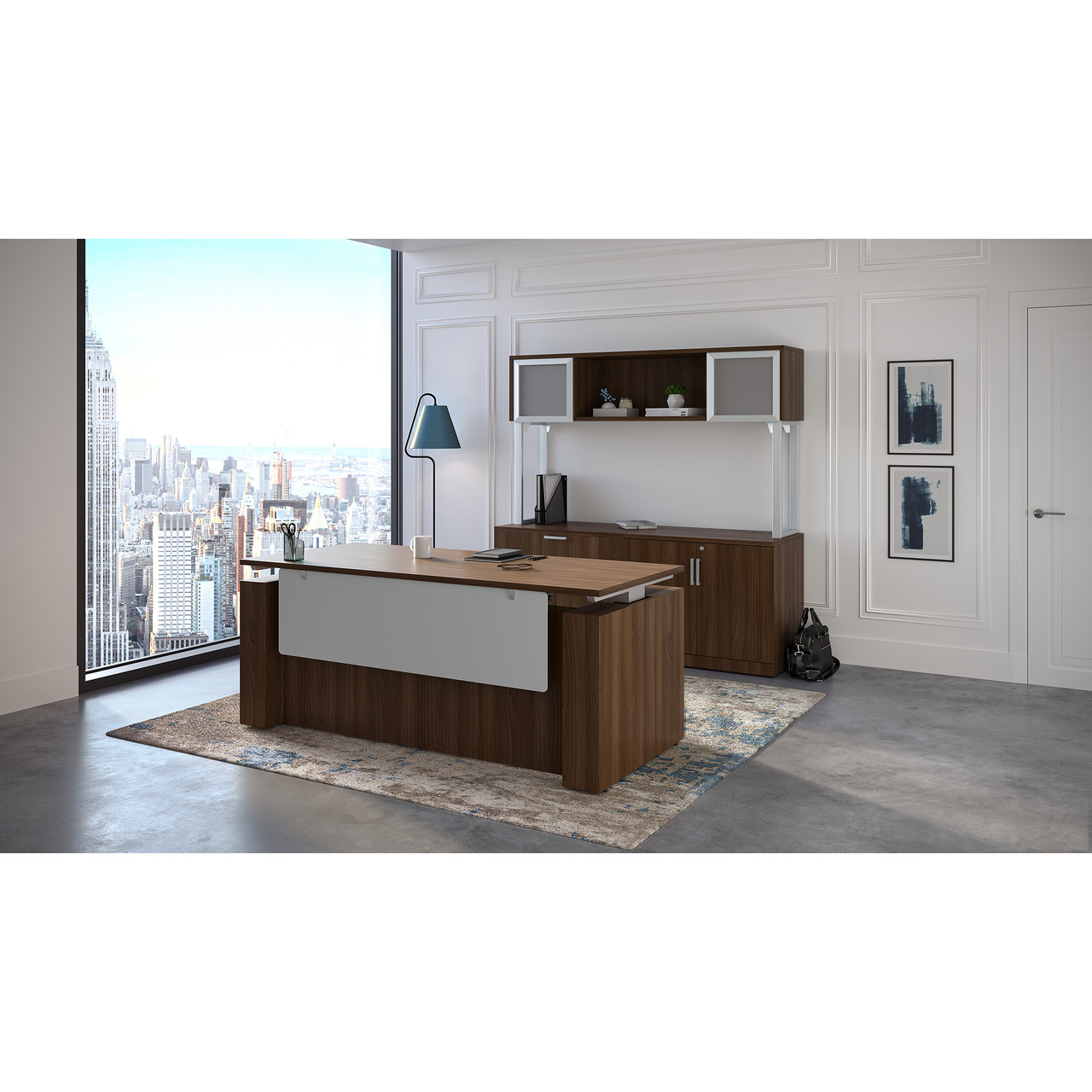
That trend makes sense. Offices are trying to do more with less, and they want chairs that blend into desks, chairs, tables, reception areas, and storage layouts without shouting for attention. Premium seating can be worth it for heavy daily use, but not always. A small team or home office may get better value from a simpler model that still has the right support. I usually think in lifecycle cost, not just sticker price: a chair that lasts longer and needs fewer replacements can save real money. There’s also a sustainability angle here—durable seating creates less waste over time. In other words, build quality is not just about comfort; it’s about smarter planning across the office furniture ecosystem.Which Features Deliver the Best Value for Different Workstyles?
Different workstyles call for different task work chairs, and that’s where value gets interesting. Call-center staff often need breathable backs, easy-to-clean materials, and solid lumbar support because they sit for long stretches. Designers, analysts, and IT staff may care more about arm movement and seat comfort during deep-focus sessions. Private offices, shared workstations, conference support seating, and front-desk reception areas all have slightly different needs.
A chair that fits the room layout and supports the actual job will usually outperform one with a longer spec sheet. I’ve seen teams buy the “best” chair on paper, only to realize people kept adjusting it wrong—or not using the features at all. That’s a waste. Are you buying for one person, or for a whole team with different body types? If it’s a shared setup, check neutral styling, easy adjustments, and whether the chair works with existing office furniture. For task chair options by category, start with the basics: measure desk height, check floor type, confirm arm clearance, and test seat depth before buying. Sometimes a mid-range chair with the right ergonomics beats a premium chair loaded with extras nobody uses. That’s just practical.How Should You Think About Comfort, Support, and Office Setup Together?
A task work chair should always be chosen as part of the full workstation, not in isolation. Chair height needs to work with desk height, monitor placement shapes posture, and accessories like keyboards, mouse pads, and tables can either help or hurt your setup. A good starting position is simple: feet flat, knees near 90 degrees, elbows relaxed, and the screen top near eye level. Even the best chair can feel bad if the rest of the station is off.
When lower back discomfort shows up, I usually check lumbar placement and seat depth first. If shoulder tension creeps in, I look at armrests and desk height. That IT-style troubleshooting approach saves a lot of guesswork after long screen sessions, because tiny setup errors stack up fast. Offices in Indianapolis, Indiana, and elsewhere are also juggling hybrid schedules, so chairs need to work for different users across the week. That’s one reason consistent adjustability matters so much. My take? Comfort, durability, and fit matter more than flashy branding. When the whole setup works together, people sit better, stay focused longer, and complain less. And honestly, that’s the goal.OfficeSource Starlight High Back Luxe Task Chair vs. OfficeSource Interchangeable Seat Cover for 656M
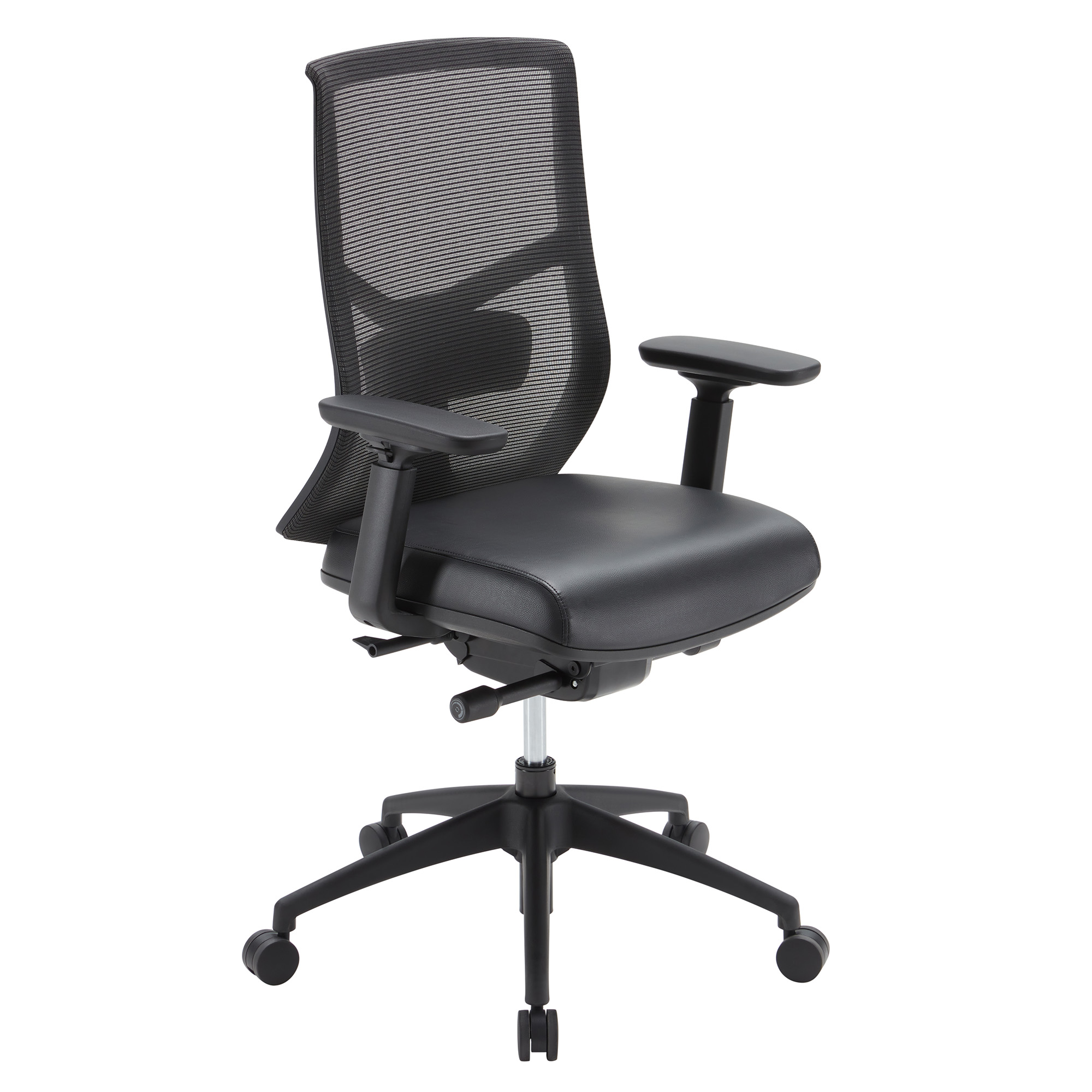
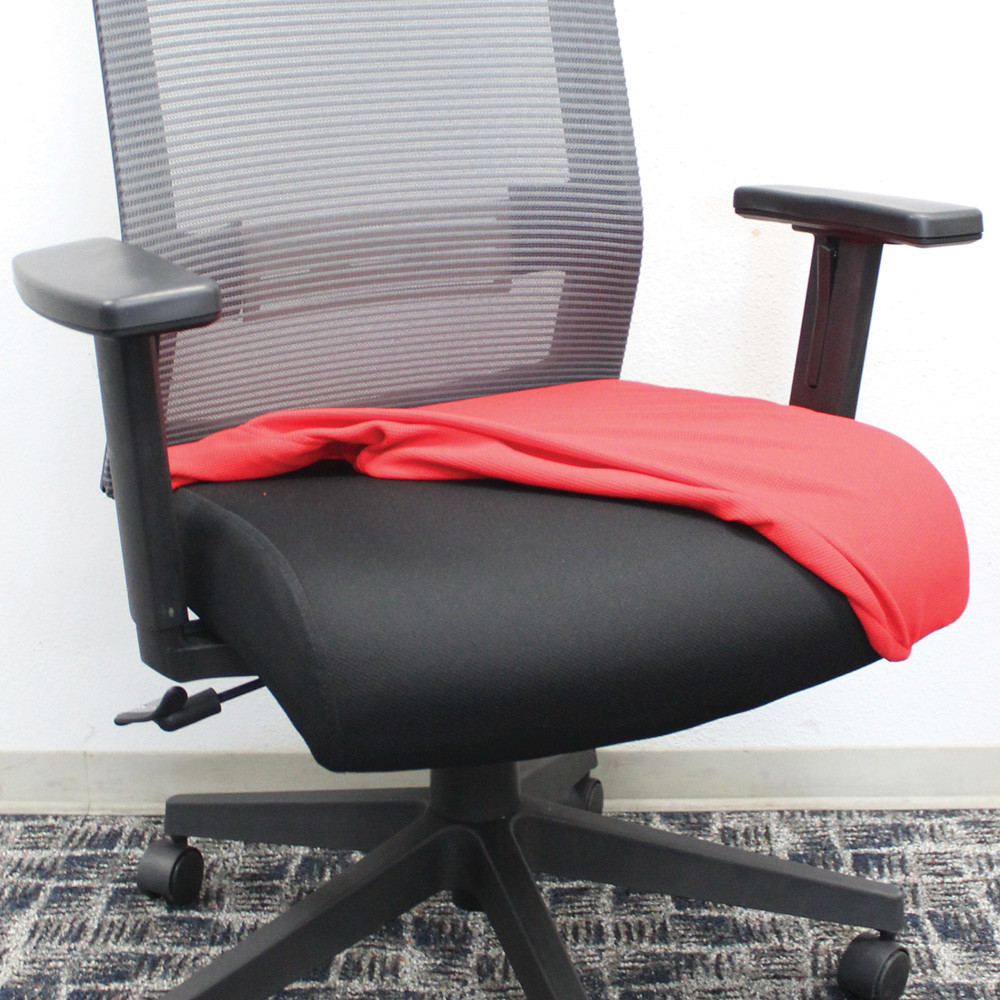
If you’re choosing between the Starlight chair and the interchangeable 656M seat cover, you’re really comparing two different buying strategies. The Starlight High Back Luxe Task Chair is the all-in-one ergonomic upgrade: high-back support, adjustable lumbar support, 4D armrests, and a seat slider make it a strong pick for long work sessions, manager offices, and high-use task areas. The interchangeable 656M seat cover is more about refreshing existing chairs, with eight upholstery colors plus antimicrobial options that help with branding and hygiene in shared spaces. If your business already owns 656M chairs, the cover may be the smarter value play because it extends chair life without replacing the whole seat. For a broader look at selection strategy, how to choose the right task chair for comfort and value is a useful next step.
How Do You Choose and Set Up a Task Work Chair the Right Way?
Start with the use case: home office, shared workspace, reception, or a daily workstation. Then measure desk height, seat-height range, and arm clearance so the chair won’t clash with the setup. Next, prioritize the adjustments you’ll actually use—lumbar support, seat depth, armrest movement, and tilt control usually matter most. Test posture before buying: feet flat, hips supported, shoulders relaxed. After that, think about upholstery and maintenance based on traffic and climate. If you’re outfitting a team, compare a few models side by side and verify warranty, lead times, and replacement parts.
A few best-practice tips go a long way: sit in the chair for at least 10–15 minutes, check caster type for carpet versus hard floors, and don’t buy based on photos alone. I’ve made that mistake before, and it’s annoying to discover a chair looks great but doesn’t fit the room. A simple workflow is usually best: define the job, measure the space, test the comfort, and review service support. If you want to compare styles and specs directly, the lineup on the official OfficeSource website is a solid place to start.Conclusion
At the end of the day, a good task work chair supports comfort, focus, and long-term value—but only when it fits the person and the workspace. The biggest takeaways are pretty clear: ergonomics, adjustability, materials, and real-world use case matter more than flashy branding. Premium options can be excellent in the right setting, especially for all-day use, yet a thoughtful mid-range chair is often the smarter buy for many offices. That’s especially true when you’re balancing desks, tables, reception areas, and storage planning as one complete environment. From my perspective, the best chairs disappear into the workflow; people just sit down, get to work, and stop thinking about the chair. And that’s a good sign. When chairs match the work being done, people usually sit better, work longer, and complain less. If you’re ready to narrow things down, compare features carefully, think about daily routines, and choose from the task work chair category with comfort in mind for week one and beyond.
Frequently Asked Questions
Common questions about Task & Work Chairs