Big & Tall Chairs: Which Office Seating Fits Best for Comfort, Support, and Real-World Use?
A lot of people assume office chairs are all the same, but big and tall seating is built for a different job. In Indianapolis, Indiana or anywhere else, the right chair affects comfort, posture, productivity, and even how polished a reception or conference room feels. The best chair isn’t always the priciest one—it’s the one that fits the body, space, and daily use. Current trends include heavier-duty frames, antimicrobial vinyl, mesh breathability, and flip arms. Explore OfficeSource’s big and tall seating options and see what matters most.
What Actually Makes a Big & Tall Chair Different?
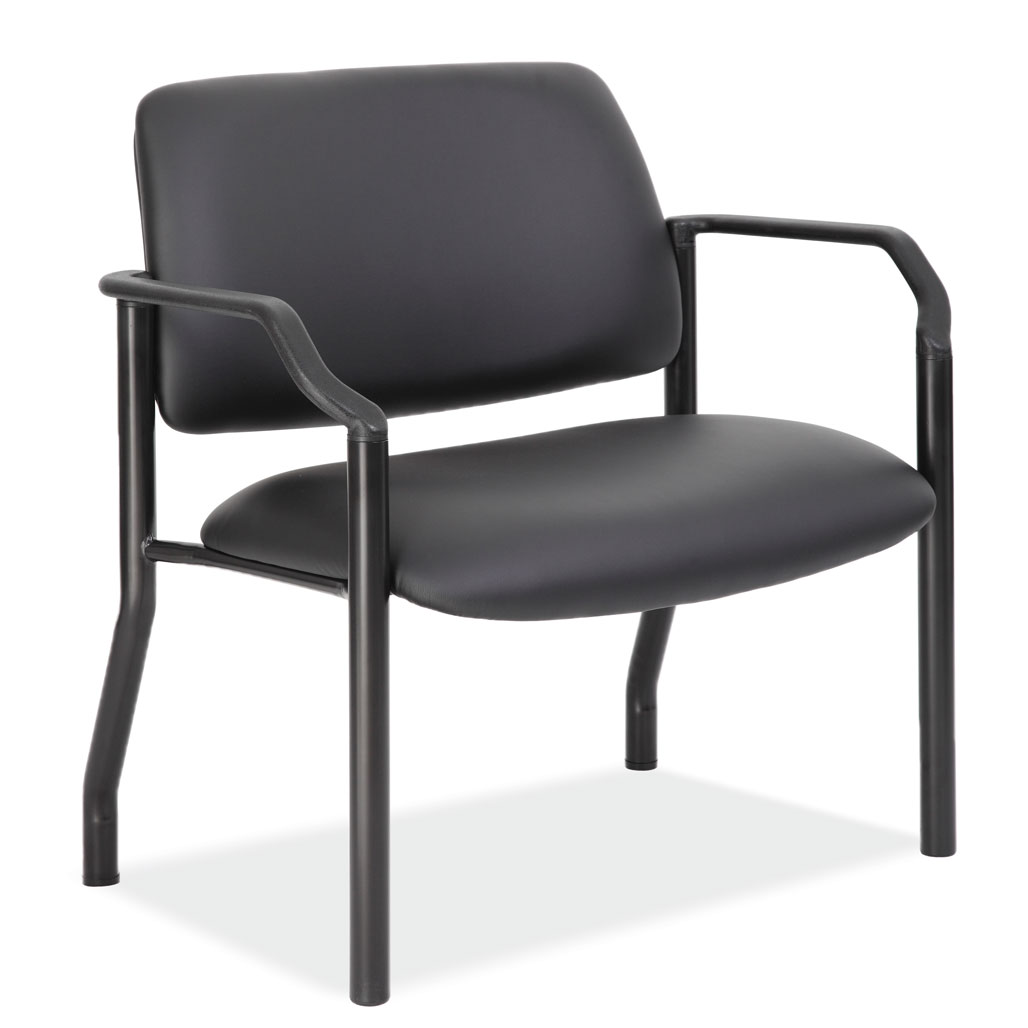
Big and tall chairs start with stronger specs: higher weight capacity, wider seat dimensions, reinforced steel frames, taller backs, and more stable bases. A 300- to 400-pound rating is common, but capacity alone doesn’t guarantee comfort. The real difference is in ergonomic design—broader support, contoured armrests, waterfall seat edges, thicker padding, and durable upholstery like black antimicrobial vinyl or mesh. From an IT-professional angle, it’s a bit like choosing the right workstation hardware: the right chair prevents bottlenecks, awkward posture shifts, and those annoying mid-afternoon breaks.
I’ve seen offices buy stylish chairs that looked perfect in the showroom and then gave up after a few months. That’s the trap. Premium options can be worth it, but if the chair will only see light or occasional use, you usually don’t need the top shelf model. A solid fit matters more than flashy extras, and a well-matched seating category often delivers the best day-to-day result. If you’re comparing options, a practical buying guide can help you narrow the field before you spend too much time on style alone.Comfort and Value: Where Big & Tall Chairs Really Pay Off
Comfort isn’t a luxury in office seating; it’s a productivity tool. When a big and tall chair supports the body well, people usually fidget less, focus longer, and handle meetings or desk sessions without feeling worn down. That matters in reception areas, shared offices, conference rooms, and study spaces where chairs get used hard. A stable chair also feels more secure, which is a big deal when different users rotate through the same room.
In my experience, quality office furniture often saves money over time because it lasts longer and needs fewer replacements. That’s why a midrange big and tall chair can be the smarter buy versus a premium one, especially in mixed-use spaces. You’re balancing cost, comfort, and durability, not chasing the fanciest spec sheet. The bonus? Better seating tends to work with desks, tables, storage, and other office furniture so the whole setup feels intentional instead of patched together. Offices in Indianapolis, Indiana often want furniture that looks professional without overspending, and that’s where breathable mesh and antimicrobial surfaces are getting more attention. A few years ago, those features felt like upgrades; now they’re often expected in commercial spaces. If you’re planning a cohesive workspace, pair your chair search with a broader office furniture category strategy so the room works as a system, not a pile of parts.Where Big & Tall Chairs Fit Best in Real Offices
Big and tall chairs fit best where the seating has to do real work: executive offices, front-desk reception seating, conference rooms, collaborative spaces, study areas, and private workstations. Guest chairs and task chairs serve different goals. Guest seating usually focuses on presentation and short-term comfort, while task chairs need adjustable support for all-day use.
That distinction matters more than people think. In offices with varied body types, shared workstations, or higher traffic, big and tall chairs simply reduce friction. I once saw an office manager replace mismatched chairs in a reception area and, almost immediately, complaints dropped and the room looked cleaner, more professional, less cluttered. Funny how that happens. Best-fit scenarios usually include heavy daily use, employees who sit for long stretches, and spaces that need a durable, polished appearance. On the other hand, if the chair is for occasional visitors only, a simpler model may be enough. The point is to match the chair to the workload, room layout, and frequency of use. For more setup ideas, the office seating category is a good place to compare options against the real demands of your space. And if you’re still mapping the bigger picture, the comfort-versus-value discussion is worth revisiting before you commit.Features to Compare Before You Buy
Before you buy, compare the basics: frame material, seat width, back height, upholstery type, arm style, weight rating, mobility, and maintenance. A steel frame and antimicrobial vinyl are often better when wipe-clean durability matters, while mesh works well for airflow in warmer rooms or long task sessions. Flip arms can help a chair slide under desks or tables more easily, while fixed arms may feel sturdier for guest seating.
Common mistakes to avoid: buying by looks alone, ignoring seat depth, and forgetting to measure desk clearance. Those three mistakes cause most of the buyer’s remorse I’ve seen. A quick pro tip: guest seating should feel welcoming, while task seating should feel functional. If the chair fights the room, the room loses. That’s why big and tall chairs should complement desks, storage, tables, and reception layouts instead of competing with them. In other words, the best choice is usually the one that fits the user and the room, not the flashiest one on the page. If you’re comparing styles, a commercial office seating category can make the differences easier to spot without getting lost in marketing language.OfficeSource Big & Tall Guest Chair vs. OfficeSource Ryde High Back Mesh Task Chair
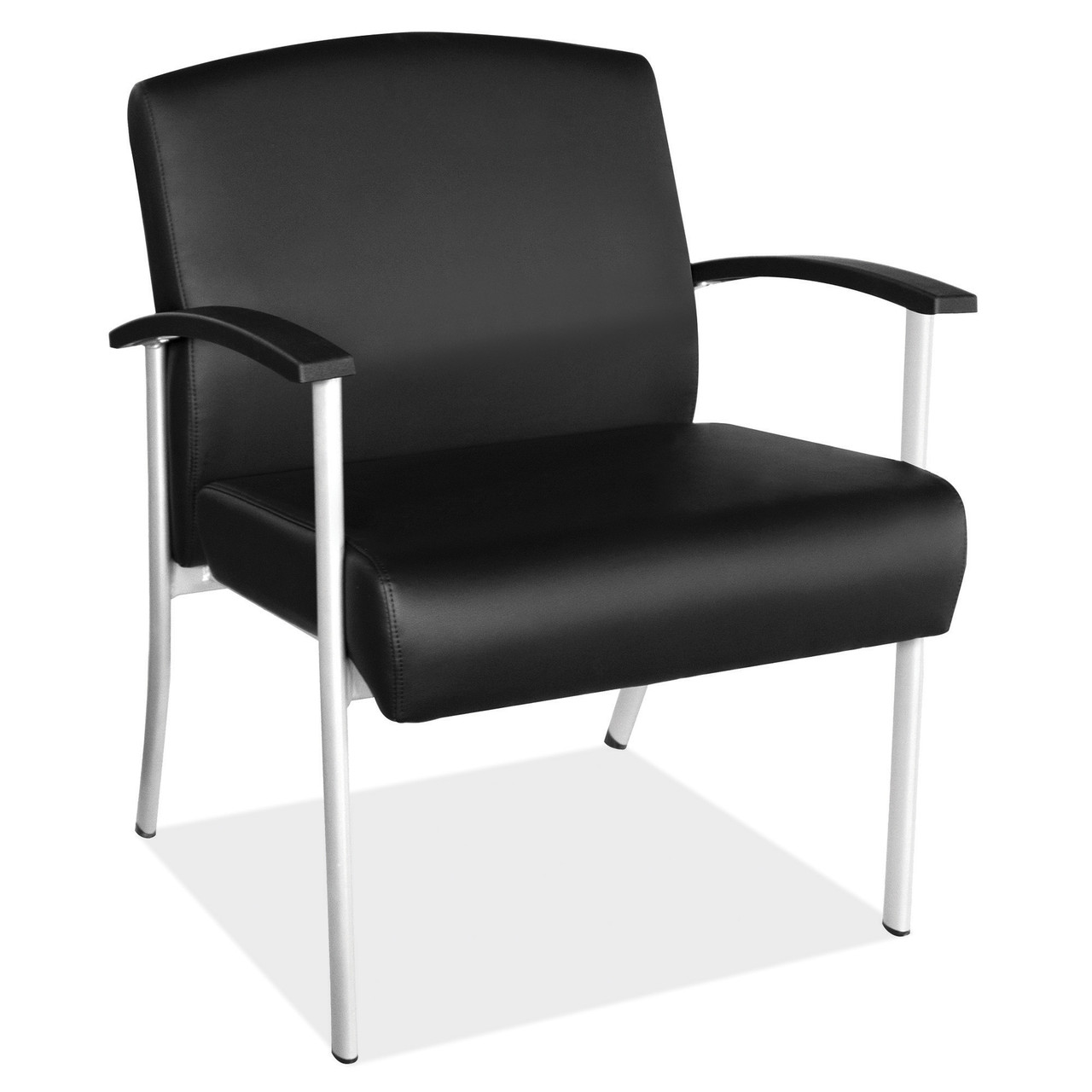
If you’re weighing a reception-friendly option against a daily task chair, the OfficeSource Big & Tall Guest Chair with Arms and Black Frame - 22"W is a strong pick for visitor seating, conference areas, and front-of-house spaces. Its 300-pound rating, contoured arm rests, black antimicrobial vinyl, waterfall seat design, and steel frame make it feel polished and durable.
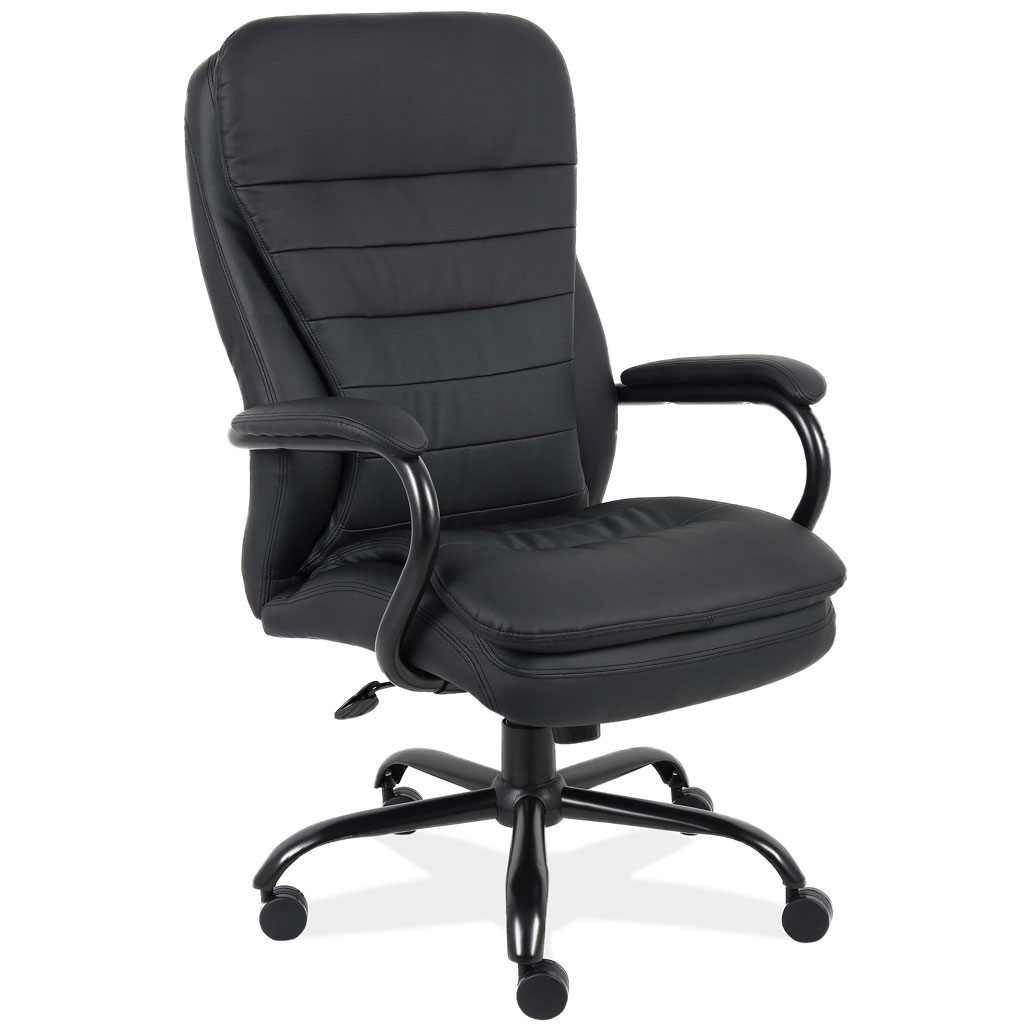
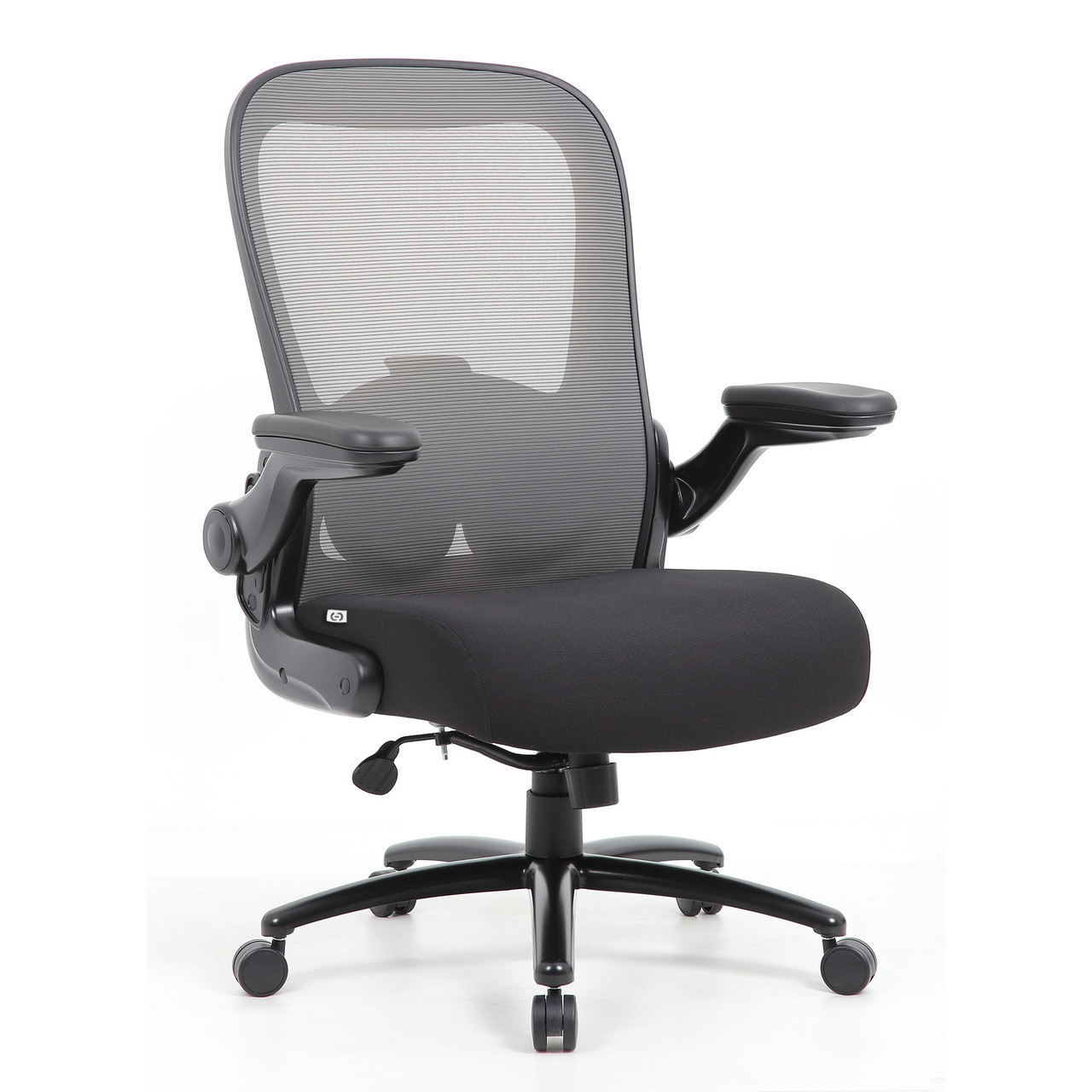
By contrast, the OfficeSource Ryde Big & Tall High Back Mesh Task Chair with Flip Arm leans harder into ergonomic support with a 400-pound capacity, breathable mesh, high-back support, and flip arms that adapt better to desk work. In practical terms, the guest chair is better for short-to-medium sitting periods and presentation, while the Ryde chair is the better buy for long desk sessions, board rooms, and study spaces. I’d say the guest chair wins on front-of-house appearance, while the Ryde chair wins on airflow and adjustability. The right choice depends on whether you care most about presentation, breathability, or heavier-duty task performance.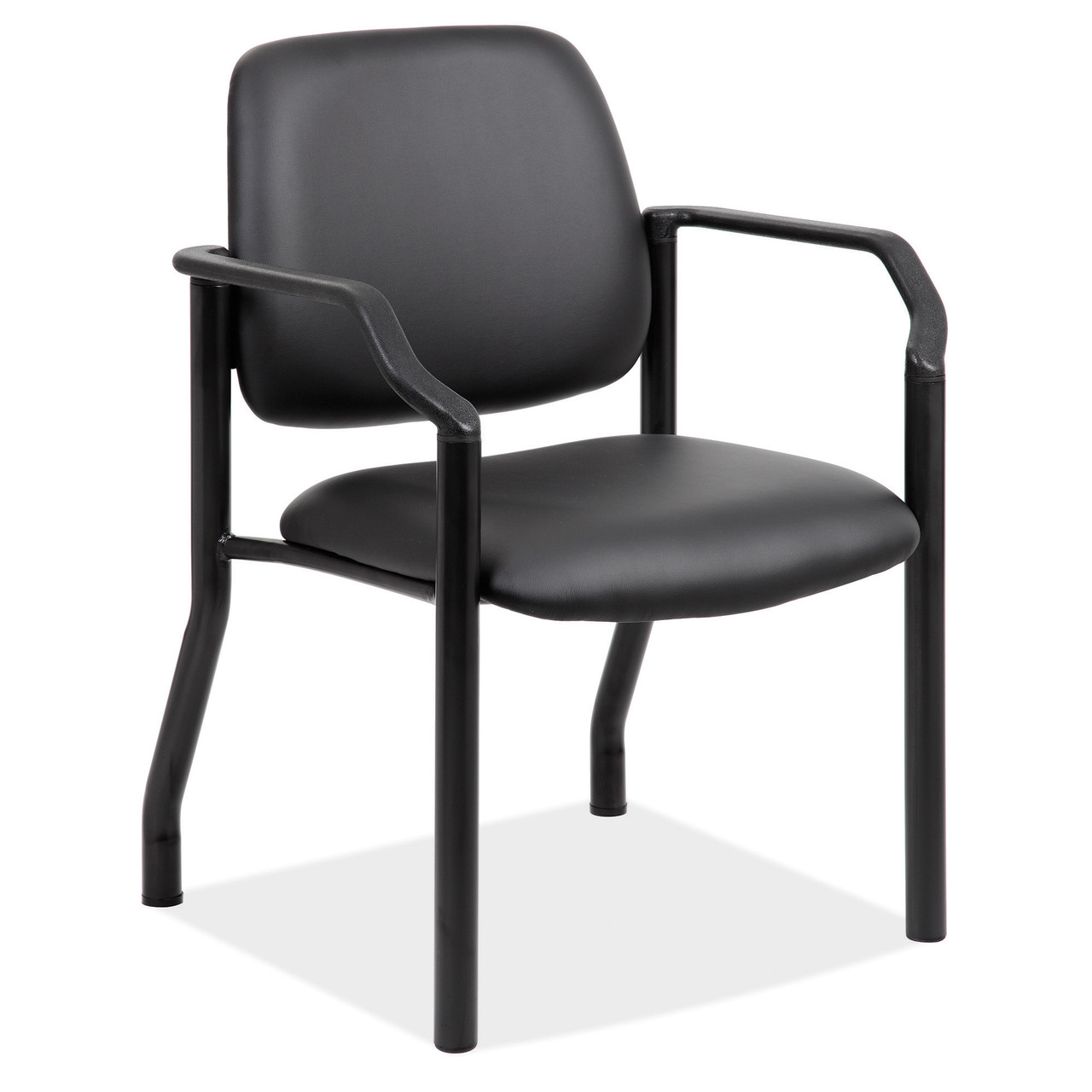
How to Choose and Set Up Big & Tall Seating the Smart Way
Start with measurements—user size, room size, and desk or table clearance. Don’t guess; that’s where most setups go sideways. Step 2: decide whether the chair is for guest seating, all-day task work, or a mix of both. Step 3: check the weight rating, seat width, arm style, and back height against the real use case. Step 4: match upholstery and frame style to the environment: vinyl for easy cleaning, mesh for airflow, steel for durability.
Step 5: place the chair in the room and test spacing around desks, tables, and storage so movement feels natural, not cramped. Step 6: fine-tune posture support, monitor height, and arm placement so the user isn’t reaching or slouching. If the chair feels too tight, the seat may be too narrow; if the user overheats, mesh may be the better option. Quick Wins: swap in a better chair before replacing the whole workstation—that’s usually the fastest comfort upgrade. In my experience, that one move solves more complaints than people expect.Conclusion
Big and tall chairs are about more than capacity numbers—they’re about comfort, durability, and fitting real office needs. The best chair depends on the environment: a guest chair can be ideal for reception and conference use, while a mesh task chair usually makes more sense for longer work sessions. That balance matters because strong seating supports productivity, improves the look of office furniture, and can reduce replacement costs over time.
Premium isn’t always better, either. Sometimes a midrange chair is the smartest choice for the budget, the workload, and the room. Offices in Indianapolis, Indiana and beyond often need flexible furniture solutions that work with desks, tables, storage, and reception layouts without feeling overbuilt or underdone. I’ve found that the best results come from comparing specs carefully, thinking about daily use, and being honest about what the space actually needs. If you do that, the chair won’t just fill a spot—it’ll support the room. For a closer look at the options, explore the big and tall seating category and narrow it down from there.Frequently Asked Questions
Common questions about Big & Tall Chairs