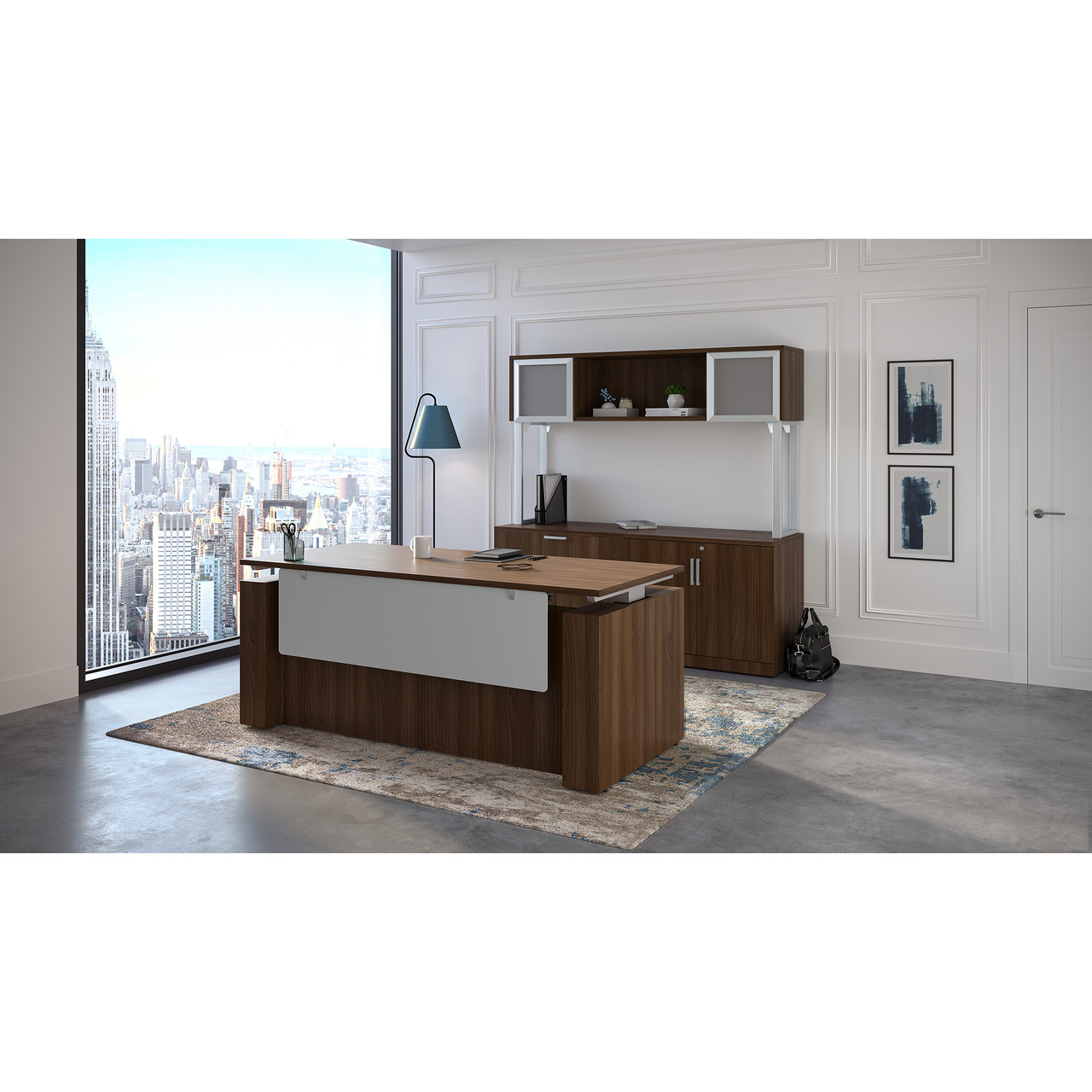
Which Conference Table Suite Fits Your Office Best?
What does your meeting space say about your office furniture? Conference table suites do more than fill a room—they shape collaboration, first impressions, and daily workflow. In hybrid offices, the right tables, chairs, and seating can make meetings faster and less awkward. From my IT angle, when the room is set up well, tech works better, people speak up more, and there’s less “can everyone hear me?” friction. That matters in reception-adjacent rooms, training spaces, and multi-purpose areas.
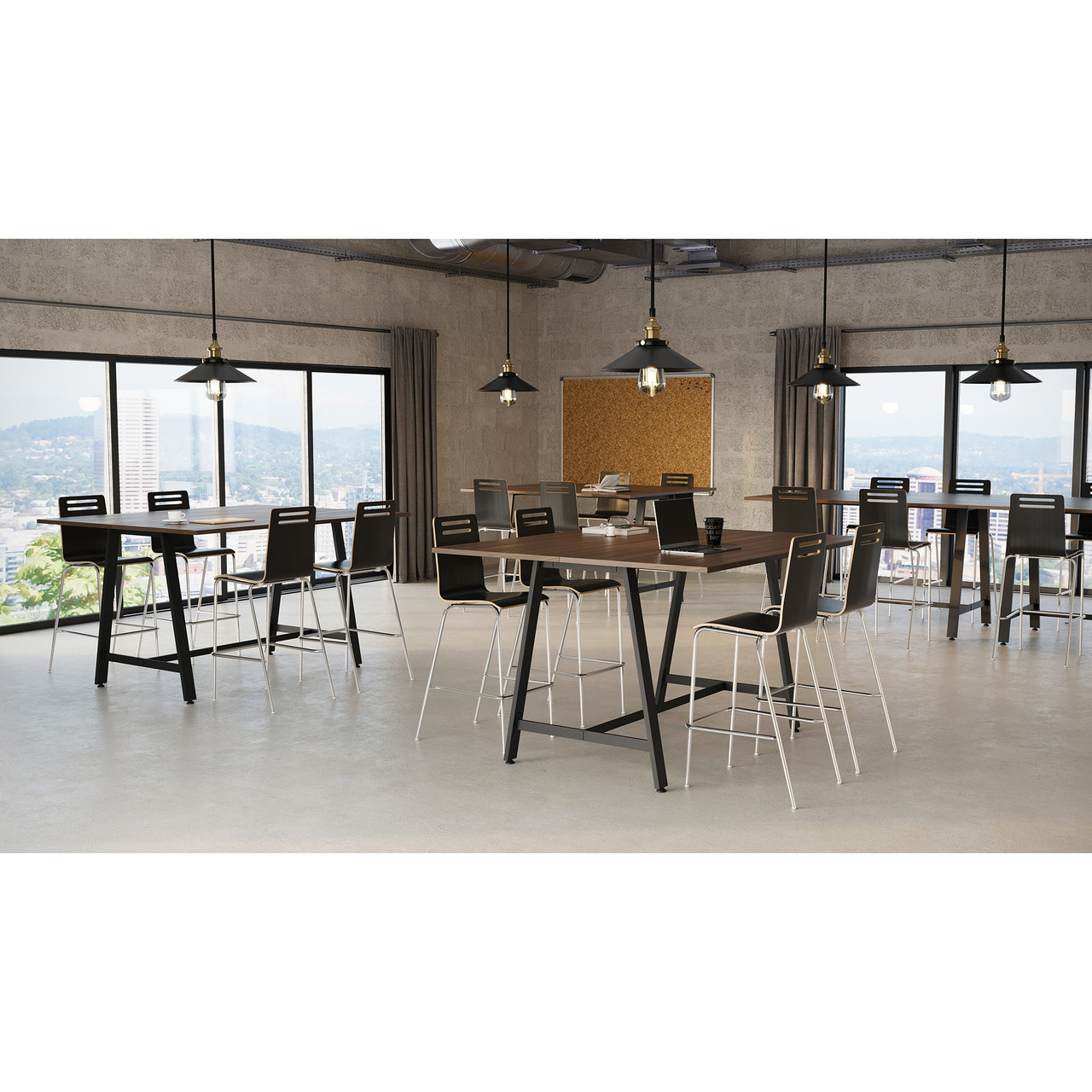
Start With the Build: Size, Shape, and Everyday Function
When I help teams choose conference table suites, I usually start with the basics: size, shape, leg style, finish, and how the suite fits the room. A 5-foot tabletop can be a smart fit for compact spaces, while a rectangular layout usually gives cleaner sightlines for presentations and easier cable routing. Tri-leg support adds stability, and it also helps keep knee space open, which people notice fast when meetings run long.
Easy-clean surfaces matter too. Scratch resistance, stain resistance, and a finish that doesn’t look tired after a year all add up. If your office already has matching desks, chairs, and storage, the whole space feels intentional instead of pieced together. I’d also say this is where conference table suites follow current market trends: smaller, flexible meeting spaces are in demand, and modular furniture is often the best answer because teams need rooms that can do more than one job. Quick Win: measure the room before you shop. It sounds obvious, but it saves a lot of frustration. Premium build quality is great, sure, but not every office needs the most expensive option to get real value.Why the Right Suite Improves Meetings, Not Just Looks
A good conference table suite does more than upgrade the photo op. It improves communication by giving everyone clear sightlines, enough elbow room, and a setup that feels professional to clients, vendors, and internal teams. In my experience, offices often overlook how much a stable surface helps. When a laptop wobbles, people get distracted, notes get messy, and setup time drags on before calls. With the right suite, laptops, docking stations, and displays usually fit the room without awkward workarounds.
Better seating alignment can also support posture and focus, especially during longer sessions when people start shifting around. That’s a real productivity gain, not just a comfort perk. And here’s the nuance: premium options aren’t always worth it if the room gets used only once in a while. A sturdy mid-range suite can deliver the best return on investment. If you’re comparing room functions more deeply, the meeting-use comparison framework is a helpful next step. My rule of thumb is simple—don’t overspend on style and underinvest in practicality. Long-term value, easy maintenance, and daily workflow matter more than a nice-looking catalog shot. Sometimes the boring choice is the smart one, and that’s okay.Where Conference Table Suites Fit Best in Real Offices
Conference table suites work especially well in executive meeting rooms, team huddle spaces, training rooms, client presentation areas, and flexible multi-purpose offices. They’re a strong choice when one room has to handle formal meetings in the morning and casual collaboration in the afternoon. I’ve seen them pair nicely with reception-adjacent seating, storage cabinets, and nearby workstations to create a consistent furniture layout. If your team is growing in Indianapolis, you may need a table suite that can handle weekly planning meetings, vendor visits, and occasional video conferences without a full redesign.
Seasonal demand matters too. End-of-year budget planning, onboarding waves, and project kickoff periods usually put extra pressure on meeting rooms, so sizing the suite for real usage pays off. Match seating capacity, cable access, room clearance, and traffic flow before you buy. Common Mistakes to Avoid: buying a table that’s too large, ignoring chair clearance, or forgetting where the power and data ports live. For offices browsing broader options, the conference table suite category can make it easier to compare layouts that support both work and hosting. The goal isn’t just to fill space—it’s to make the room work harder without feeling crowded.What to Watch for Before You Buy: Specs, Budget, and Long-Term Value
Before ordering, compare dimensions, leg style, finish, seating capacity, and assembly requirements. Those details sound small, but they decide whether the suite feels smooth to use or annoying every day. Lower-cost office tables often work fine for occasional meetings, while higher-end tables can make sense when the room is used heavily. I usually tell buyers to think about durability, warranty, maintenance, and whether the suite can be reconfigured later if the office grows.
There’s also an environmental angle here: furniture that lasts longer usually means less replacement waste, which is a nice bonus when budgets and sustainability both matter. Try to match the suite with existing chairs and storage so the room feels coordinated. If you want a broader buying framework, conference table suite planning and setup guidance is worth a look. Expert advice: check doorways, elevator access, and delivery paths before you order—older office buildings can surprise you. Offices often focus on looks first, but the better move is balancing function, footprint, and total cost of ownership. In the long run, smart buying usually means fewer headaches, less swapping, and a meeting room that keeps earning its place.OfficeSource OSTYPC11 vs. OfficeSource OSTYPC32: Which One Fits Better?
If you’re comparing two practical options, OfficeSource Typical OSTYPC11 is the simpler fit: four tri-legs, a rectangular tabletop, and a 5-foot span that works well in smaller conference rooms, compact work areas, or even a home office that needs a stable meeting surface. It’s straightforward, easy to place, and usually the smarter choice when footprint matters. By contrast, OfficeSource Conference/Multi-Purpose Tables Conference Typical - OSTYPC32 is better suited for broader conference and multi-use setups where the room needs more flexibility. That makes it a stronger pick for collaboration, training sessions, or rooms that shift between tasks.
In my view, OSTYPC11 is the no-drama option for tight spaces, while OSTYPC32 gives office planners more room to adapt. If your space is already crowded with desks, chairs, and storage, the smaller table may actually be the better buy. If the room needs to do more than one job, though, the multi-purpose option usually wins on versatility.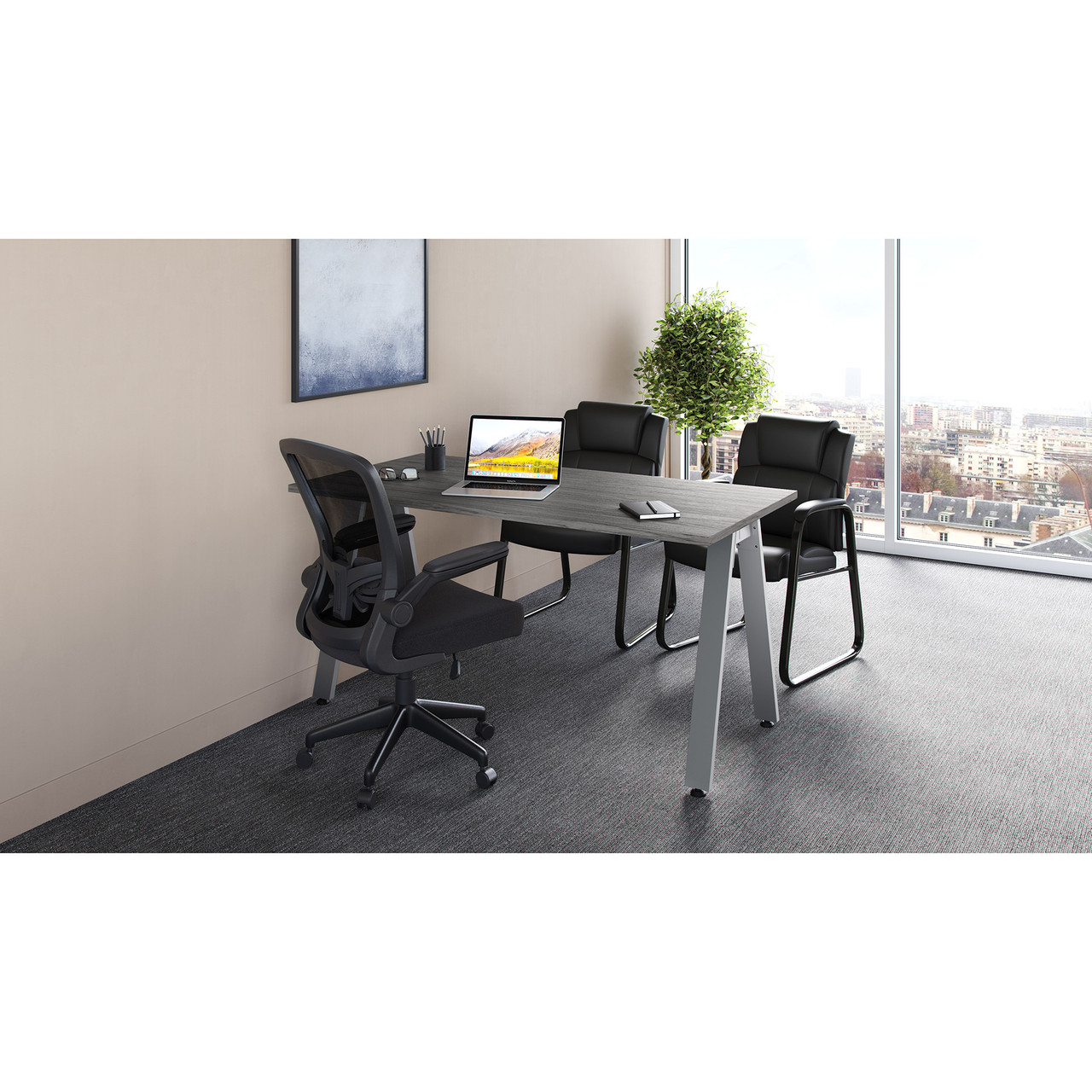
How to Set Up a Conference Table Suite Without the Guesswork
Start by measuring the room length, width, door swing, and walkway clearance. That’s step one, and it prevents most headaches later. Step two: map power, data, and display connections, especially if laptops or video calls are part of the workflow. Then place the table first, not the chairs, so you can confirm the room still feels open.
Step four is lighting—check glare, screen visibility, and where people will sit relative to windows or fixtures. Step five: test cable management so cords don’t turn into clutter or a trip hazard. Step six: add matching storage or reception-style furniture if the room also faces clients. Leave extra clearance for rolling chairs, and don’t overfill the space with accessories just because they look nice. Quick fix: if the layout feels cramped, rotate the table or reduce seating before buying a bigger unit. I’ve seen that save people from unnecessary returns more than once. Setup gets a lot easier when you plan around how people actually work, not how you wish they worked.Conclusion
At the end of the day, the best conference table suites balance size, durability, value, and real-world function. That’s the big takeaway. Office furniture choices affect meetings, client impressions, and how smoothly teams collaborate, so it pays to think beyond style alone. The right suite is rarely the flashiest one; it’s the one that fits the room, supports the work, and holds up over time. Budget matters, layout matters, and future flexibility matters too. In my experience, offices that plan around actual use cases end up happier with the purchase, even if the process feels a little slower up front. And whether your space is in Indianapolis, Indiana or anywhere else, the same rule applies: measure carefully, match the suite to your workflow, and don’t ignore the little things like seating clearance and cable routing.
If you’re ready to narrow things down, compare options, think through your room needs, and choose a table suite that makes meetings easier, not harder. Start exploring the conference table suites category and build a room your team will actually want to use.Frequently Asked Questions
Common questions about Conference Table Suites