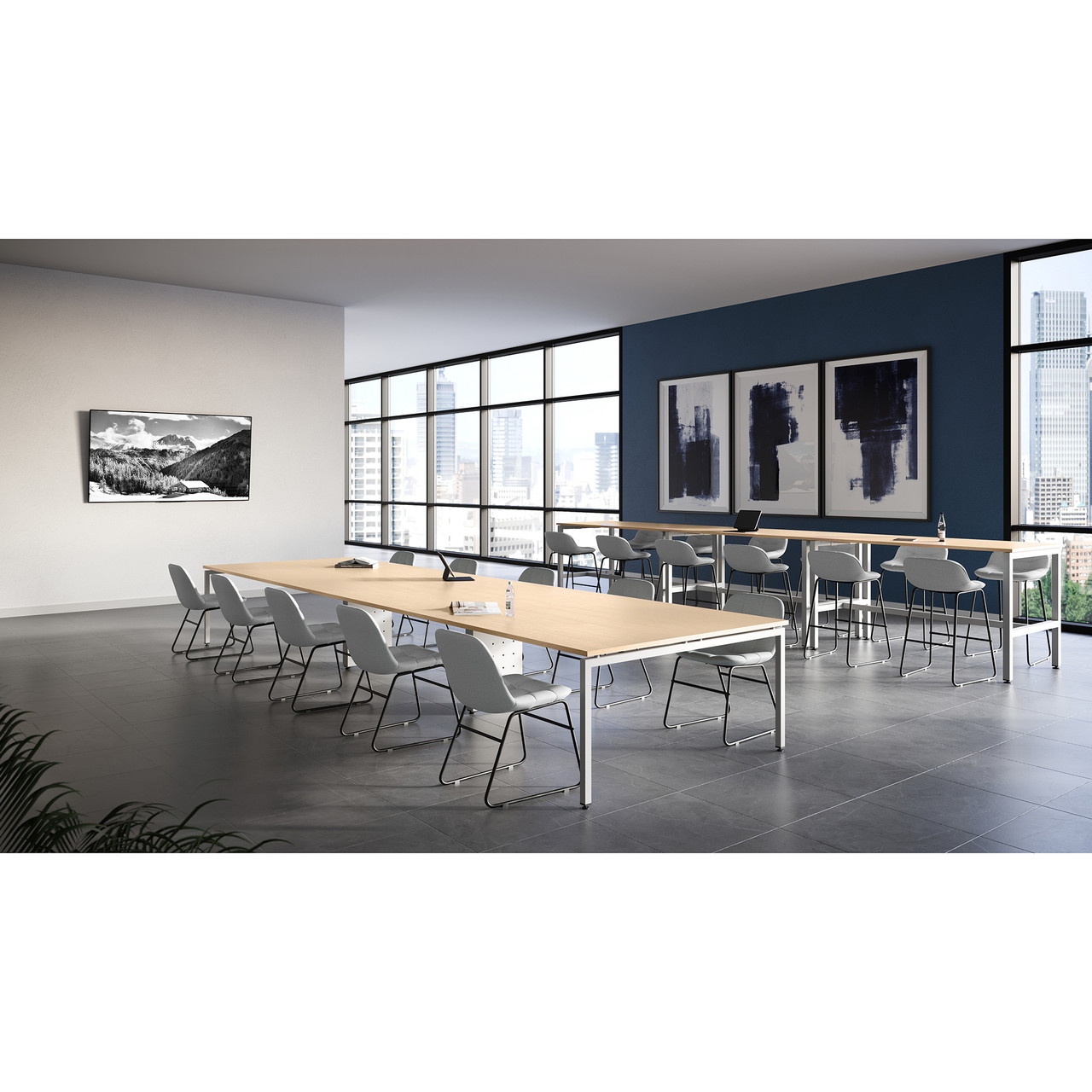
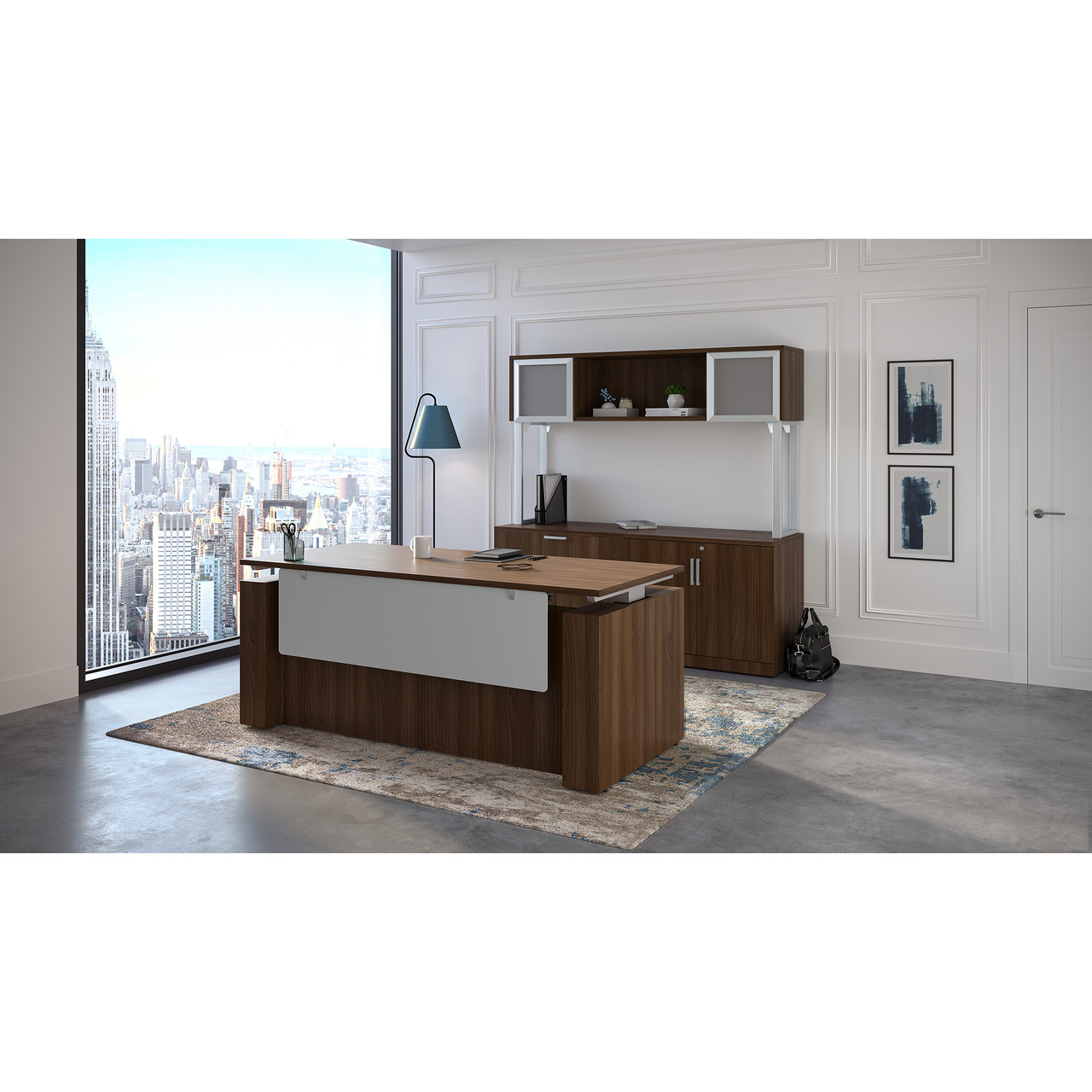
Which Conference Table Should You Buy: Style, Space, and Teamwork Benefits Explained
A conference table does a lot more than fill the middle of a room—it shapes meetings, first impressions, and daily productivity. In office furniture planning, it usually sits right beside desks, chairs, reception, and storage as the collaboration centerpiece. From an IT perspective, I’ve seen a well-set room save real time: fewer laptop cable tangles, fewer power-cord hunts, fewer awkward seating angles. With hybrid meetings, multipurpose spaces, and cleaner cable management now standard, the right table matters more than ever. This guide helps you choose one that fits size, style, budget, and use case—without overspending on premium extras you may not need. Does your current room feel productive, or just crowded?
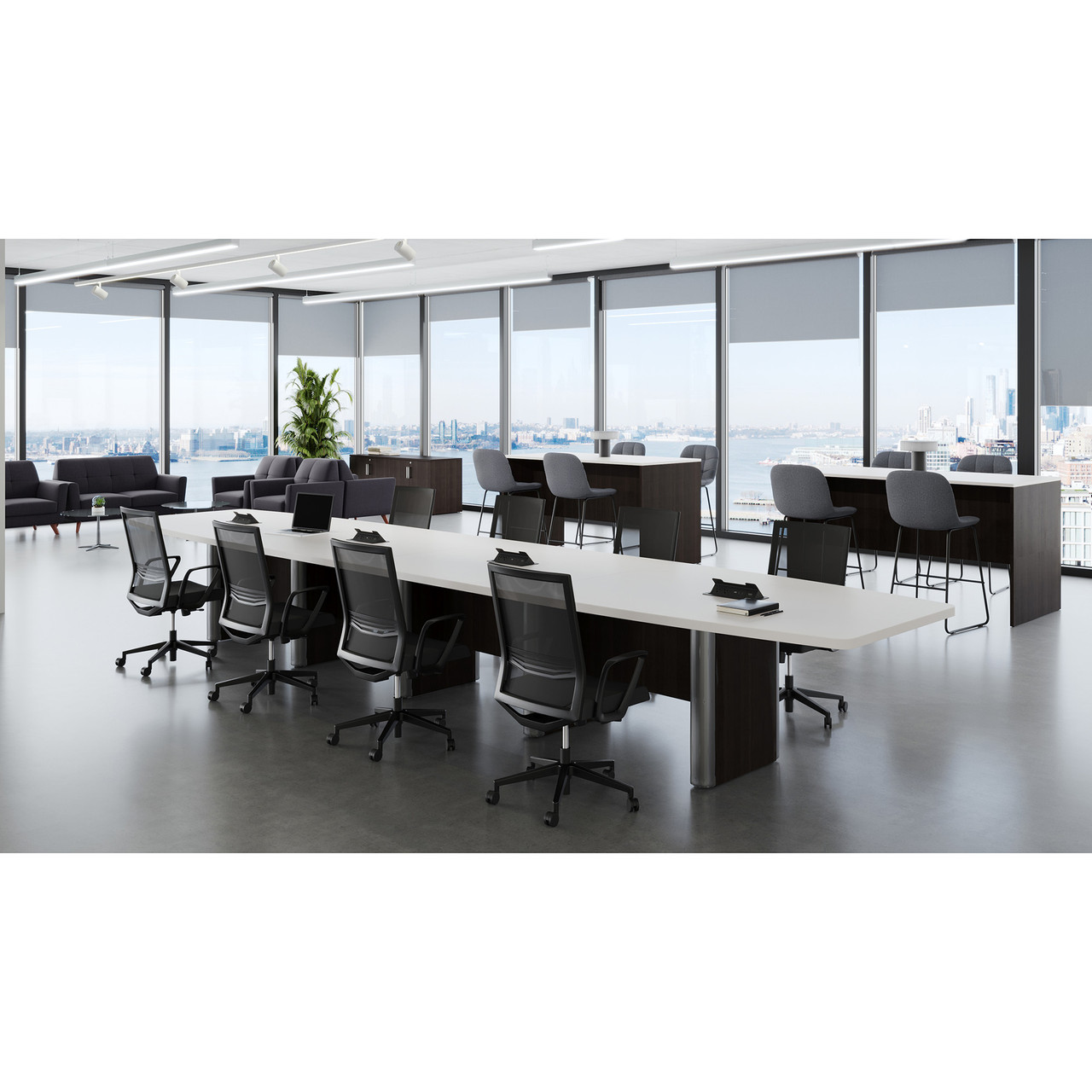
Start With the Room, Not the Catalog
The smartest conference table purchase starts with measurements and traffic flow, not a glossy catalog photo. Room size, door swings, wall clearance, chair pull-back space, and screen placement all affect how usable the space feels once people actually sit down. A small huddle room may only need a compact surface, while larger boardrooms usually work better with longer or boat-shaped tops.
In office furniture in Indianapolis, Indiana, especially in older buildings, awkward layouts are pretty common, so dimensions matter even more. I’ve seen a beautiful table fail because it blocked a storage cabinet, cramped the walkway, or left no room for seating. That’s the kind of mistake that turns a meeting room into a squeeze. The table should support the rest of the office too—desks, chairs, reception, and storage need to coexist without the conference area feeling overloaded. In my experience, a tape measure saves more money than any catalog ever will. Browse the office furniture category before you decide, and think about how the room will feel at 8 a.m. on a Monday. When the fit is right, it almost disappears because everything else just works.Features That Actually Make Meetings Easier
When you compare conference tables, focus on the features that make daily work smoother. Surface durability, edge profiles, finish quality, cable access, modular construction, and base stability all matter more than flashy extras. Laminate tops are often a strong value for busy teams, while thicker tops and reinforced bases usually hold up better in high-traffic rooms.
Scratch resistance, easy cleaning, and stain resistance become real benefits in rooms used every day, especially for project reviews, client presentations, team standups, and training sessions. Power and connectivity are another big one: built-in grommets, cable ports, and under-table routing reduce clutter and keep laptops, displays, and chargers under control. That’s a huge win in hybrid meetings, where people are jumping between in-person discussion and video calls. Premium finishes can be nice, sure, but they’re not always worth it if the room is used only occasionally. I’d rather see buyers spend on lifespan, replacement parts, and maintenance than on a surface that looks fancy for six months. A well-built table should save time and frustration, not create more of it. If you want to see how table features fit into a broader plan, this conference table buying guide connects the dots well. For a manufacturer overview, the OfficeSource official site is a useful place to compare options.How Conference Tables Support Real Work
The best conference table depends on how the room is actually used, not just how it looks on paper. Leadership meetings, cross-functional planning sessions, and client-facing presentation rooms each need a different setup. Rectangular and boat-shaped tables can improve sightlines for video conferencing, while multipurpose tables often work better for training, workshops, or casual collaboration.
Think about the real-world scenarios: a small startup with shared seating, a law office that needs professionalism and confidentiality, or a growing company in Indianapolis, Indiana, trying to make one room handle interviews, quarterly reviews, and brainstorms. Table shape affects conversation flow too—boat shapes usually help with visibility, while standard tops can feel more formal and structured. There’s also a sustainability angle here that I think gets overlooked. Long-lasting furniture is usually the smarter buy than replacing a cheap table every few years. And honestly, the most expensive option isn’t always the best if the room’s needs are still evolving. If you’re comparing layouts and room functions, the conference table space-planning tips can help you think it through. The right table supports people, process, and presentation all at once, and that balance is where the real value lives.Picking the Right Style Without Guessing
Style matters because a conference table should connect visually with the rest of the office furniture, not look dropped in at random. Desks, chairs, reception areas, and storage should feel coordinated so the whole office reads as intentional. Woodgrain finishes are a classic fit for traditional businesses, while neutral laminate, darker executive tones, and light modern finishes each send a different message.
Lighter finishes can make a small room feel bigger, while darker tones often look more formal and grounded. Color, edge detail, and base style all shape how clients and employees read the space, even if they don’t say it out loud. Quick pro tip: match the table to the room’s lighting and wall color so the setup doesn’t feel heavy or outdated. At the same time, style should support function. A beautiful table that’s hard to clean or too fragile for daily use becomes a headache fast. I usually tell people to ask one simple question: do you want the room to feel welcoming, executive, creative, or highly efficient? That answer should guide the final choice—and if you want to coordinate the full setup, the office furniture planning approach makes it easier to keep everything aligned.OfficeSource Table Showdown: Two Smart Options for Different Needs
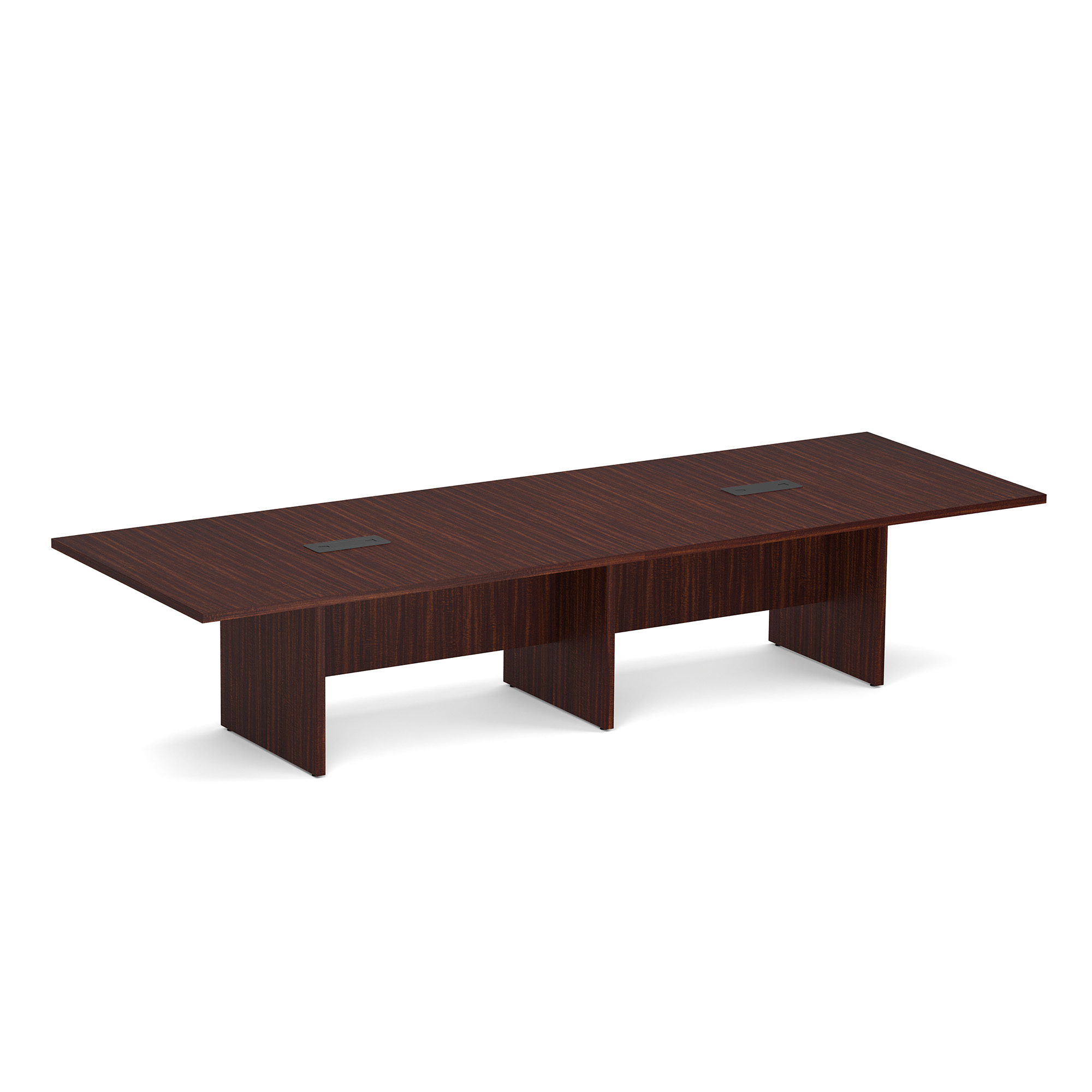
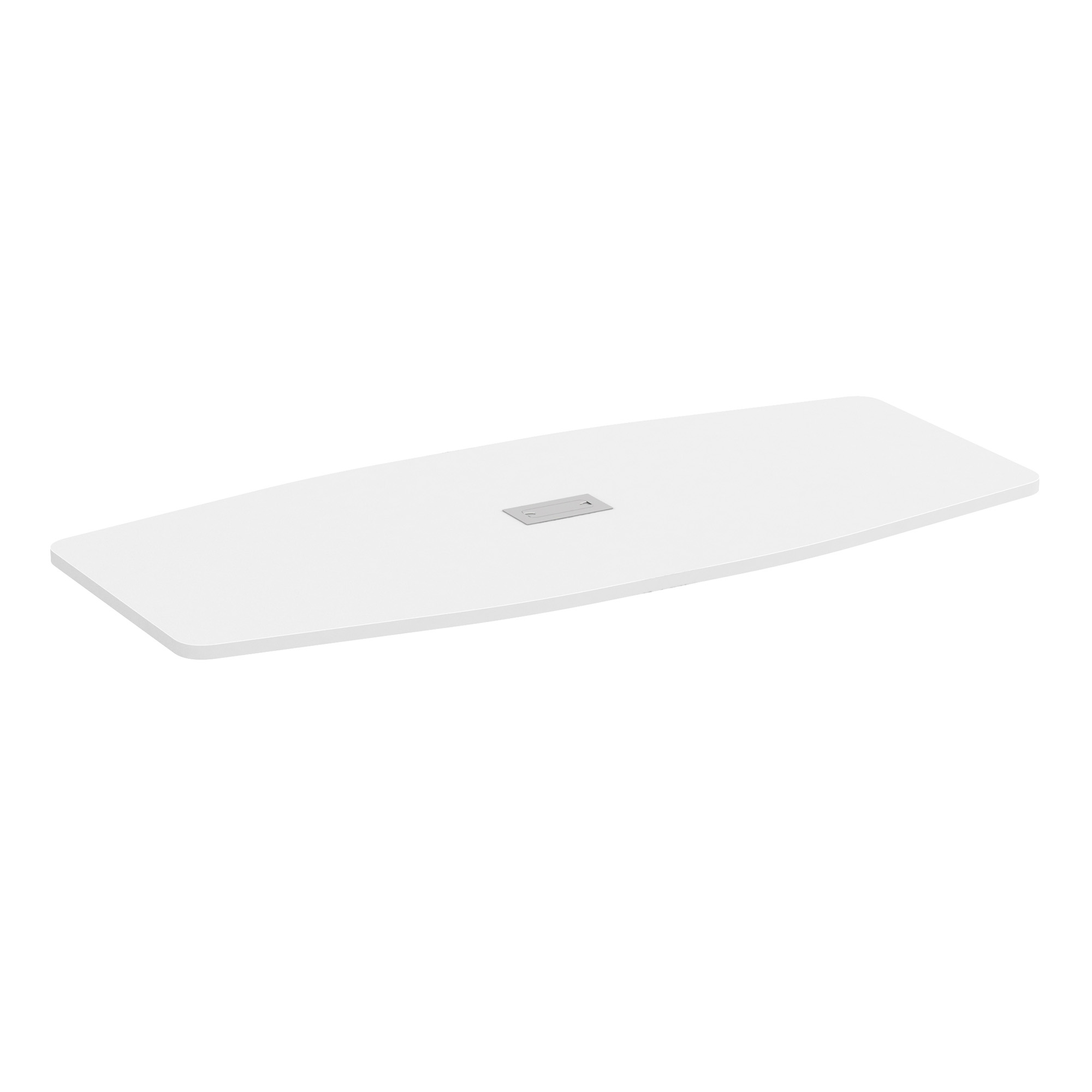
When comparing OfficeSource | OS Conference | Typical OS438 with OfficeSource | OS Conference/Multi-Purpose | 8' Boat Shaped Table Top - Requires Base, the difference is mostly about meeting style and room feel. The Typical OS438 is a straightforward conference solution that usually works well when a team wants a dependable, traditional setup with a clean professional look. The boat-shaped top feels more collaborative, improves sightlines, and can make hybrid meetings less awkward because people can see each other and the screen more easily. That said, the boat-shaped option requires a base, so buyers should factor in total cost, setup, and installation needs. The Typical OS438 often suits standard boardrooms, while the boat-shaped top is a stronger fit for presentations, planning sessions, and rooms where visibility matters. Some teams don’t need the more premium-feeling shape, especially if the room is simple or budget-sensitive. Bottom line: both are viable, but the best choice depends on layout, meeting style, and whether the table needs to do one job or several.
How to Choose and Set Up Your Conference Table
Choosing and setting up a conference table gets a lot easier when you break it into a few simple steps. Step 1: measure the room, including clearance for chairs, screens, doors, and walking paths. Step 2: decide how the room will be used most often—client meetings, internal collaboration, training, or hybrid video calls. Step 3: choose the shape and size that match that use case, then compare finishes and base styles.
Step 4: confirm whether the table needs accessories like power modules, cable management, or a separate base. Step 5: place the table in the room and test the flow before final installation. A few quick best practices help a lot: leave enough elbow room, keep cable runs short, and align chairs with where people will actually sit. If you’re moving furniture into an older building, watch for uneven floors and tight corners. That’s where good planning saves headaches. And if the room is part of a larger office furniture refresh, coordinate the conference table with desks, chairs, reception, and storage at the same time. Setup is where a good purchase becomes a great one.Conclusion
At the end of the day, the best conference table is the one that fits the room, supports the way your team meets, and lasts long enough to justify the spend. Size, shape, durability, layout, and real use cases should guide the decision. You don’t need the fanciest option to get a professional result; honestly, a well-matched mid-range table is often the smarter buy. Conference tables also live inside a bigger office furniture ecosystem, so they should coordinate with desks, chairs, reception, and storage. With hybrid work, flexible rooms, and multipurpose layouts still shaping the market, practicality usually wins. In my experience, the rooms people love most are the ones that feel easy to use, not impressive for the first five minutes only. So measure your space, compare your options, and choose a table that helps meetings run smoother from day one. Start by exploring the right fit in our conference table category.
Frequently Asked Questions
Common questions about Conference Tables