How Do You Choose Guest Seating That Makes a Reception Feel Professional, Comfortable, and Worth the Investment?
Guest seating is usually the first thing people notice in a reception, meeting room, or waiting zone. It does more than fill space; it shapes first impressions, supports comfort, and can influence how clients, vendors, and candidates feel about your business. In office furniture planning, it has to work with desks, chairs, tables, and storage without crowding the room. In my experience, offices in Indianapolis, Indiana often need seating that balances durability, style, and flexible layouts. Today, we’ll look at features, value, use cases, and a practical comparison of two Aiden models.
What Guest Seating Needs to Do in a Real Office
Guest seating has a simple job on paper, but in a busy office it has to do quite a lot. It should look professional the second someone walks in, stay comfortable for a short wait or a longer delay, and hold up to steady traffic without feeling tired after a few months. That usually means paying attention to padded seats, arm style, seat count, and frame stability.
Some offices also benefit from modular seating that can shift with different reception footprints, especially when the layout changes for meetings or hybrid workdays. And no, a premium tag doesn’t automatically mean better value. Sometimes a clean, durable, no-nonsense option is exactly what a space needs. Does your seating actually match how people use the room, or is it just taking up space? When planning office furniture, it helps to think about the nearby desks, tables, and storage too, because the best guest seating feels intentional rather than dropped in at the last minute. I’ve seen offices improve both comfort and workflow just by choosing pieces that fit the room instead of fighting it. For a broader look at seating categories, the guest seating collection is a smart place to start. Current market trends point toward flexible layouts, multipurpose spaces, and furniture that supports frequent visitors without looking bulky. That’s why comfort and durability keep coming back as long-term value drivers. If you replace seating less often, the budget tends to breathe a little easier.How Style, Arm Design, and Layout Change the Whole Room
Design details do more than decorate a room; they change how it works and how people feel inside it. Half arm versus full arm is a good example. A half arm style usually reads lighter, takes up less visual space, and can make a small reception area feel more open. Full arms, on the other hand, often create a more polished, enclosed lounge feel that can signal comfort and formality.
Layout matters just as much. Where the seating sits in relation to the door, check-in desk, tables, and storage affects traffic flow, guest capacity, and whether the room feels calm or cramped. A well-placed paired table or side surface can make a big difference too, because people need somewhere to set a laptop, a folder, or a coffee. In law offices, a more structured look is often a plus. In medical reception areas, easy movement and clear pathways matter more. Coworking spaces may want lighter, more adaptable pieces. And in Indianapolis office suites, I’ve noticed that one awkward chair layout can make even nice furniture feel rushed or cluttered. That’s why the best guest seating supports the room instead of competing with it. If you want to dig deeper into layout choices, how arm style and layout shape a guest area is worth a look. Meanwhile, a smaller office can still feel upscale if the seating lines up with the architecture and doesn’t overwhelm the sightlines. That’s the quiet win: the room feels better without trying too hard.Why Comfort and Durability Drive Long-Term Value
Comfort and durability aren’t extras; they’re the value drivers. A guest seat with generous padding, supportive construction, and sturdy materials can cut down on complaints, improve the experience for visitors, and last long enough to justify the spend. The wear points are easy to forget: cushions flatten, armrests scuff, and frames loosen if the build quality isn’t there. That’s why commercial-grade guest seating usually makes sense in higher-traffic offices.
Quick Wins for buying guest seating: measure the space, match seating to visitor volume, and prioritize upholstery and frame quality over flashy add-ons. Premium options can be smart, sure, but if the seating is only used occasionally, you may not need every upgrade under the sun. In my opinion, that’s where a lot of buyers overthink things. They chase features they’ll never really notice. A better question is: what will this chair or sofa feel like after a year of daily use? Longer-lasting furniture can also reduce replacement cycles and waste, which is a small but real sustainability win. And when guest seating complements desks, chairs, tables, and storage, the whole office feels more composed. If you’re comparing broader options, the office furniture seating category can help frame the decision. In the end, durability is often the hidden savings, because the cheapest seat isn’t always the least expensive one.When the Aiden Line Makes Sense for Modern Offices
The Aiden line tends to make sense when a modern office wants a clean, current look without overcomplicating the layout. It works well in reception spaces, collaborative offices, client-facing rooms, and compact waiting areas that need to feel organized fast. What I like about it is the consistency—when one seating family can run through different zones, the whole office feels more intentional.
A startup in Indianapolis might use it for flexible guest seating during pop-in meetings. A professional services office may prefer it for a polished reception. A clinic could like the easy-to-maintain feel while still keeping things welcoming. And yes, sometimes a simpler 2-seater is the better business choice than a larger unit, especially when space is tight or visitor flow is lighter. That’s where office furniture planning really earns its keep. The right seating can make a room feel larger, calmer, and more organized, especially when paired with smart desks, tables, and storage nearby. If you’re comparing finishes, specs, and availability, I’d suggest reviewing OfficeSource’s official site alongside your layout notes. For a more detailed fit discussion, the Aiden setup comparison can also help. My honest take? The best purchase is the one that matches style, scale, and budget to actual office use, not just the photo in the catalog.OfficeSource Aiden 2-Seater with Half Arm vs. OfficeSource Aiden 4-Seater with Full Arm
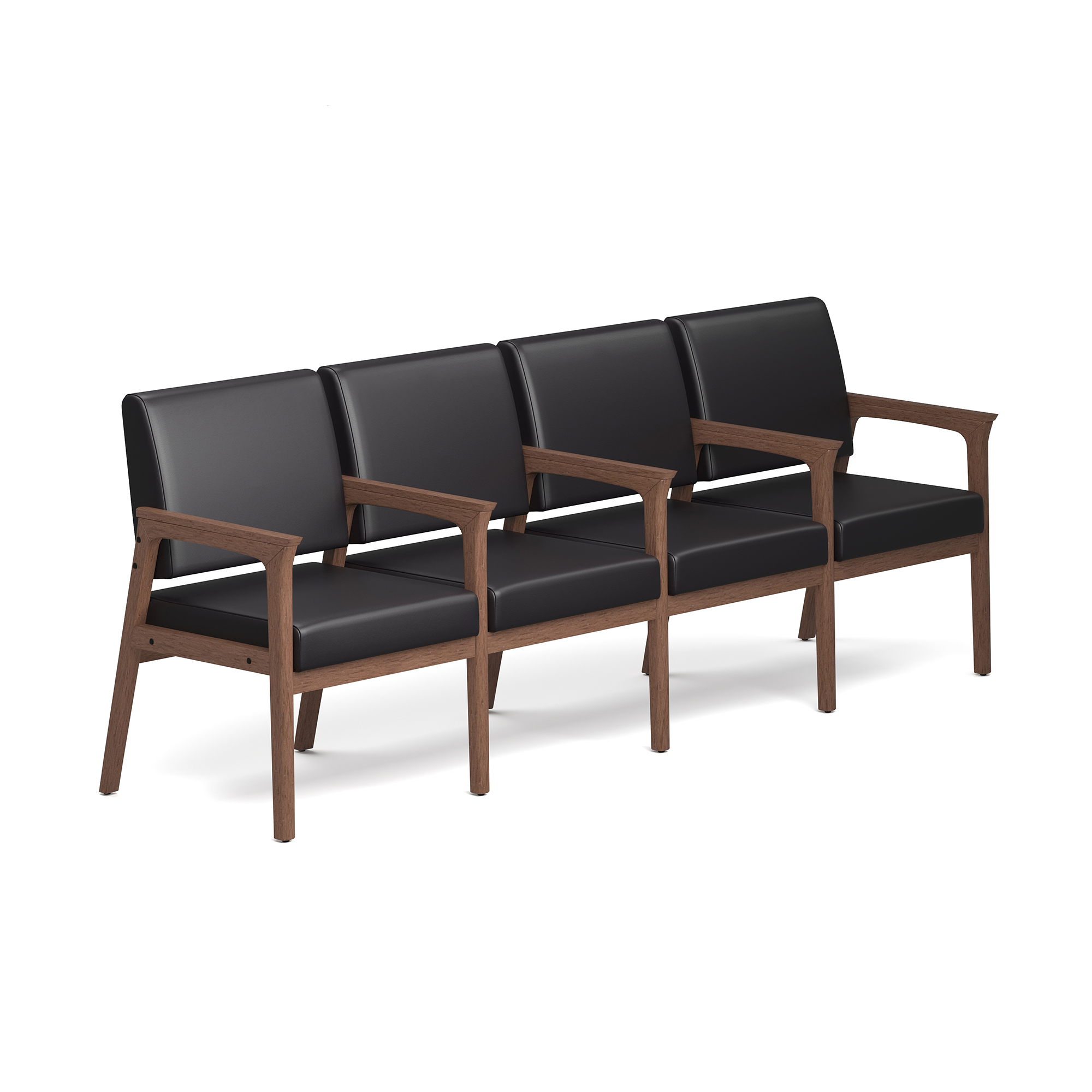
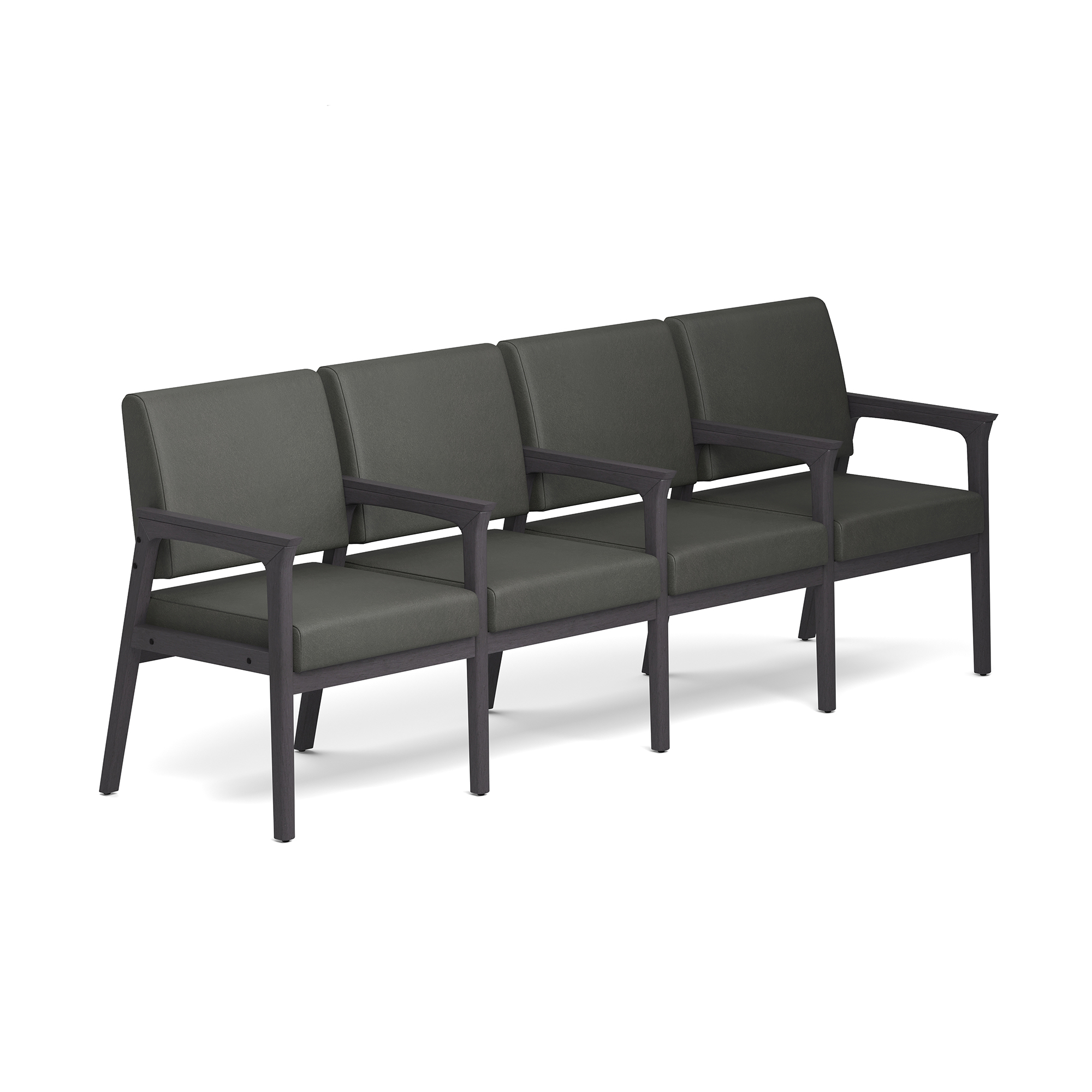
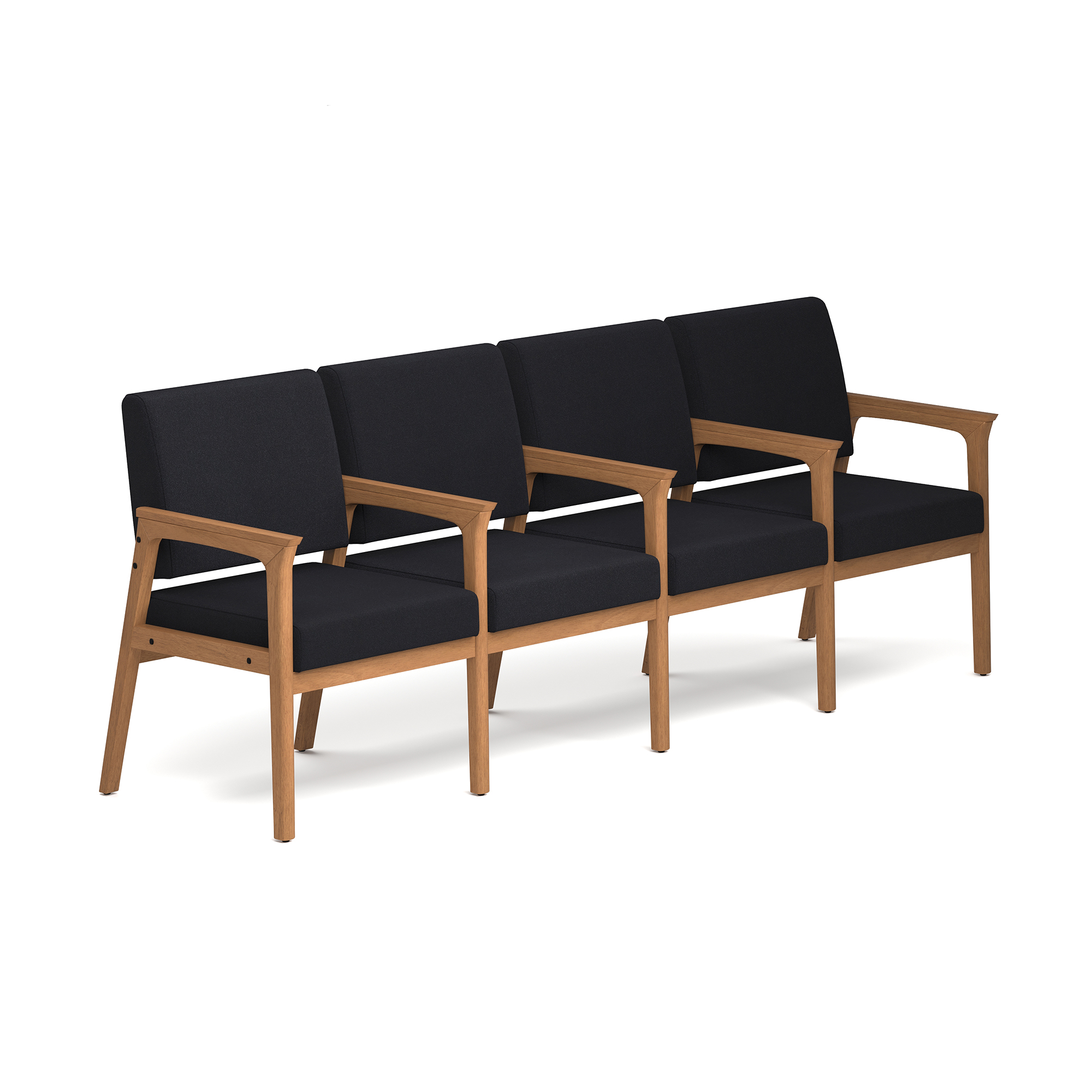
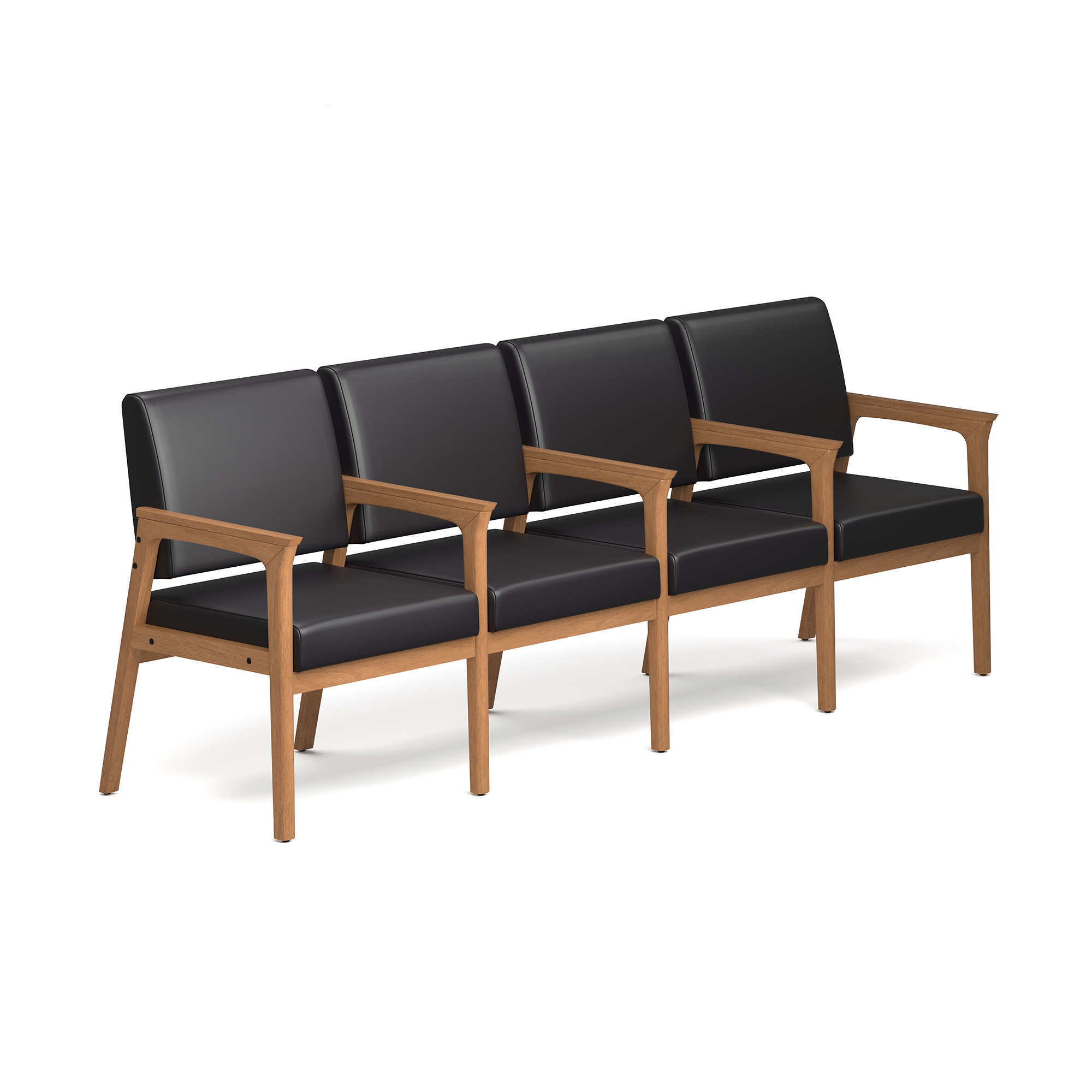
When comparing the OfficeSource Aiden 2-Seater with Half Arm and the OfficeSource Aiden 4-Seater with Full Arm, the biggest difference is space and presence. The 2-seater is usually the better fit for smaller reception areas, private offices, or compact waiting spaces where flexibility matters and visual clutter needs to stay low. Its half arm design can make placement easier near walls or tight layouts, and it often feels less bulky. By contrast, the 4-seater with full arm is built for higher guest volume, larger lobbies, and spaces that need a more polished, lounge-like look. Full arms can also create a stronger sense of separation between seats, which some visitors appreciate.
If traffic flow is steady, the larger unit may improve comfort by reducing the sense of crowding. If traffic is lighter, the smaller unit may be the smarter spend. In short, choose based on room size, visitor volume, and the reception experience you want to create.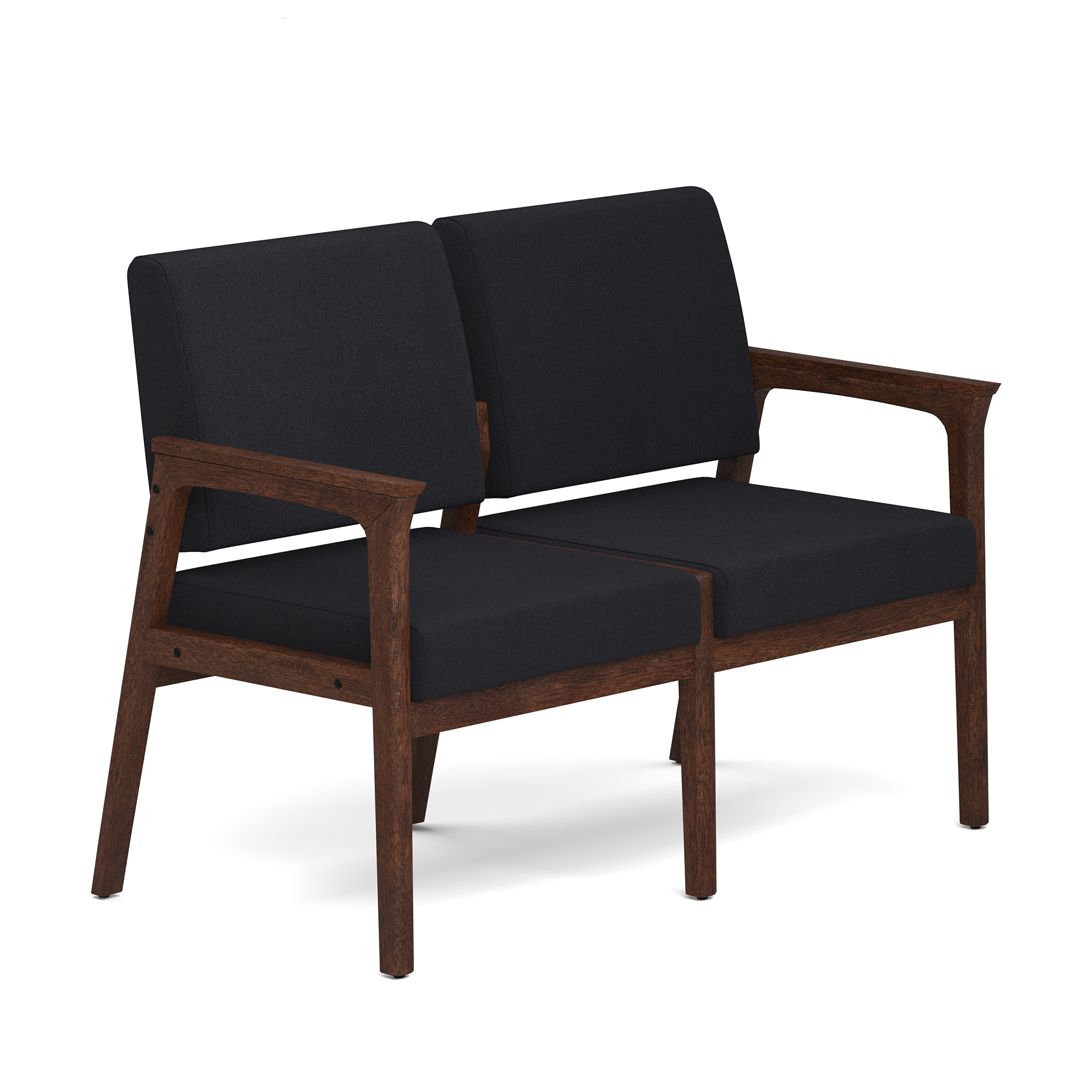
How to Choose Guest Seating Without Guessing
Start by measuring the reception or waiting area and mapping clearances for walkways, doors, and nearby desks or tables. Then estimate visitor traffic—daily walk-ins, scheduled guests, or occasional drop-ins—so you know whether a 2-seater, 4-seater, or mixed setup makes sense. Next, decide which arm style fits the room best: half arm for a lighter footprint or full arm for a more substantial look.
After that, check durability details such as frame construction, padding, upholstery, and easy-clean surfaces. Finally, place the seating so it supports flow and doesn’t block storage or entry points. One practical tip from experience: test the layout with painter’s tape before buying. It’s amazing how different a room can feel once the footprint is on the floor. A chair that looks perfect online can feel cramped in real life, and that’s a mistake nobody wants. So ask yourself: is this seating solving a real problem, or just filling a blank corner? The best office furniture choice is the one that matches real use, not just the catalog photo. If you want to compare more seating approaches, Aiden planning insights can help you avoid guesswork and choose with a little more confidence.Conclusion
Guest seating is not just a decorative extra; it is a functional part of office furniture that affects how people experience your space. The right choice depends on room size, visitor traffic, comfort expectations, and the look you want your reception to project. Premium options can absolutely be worth it, but only when the features actually support day-to-day use. The payoff shows up in better first impressions, smoother traffic flow, less maintenance stress, and longer furniture life. Offices in Indianapolis, Indiana and beyond often need flexible furniture choices that balance seating, desks, chairs, tables, and storage in one cohesive plan. If your current reception seating feels cramped, dated, or uncomfortable, now is a good time to upgrade to something that works harder for the space. A better fit usually makes the whole office feel sharper and more welcoming. Explore the guest seating category and find a setup that supports your space, your budget, and the people walking through the door every day.
Frequently Asked Questions
Common questions about Guest Seating