Which Task Work Chair Fits Your Office Best: Mesh vs. Fabric, Comfort vs. Value?
A task work chair can quietly make—or break—a workday, especially in busy office furniture environments where people sit for hours. In my experience, teams usually obsess over desks, tables, and storage first, then realize seating is what employees actually feel every day. I once helped a small office in Indianapolis, Indiana swap chairs, and posture, focus, and complaints improved almost immediately. This guide keeps it practical: comfort, value, and a smart fit without overpaying. Premium options are nice, but they’re not always worth it for every seat.
What a Good Task Work Chair Actually Needs to Do
A task work chair has one job, really: support daily work without getting in the way. That means it should adapt to different users, stay comfortable through long stretches, and hold up to repeated use. The basics matter most—lumbar support, seat height adjustment, armrests, a swivel base, rolling casters, and a backrest shape that follows the spine instead of fighting it.
Materials change the feel, too. Mesh usually brings airflow and a lighter look, fabric adds softness, and foam cushions can feel more familiar in standard offices. If you’re shopping for task seating in a broader office setup, that airflow detail matters more than people think, especially in warmer rooms or shared spaces. A chair doesn’t need every bell and whistle to be effective. In most offices, the best value comes from solid ergonomics, durable construction, and a design that fits the actual workflow. That’s the sweet spot I usually look for when planning office furniture around desks, reception areas, and storage. If the chair supports the body and the budget, it’s doing its job.Why Ergonomics and Adjustability Pay Off Every Single Day
Ergonomic design pays off in very ordinary ways—less fatigue, better posture, and fewer of those mid-afternoon slumps where nobody wants to answer email. Adjustability is what makes one chair work for multiple people in shared workstations, hot-desking setups, and growing teams. Seat depth, synchro-tilt, tension control, and height range all sound technical, but they’re basically there to help the chair move with the user instead of locking them into one posture.
Here’s the real-world part: a chair that fits a 5'4" user and a 6'1" user is far more useful than one fixed design, especially when staff rotate or hybrid workers bounce in and out. In my experience, that flexibility saves more money than it costs, because fewer people end up asking for “just one more chair.” The comfort and value framework in this task chair guide is helpful if you’re trying to compare options by usage pattern. That said, premium ergonomic features are great, but they’re not always necessary for short-duration seating or tight budgets. For a conference spillover area or a light-duty admin station, you may not need the full race-car seat of office chairs. A well-made, midrange task work chair often hits the practical balance better than an expensive model with features nobody uses.How Mesh and Fabric Chairs Change the Day-to-Day Experience
Mesh and fabric task work chairs change the day-to-day feel in pretty noticeable ways. Mesh backs usually breathe better, so they feel cooler and more responsive—nice for busy office environments, mixed-temperature rooms, and anyone who runs warm. Fabric seats, on the other hand, tend to feel softer and a little more cushioned, which many people still prefer for a traditional office look.
From a maintenance angle, mesh can be easy to wipe down and visually light, while fabric often brings a warmer, more grounded feel to the space. Trend-wise, a lot of companies are leaning toward lighter, breathable seating because employees now expect more comfort from office furniture than they did a few years ago. That’s not just a style shift; it’s a user-experience shift. In my experience, people sometimes pick the chair that looks best online, then discover the real question is how it feels after two afternoons of spreadsheet work. That’s why I always tell buyers to think beyond the product photo and consider the space, the climate, and the workload. The task chair selection principles in this office seating article line up well with that approach. If you’re browsing chair styles for a growing office, the best choice is usually the one that matches how the room is actually used.Where Task Work Chairs Fit Best in Real Offices
Task work chairs show up everywhere once you start looking closely. They work in private offices, open-plan workstations, conference overflow areas, home offices, admin stations, and reception support spaces. A breathable mesh chair often makes sense for high-use employee seating, while a fabric task chair can look better in visitor-facing workspaces. In tighter layouts, compact chairs with a smaller footprint help keep circulation clear.
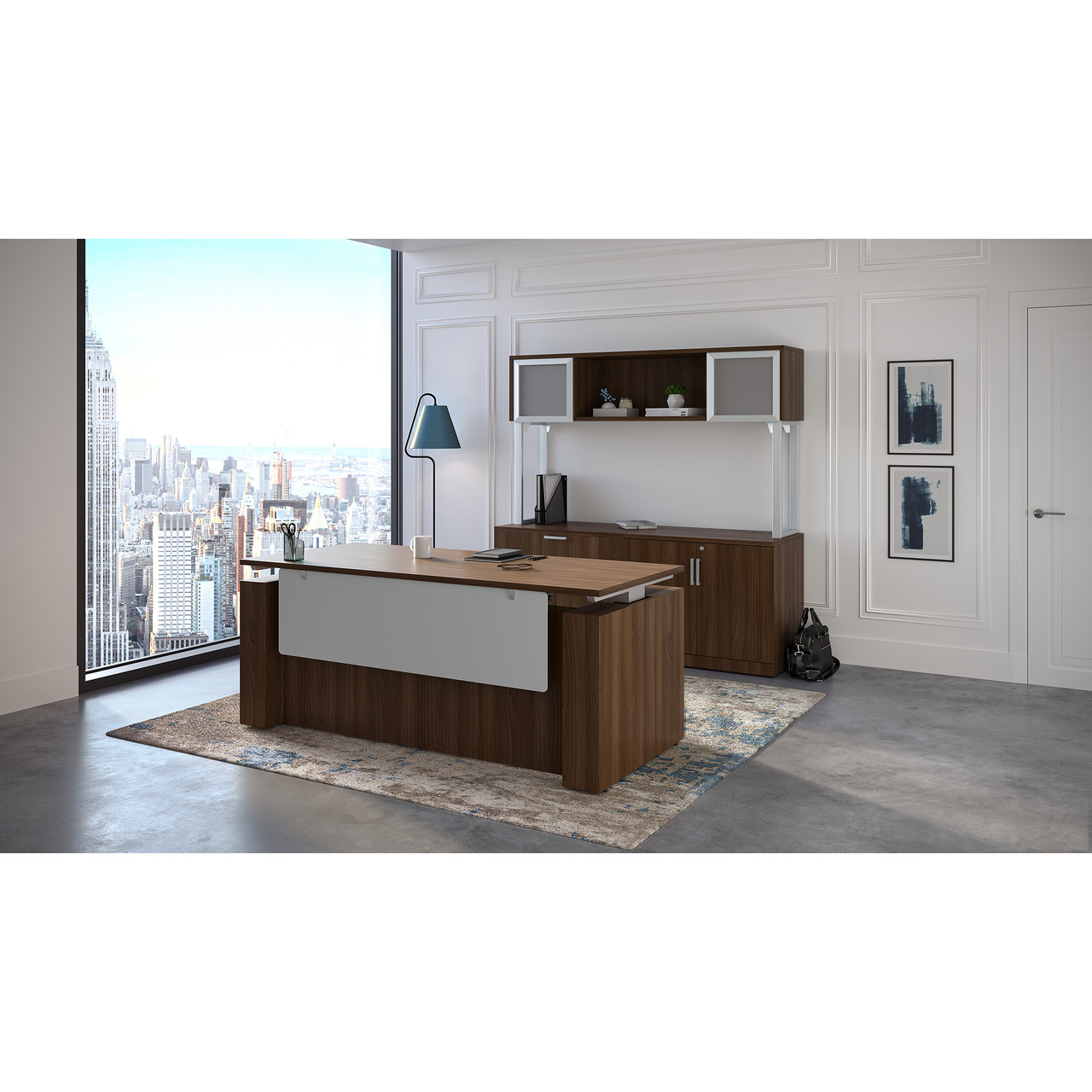
Office furniture planning also has to account for desks, tables, seating flow, and storage clearance—not just the chair itself. I’ve seen good chairs become annoying because armrests hit a desk apron, or because the seat pan was too shallow for taller users. If the chair feels too tall, lower the seat first; if armrests interfere, measure the desk clearance; if the seat pan is short, look for deeper seating or an adjustable slider. A quick note for seasonal climates: if the office is in Indianapolis, Indiana—or anywhere with hot summers and cool winters—breathable seating can make summer comfort noticeably better. So yes, think through the whole environment before buying. It usually saves time, money, and a few complaints later.OfficeSource CoolMesh Synchro vs. CoolMesh Basic: Which One Fits Your Team?
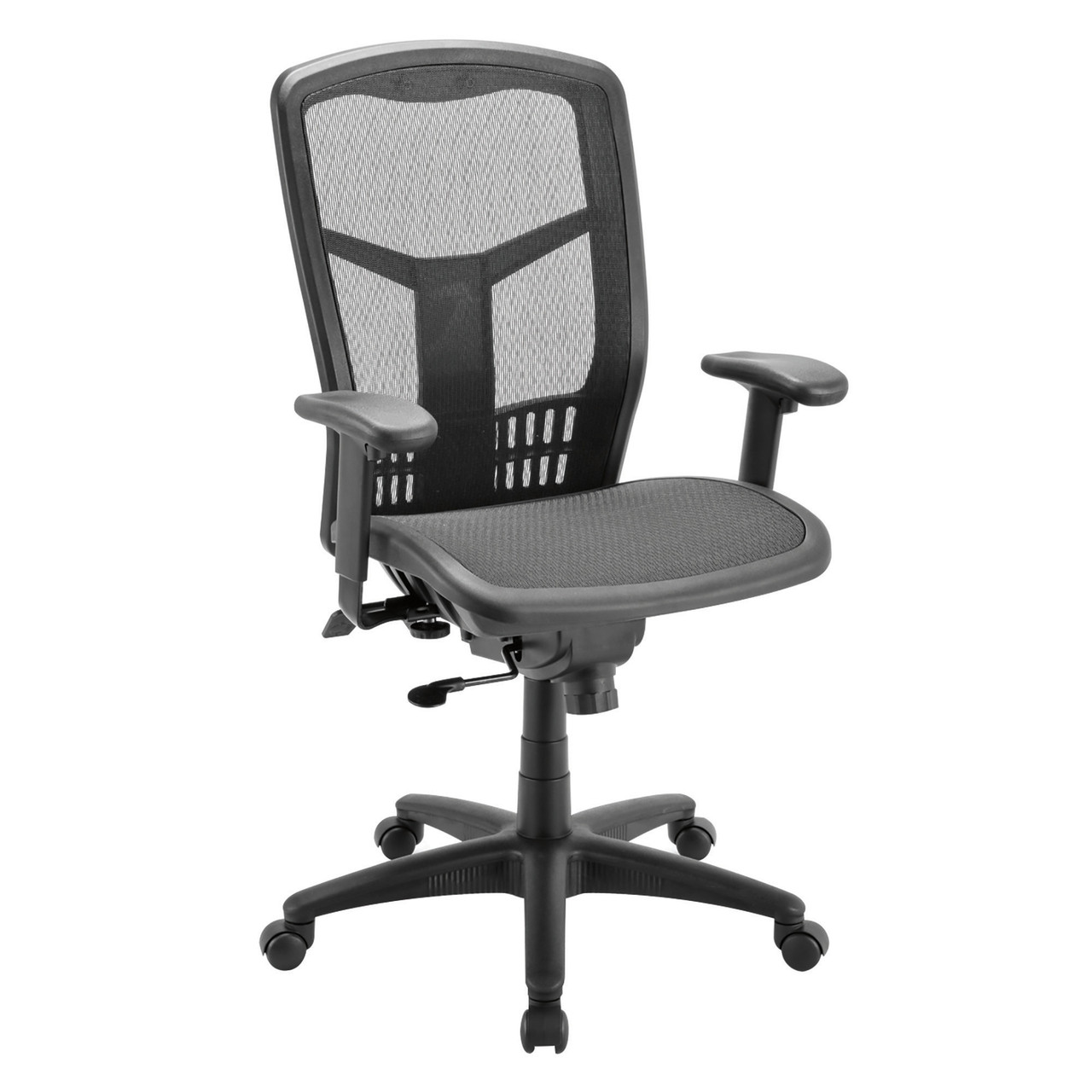
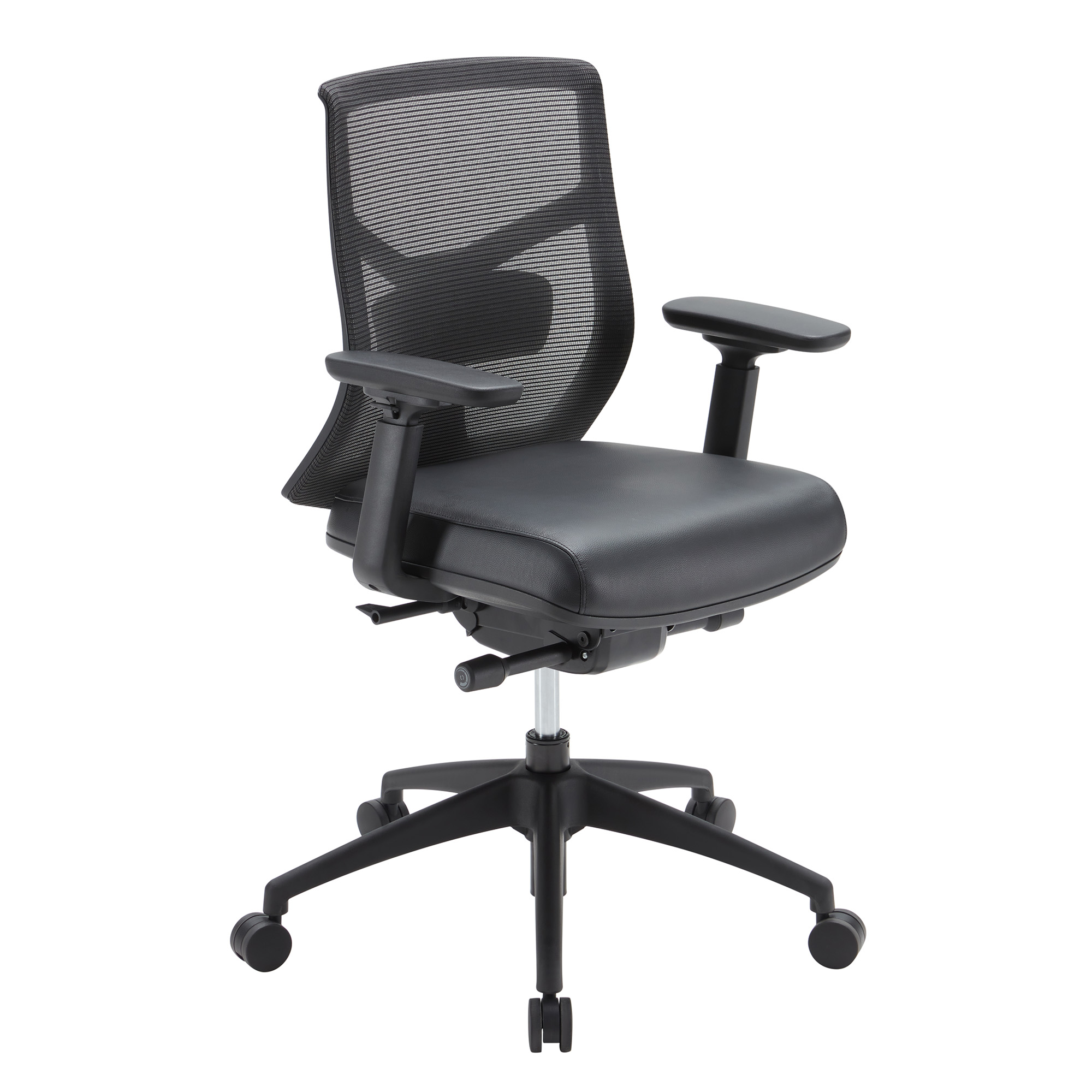
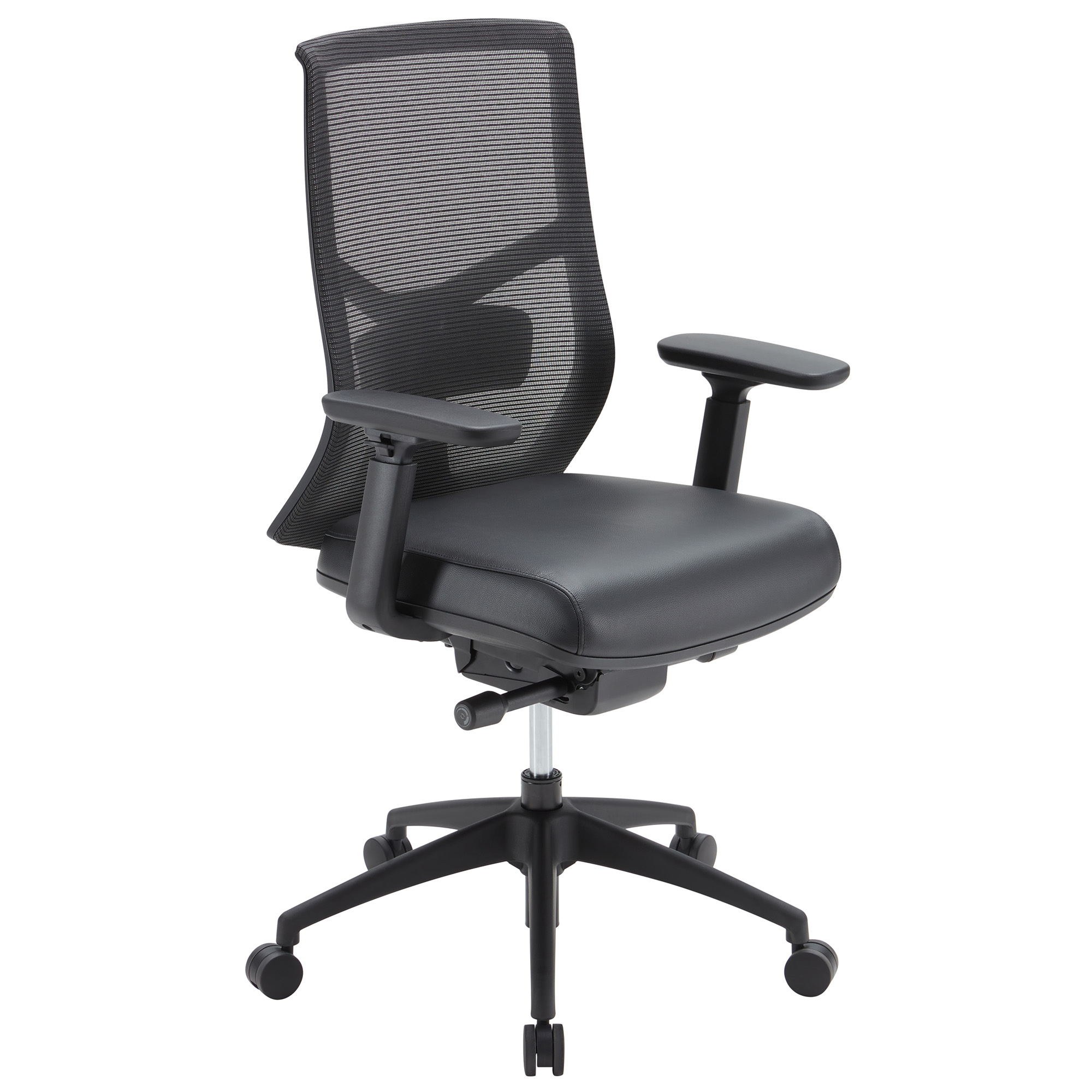
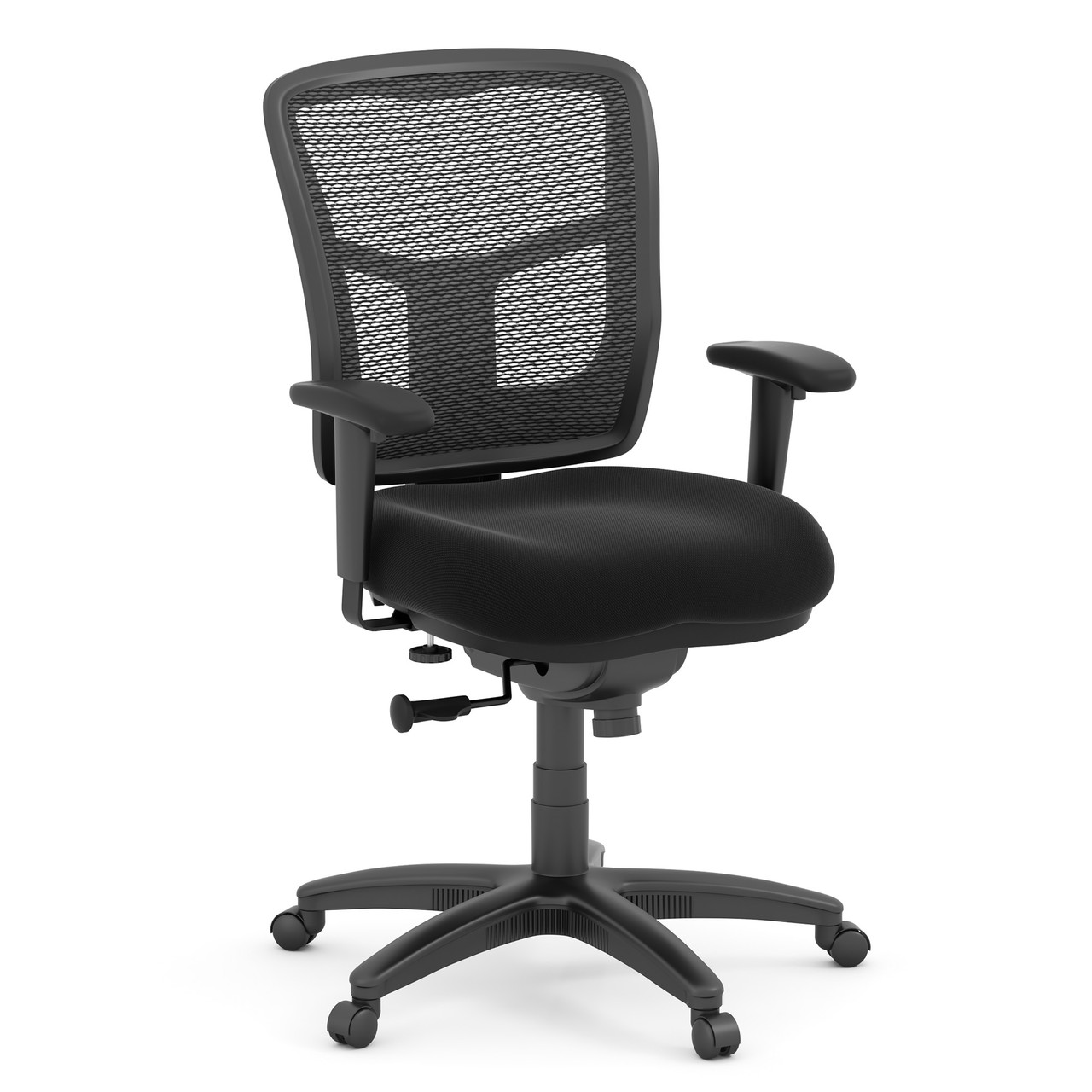
If you’re comparing the OfficeSource CoolMesh Synchro with the OfficeSource CoolMesh Basic, the difference is pretty practical. The CoolMesh Synchro is the stronger ergonomic pick thanks to its high back mesh design, synchro-tilt motion, and seat slider, which together support longer work sessions and a more customized fit. It’s the chair I’d lean toward for daily desk work, especially when users sit for most of the day. The CoolMesh Basic is simpler and more budget-friendly, with a fabric seat that makes sense for shorter-duration seating, lighter use, training rooms, or mixed-use office areas. On a budget, that matters. Both are useful; they just serve different workloads. If your team needs more adjustability, go Synchro. If comfort and cost need to stay balanced, the Basic is often the smarter move. The right pick depends on budget, workload, and how many chairs the office needs.
How to Choose the Right Task Work Chair Without Guessing
Start with the space. Measure desk height and available clearance so the task work chair fits without crowding the workspace. Then think about usage: light task work, all-day work, or shared seating? That answer changes everything.
Next, match the material to the environment. Mesh is usually better for airflow; fabric gives a softer feel. After that, check the adjustability list—seat height, tilt, armrests, and lumbar support. Those features don’t just sound nice; they change how the chair fits the body. If possible, test the chair for at least 10–15 minutes, not just a quick spin. That’s long enough to notice pressure points and posture issues. Finally, compare durability and warranty details before buying. Don’t overspend on features nobody will use, but don’t cut corners on support if the chair will be used all day. Office furniture buyers often forget future needs—growing teams, new desks, layout changes—and a flexible chair usually handles those shifts better.Conclusion
At the end of the day, the best task work chair is the one that balances comfort, durability, and value for the job it actually needs to do. Mesh vs. fabric, advanced ergonomics vs. a simpler build, premium features vs. practical savings—it all comes down to usage. There isn’t a single right answer, and honestly, that’s a good thing. In my experience, the smartest purchases are the ones that match real work patterns instead of chasing the fanciest spec sheet. Good seating supports better focus, fewer distractions, and a more polished office environment overall. It also helps the whole room feel more intentional, which matters more than people think. Before you buy, take one more look at the full setup—chairs, desks, tables, reception, and storage—so the chair fits the bigger picture, not just the budget line. If you’re ready to narrow it down, explore the right task work chair options for your office and choose the model that supports both your people and your budget.
Frequently Asked Questions
Common questions about Task & Work Chairs